15. Steroid Chemistry: Structure, Biosynthesis, and Functions
The study of polycyclic lipids forms the absolute bedrock of modern biochemistry, bridging the vast gap between molecular structure and systemic physiology. This article serves as the gateway into the intricate world of Steroid Chemistry, a discipline that explores the distinct molecules responsible for defining organismal development, energy metabolism, and cellular survival. While popular culture often reduces these molecules to simplistic performance-enhancing drugs, their true biological scope is profoundly more complex, elegant, and essential for sustaining life.
For medical and biological sciences students, developing a robust foundation in Steroid Chemistry is absolutely critical. This foundational knowledge translates directly into practical clinical understanding, helping medical practitioners analyze everything from systemic inflammatory responses to reproductive health. The presentation analyzed below sets the stage to explore these physiological dynamics in rigorous detail. By dissecting the biochemical architecture presented in this slide deck, learners will begin to appreciate how nature utilizes a unified structural theme to achieve immense functional diversity across multiple biological kingdoms.
Slide 1: Introduction to Steroid Chemistry
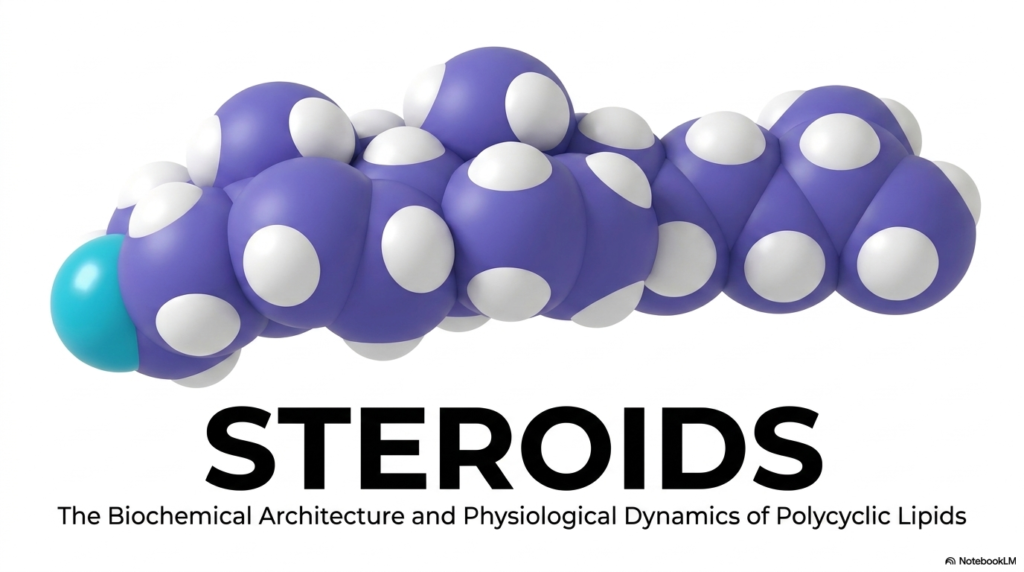
The realm of Steroid Chemistry is vast and dictates much of the biological world. The first slide introduces polycyclic lipids, which are the fundamental biochemical architectures driving physiological dynamics in living organisms. By exploring this deck, the observer embarks on a journey through the foundational principles of these indispensable molecules. Steroid Chemistry is not merely about muscle-building compounds; it represents a diverse class of organic molecules that orchestrate cellular life.
Understanding these physiological dynamics requires a deep dive into lipid architecture. The presentation sets the stage for a comprehensive analysis of how these specific structures govern biology. For medical and college students, mastering Steroid Chemistry provides the key to unlocking advanced topics in endocrinology, pharmacology, and cellular biology. Every biological concept moving forward relies on this molecular foundation.
As the presentation unfolds, it precisely guides the audience through the molecular mechanisms that govern lipid dynamics. By dissecting the biochemical architecture presented on this introductory slide, learners begin to appreciate how nature utilizes a unified structural theme. This exploration of Steroid Chemistry will transition from basic molecular scaffolding to complex physiological signaling, offering a comprehensive overview of how polycyclic lipids sustain eukaryotic life.
Slide 2: The Gonane Core Scaffold in Steroid Chemistry
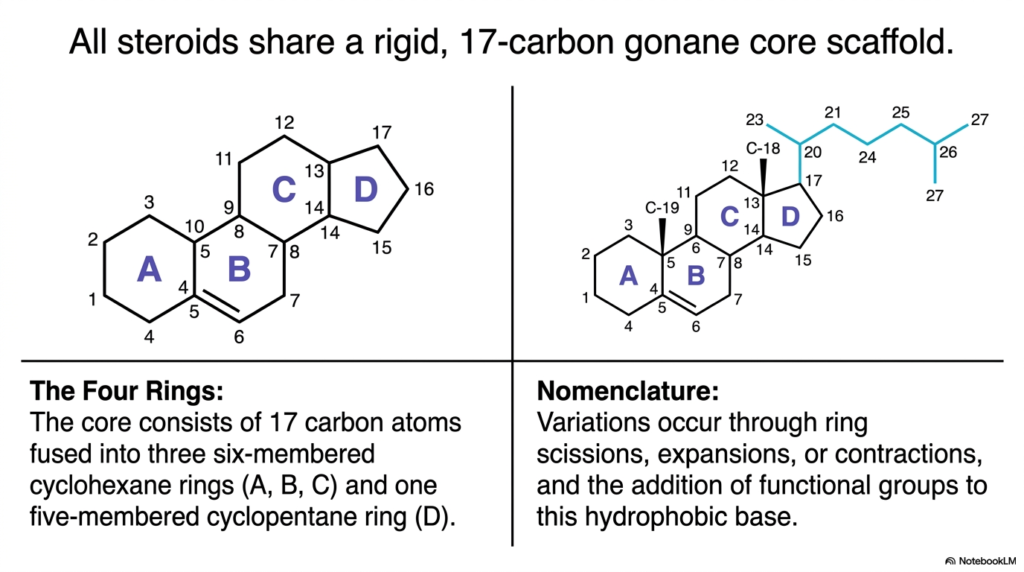
At the absolute center of Steroid Chemistry lies the rigid, 17-carbon gonane core scaffold. This foundational structure is the unifying molecular blueprint shared by all steroids, consisting of three six-membered cyclohexane rings fused with a single five-membered cyclopentane ring. These rings are designated A, B, C, and D, and their specific arrangement creates a highly stable, hydrophobic base. The integrity of this core allows these molecules to interact predictably with cellular membranes.
The nomenclature and numbering system of this four-ring framework are essential components of Steroid Chemistry. The specific numbering of the 17 carbons provides a universal map for biochemists to identify exactly where functional groups are attached. Variations in these molecules occur through intricate processes like ring scissions, expansions, or contractions. Furthermore, the addition of various functional groups to this hydrophobic gonane base dictates the final biological role of the molecule.
Mastering the structure of the gonane core is a rite of passage for students studying Steroid Chemistry. Whether the body is synthesizing cholesterol, bile acids, or sex hormones, the journey always begins with this rigid scaffold. Understanding how side chains and methyl groups attach to specific carbon positions allows researchers to predict the physiological behavior of the resulting molecule, making this core a true marvel of biochemical design.
Slide 3: 3D Conformations and Stereochemistry in Steroid Chemistry
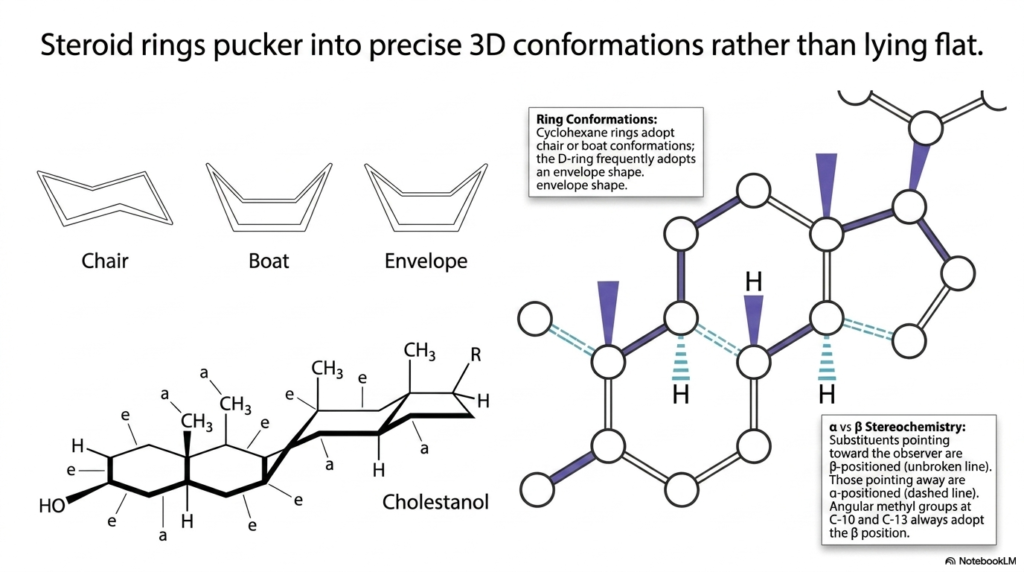
A critical realization in Steroid Chemistry is that these molecular rings do not lie flat. Instead, they pucker into precise three-dimensional conformations to minimize steric strain and maximize stability. Cyclohexane rings typically adopt chair or boat conformations, while the five-membered D-ring frequently assumes an envelope shape. These precise topological arrangements dictate how the molecule will physically fit into the binding pockets of highly specific receptor proteins across the human body.
Stereochemistry adds another layer of profound complexity to Steroid Chemistry. The three-dimensional orientation of substituents attached to the rings is denoted as either alpha or beta. Substituents pointing toward the observer are in the beta-position, represented by an unbroken line. Conversely, those pointing away are in the alpha-position, indicated by a dashed line. This spatial orientation ensures angular methyl groups located at C-10 and C-13 invariably adopt the beta position.
Grasping these three-dimensional spatial rules is a cornerstone of advanced Steroid Chemistry. A single shift from an alpha to a beta orientation can completely abolish a hormone’s biological activity or transform a harmless molecule into a potent toxin. For medical students, understanding these conformations illuminates why certain pharmacological drugs bind effectively to cellular receptors while others fail entirely, bridging physical chemistry and pharmacology.
Slide 4: Cholesterol as the Benchmark of Steroid Chemistry
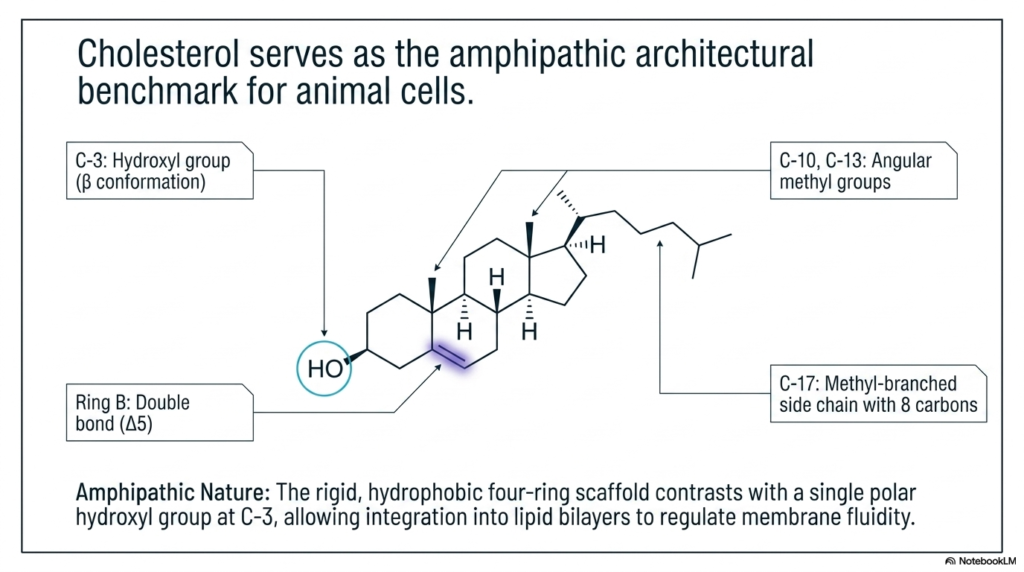
Cholesterol serves as the quintessential amphipathic architectural benchmark for all animal cells, making it a central focus of Steroid Chemistry. While often unfairly maligned in popular health culture, this 27-carbon molecule is an absolute biological necessity. Its structure features a rigid, hydrophobic four-ring scaffold paired with a single polar hydroxyl group at the C-3 position in the beta conformation. This unique dual nature allows cholesterol to integrate seamlessly into phospholipid bilayers.
The specific anatomical features of cholesterol highlight the absolute precision of Steroid Chemistry. It possesses angular methyl groups at C-10 and C-13, a defining double bond in ring B at the delta-5 position, and a distinct methyl-branched side chain containing eight carbons at C-17. This exact structural configuration provides the ideal physical dimensions to intercalate between the fatty acid tails of membrane phospholipids, demonstrating a perfect marriage of form and biological function.
The amphipathic nature of this molecule represents a brilliant evolutionary adaptation studied extensively in Steroid Chemistry. By wedging its rigid ring structure into the cell membrane, cholesterol prevents hydrocarbon chains from packing too closely together, thereby regulating membrane fluidity across varying temperatures. This essential biomechanical role ensures eukaryotic cell membranes maintain their structural integrity while remaining dynamic enough to facilitate cellular transport.
Slide 5: Kingdom-Specific Boundaries in Steroid Chemistry
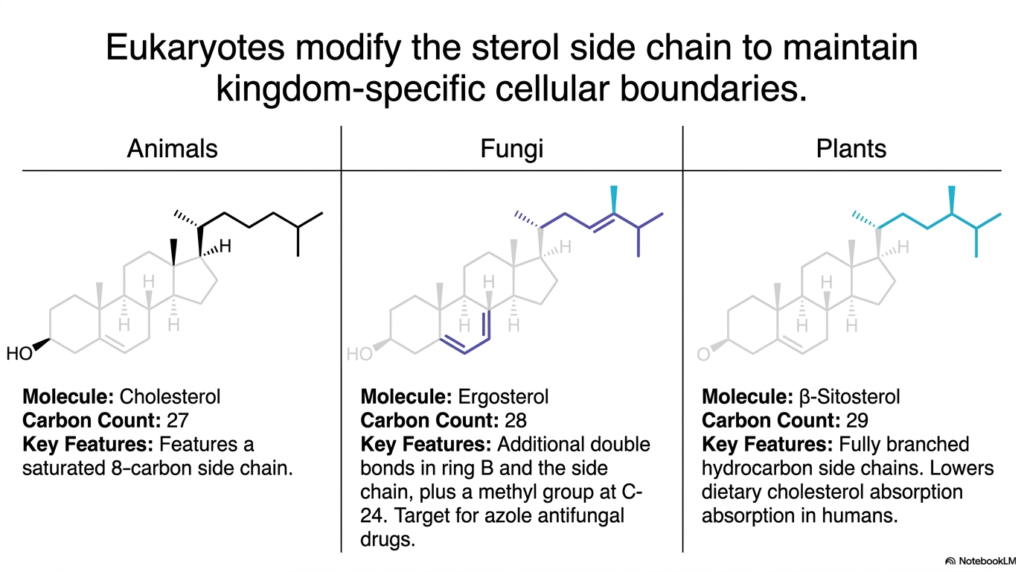
Eukaryotes across different kingdoms modify the fundamental sterol side chain to maintain kingdom-specific cellular boundaries, an evolutionary phenomenon central to Steroid Chemistry. While animals rely exclusively on the 27-carbon cholesterol with its saturated eight-carbon side chain, fungi and plants have evolved divergent molecular strategies. These kingdom-specific modifications ensure that the cell membranes of different organisms possess the precise fluidity required for their unique environmental survival.
In the fungal kingdom, Steroid Chemistry focuses heavily on a molecule known as ergosterol. This 28-carbon structure features an additional double bond in ring B and within the side chain, along with an extra methyl group at C-24. Because fungi utilize ergosterol instead of cholesterol, this structural variance provides a perfect pharmacological target. Modern azole antifungal drugs specifically inhibit ergosterol synthesis, fatally disrupting fungal cell membranes while leaving human pathways unharmed.
The plant kingdom offers yet another fascinating branch of Steroid Chemistry with the synthesis of beta-sitosterol. This 29-carbon structure features a fully branched hydrocarbon side chain. Interestingly, when humans consume plant sterols, these bulky molecules compete directly with dietary cholesterol in the digestive tract, actively lowering cholesterol absorption. This botanical variation showcases how minor structural differences across kingdoms can be harnessed for human cardiovascular benefits.
Slide 6: Carbon Count Classification in Steroid Chemistry
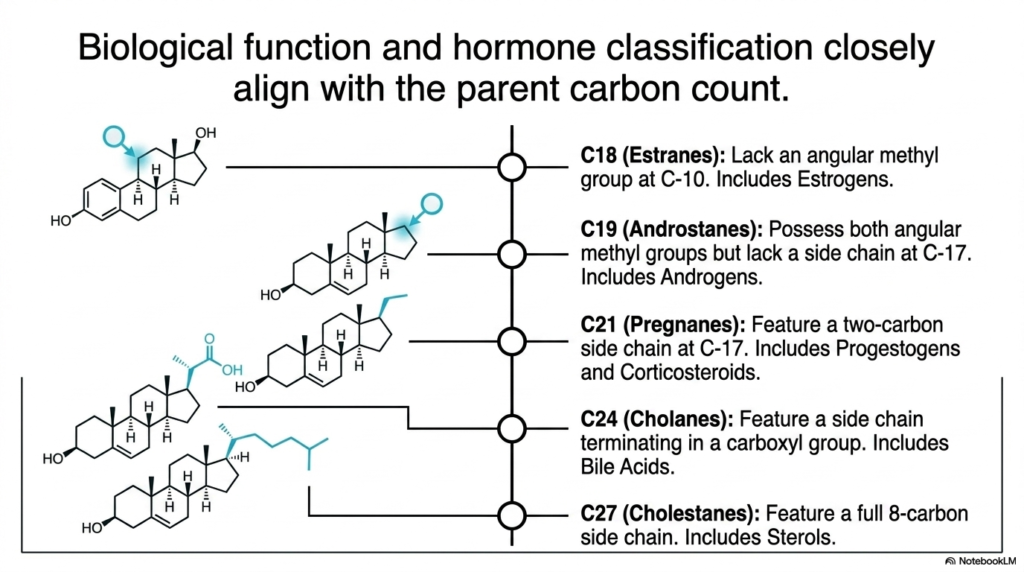
Biological function and hormone classification closely align with the parent carbon count, creating a highly logical taxonomy within the field of Steroid Chemistry. By simply counting the carbon atoms, biochemists can accurately predict the physiological role of a given molecule. The smallest functional class, the C18 estranes, lack an angular methyl group at C-10 and encompass the estrogens, which are the primary female sex hormones driving reproductive cycles.
Moving up the structural ladder, Steroid Chemistry categorizes the important C19 androstanes. These molecules, which include potent androgens like testosterone, possess both angular methyl groups but entirely lack a side chain at C-17. Adding a two-carbon side chain at C-17 yields the C21 pregnanes, a vital class containing pregnancy-maintaining progestogens and immune-regulating corticosteroids. This predictable step-wise addition of carbon structures beautifully illustrates the organized nature of lipid biosynthesis.
The larger molecules complete this carbon-based classification system in Steroid Chemistry. The C24 cholanes feature a distinctive side chain terminating in a highly polar carboxyl group, perfectly tailoring them to serve as bile acids for digestion. Finally, the C27 cholestanes feature a full eight-carbon side chain, representing foundational structural sterols like cholesterol. This structural hierarchy provides medical students with a robust framework for memorizing complex biological lipids.
Slide 7: Emulsification and Bile Acids in Steroid Chemistry
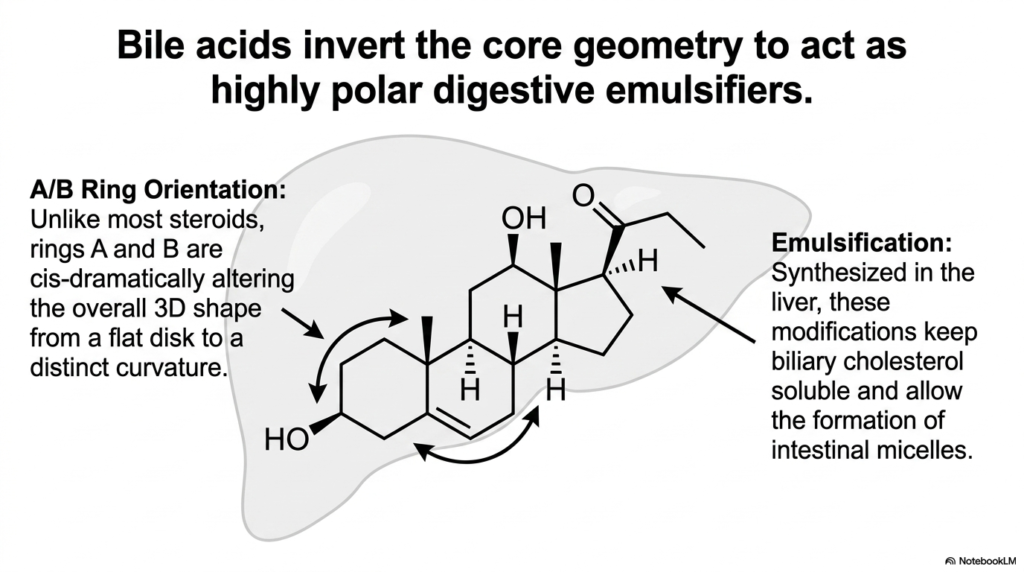
Bile acids present a fascinating topological inversion that stands as a highly unique chapter in the study of Steroid Chemistry. Unlike most typical hormones that maintain a relatively flat, disc-like architecture, bile acids invert their core geometry to act as highly polar digestive emulsifiers. This radical shift occurs because rings A and B adopt a cis-orientation, dramatically altering the overall three-dimensional shape of the molecule into a distinct, cup-like curvature.
This distinct biological curvature is a masterclass in applied Steroid Chemistry. Synthesized primarily within the human liver, these profound structural modifications transform highly hydrophobic biliary cholesterol into a water-soluble molecule. The concave face of the molecule houses hydrophilic hydroxyl groups, while the convex surface remains hydrophobic. This amphipathic geometry is absolutely crucial for the solubilization and breakdown of dietary fats in the harsh, aqueous digestive tract.
The physiological impact of this specific Steroid Chemistry mechanism cannot be overstated in medical science. By maintaining biliary cholesterol in a soluble state, these cis-oriented molecules actively prevent the dangerous formation of gallstones. Furthermore, they allow the formation of intestinal micelles, which encapsulate dietary lipids and fat-soluble vitamins, facilitating their direct absorption into the bloodstream. This slide highlights how subtle geometric alterations dictate complex digestive physiology.
Slide 8: Lipophilic Signaling Hormones in Steroid Chemistry
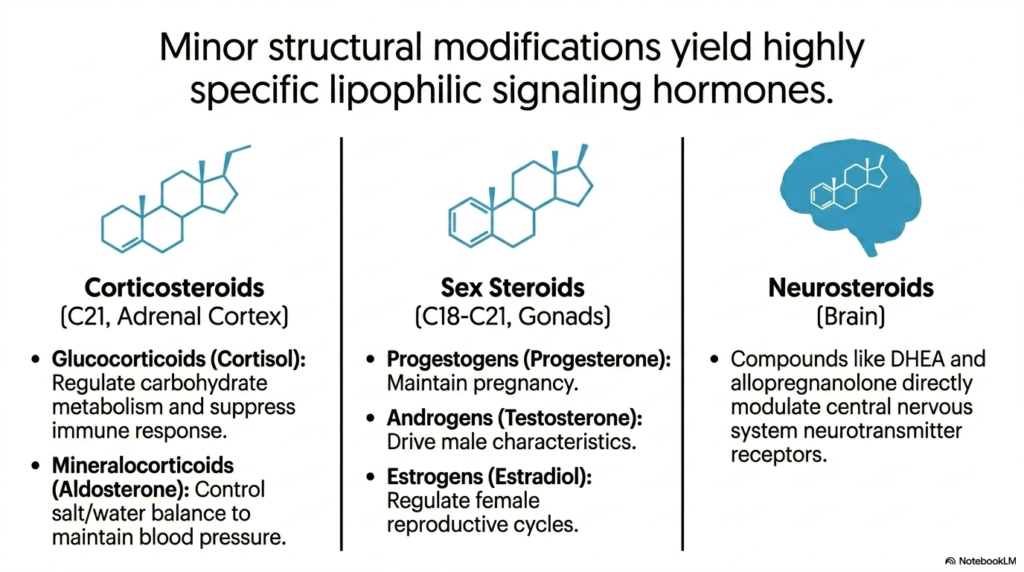
The sheer communicative power of Steroid Chemistry is demonstrated by how minor structural modifications yield highly specific, potent lipophilic signaling hormones. The adrenal cortex utilizes the C21 framework to produce critical corticosteroids like cortisol and aldosterone. Cortisol acts systemically to regulate carbohydrate metabolism and actively suppress the immune response during times of stress, while aldosterone acts as a mineralocorticoid to control salt and water balance to maintain human blood pressure.
Gonadal tissues leverage an entirely different branch of Steroid Chemistry to produce sex steroids ranging from C18 to C21. Progestogens like progesterone are heavily tasked with preparing for and maintaining pregnancy. Androgens, such as testosterone, are responsible for driving primary and secondary male characteristics. Meanwhile, estrogens like estradiol meticulously regulate female reproductive cycles. These hormones travel through the bloodstream, slipping easily through cellular membranes to alter nuclear gene expression.
The central nervous system introduces a highly specialized category of Steroid Chemistry known broadly as neurosteroids. Compounds like dehydroepiandrosterone (DHEA) and allopregnanolone are synthesized directly within brain tissue. Rather than acting as traditional systemic hormones, these specialized lipids directly modulate neurotransmitter receptors, heavily influencing mood, anxiety, and general neuronal excitability. This slide underscores the massive physiological diversity generated from a single ancestral molecular template.
Slide 9: Oxygenation Patterns in Steroid Chemistry
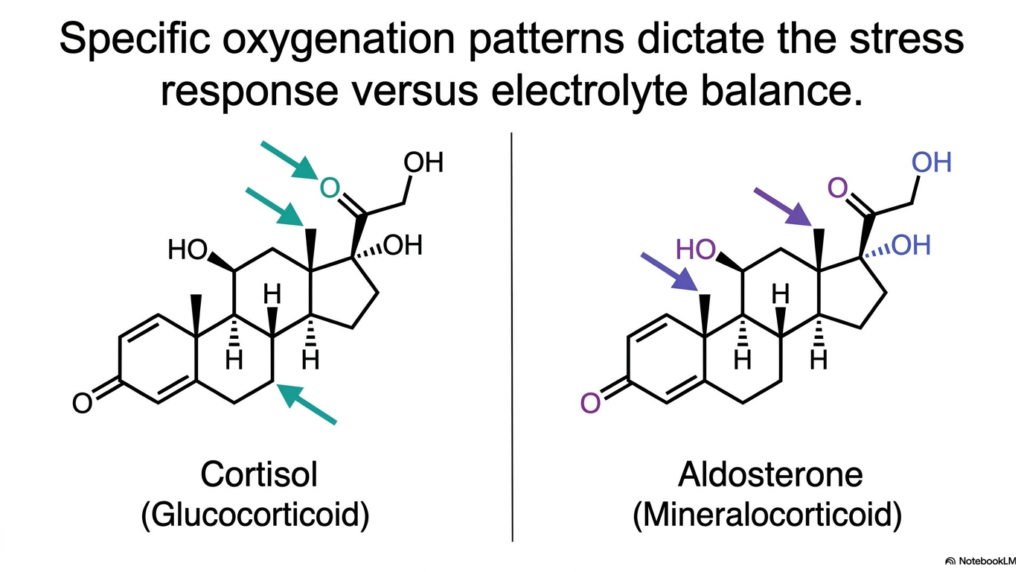
Specific oxygenation patterns strictly dictate the functional divergence between a systemic stress response and crucial electrolyte balance, highlighting the incredible precision of Steroid Chemistry. Even when two hormones share the exact same C21 pregnane carbon backbone, the strategic placement of oxygen atoms completely alters their biological mandate. The subtle enzymatic addition of hydroxyl or ketone groups acts as a molecular barcode, directing these hormones to vastly different receptors.
A prime example of this nuanced Steroid Chemistry is found by directly comparing cortisol and aldosterone. Cortisol, the primary glucocorticoid, is heavily oxygenated with multiple hydroxyl groups that allow it to fit perfectly into glucocorticoid receptors. This specific pattern is what signals the body to mobilize glucose and dampen inflammatory pathways during acute physiological stress. Every single oxygen atom is meticulously placed to ensure optimal receptor binding affinity.
In stark contrast, aldosterone showcases a completely different application of Steroid Chemistry. This potent mineralocorticoid features a unique aldehyde group at the C-18 position, which shifts its affinity entirely toward mineralocorticoid receptors located in the kidneys. This single atomic variation allows aldosterone to orchestrate the retention of sodium and the excretion of potassium, thereby regulating total blood volume. This beautifully illustrates how minor atomic substitutions govern massive physiological outcomes.
Slide 10: Aromatization and Estrogen Synthesis in Steroid Chemistry
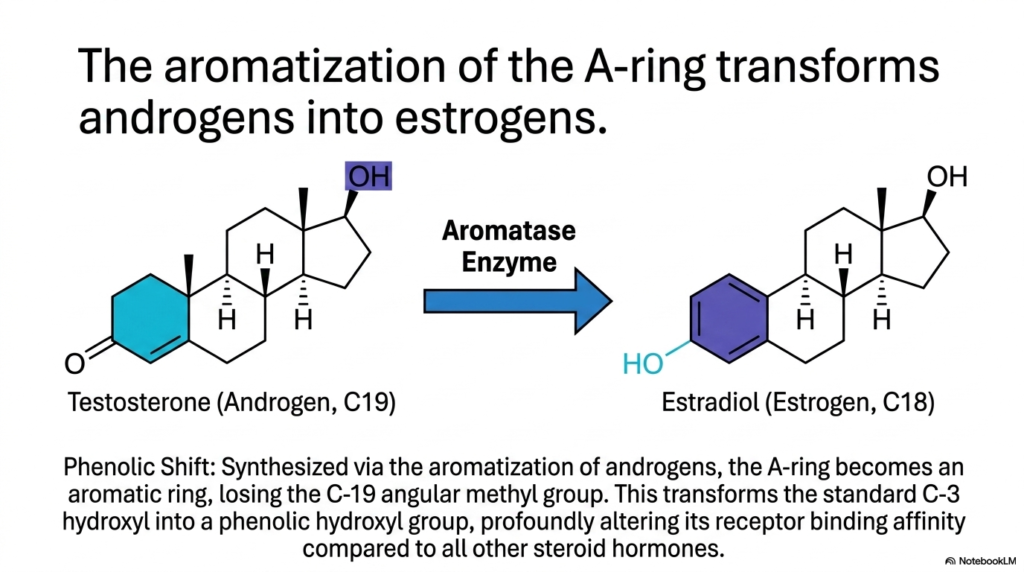
The aromatization of the A-ring represents one of the most chemically dramatic transformations within all of Steroid Chemistry. This sophisticated biological process successfully transforms C19 androgens, such as testosterone, into C18 estrogens, like estradiol. Driven by the highly specialized aromatase enzyme, this reaction permanently alters the fundamental geometry and electronic distribution of the molecule, initiating a profound shift in biological function from male to female reproductive signaling.
This enzymatic marvel heavily relies on a process known as the phenolic shift, a landmark concept in Steroid Chemistry. During aromatization, the A-ring loses its C-19 angular methyl group and fully becomes an unsaturated, aromatic ring. Consequently, the standard hydroxyl group at the C-3 position is miraculously transformed into a phenolic hydroxyl group. This introduces a localized, slightly acidic nature to the molecule that is absent in precursor hormones.
The creation of this flat aromatic ring profoundly alters the receptor binding affinity of the molecule, an essential principle of Steroid Chemistry. Because the A-ring is now planar and electron-rich, estradiol interacts exclusively with estrogen receptors rather than androgen receptors. For medical students, understanding aromatase activity is absolutely crucial, as inhibiting this specific enzyme remains a primary pharmacological strategy in treating hormone-receptor-positive breast cancers.
Slide 11: Broken Rings and Invertebrate Hormones in Steroid Chemistry
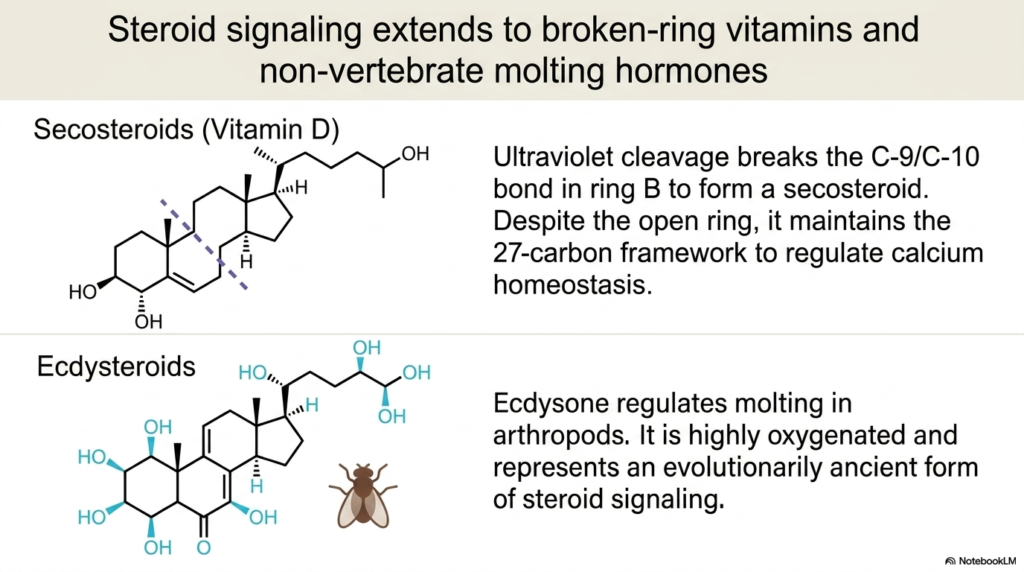
The expansive signaling paradigms of Steroid Chemistry extend far beyond traditional human hormones, encompassing broken-ring vitamins and non-vertebrate molting hormones. Secosteroids, such as Vitamin D, elegantly illustrate what happens when the rigid molecular core is intentionally fractured. Upon exposure to ultraviolet light in the skin, the C-9/C-10 bond within ring B is photochemically cleaved. Despite possessing this open-ring structure, the resulting molecule retains its essential 27-carbon framework.
This photolytic ring cleavage is a brilliantly executed maneuver within Steroid Chemistry. Once enzymatically metabolized into its active form, this unique secosteroid functions precisely like a traditional hormone, regulating massive networks of calcium homeostasis and bone remodeling throughout the human body. The open ring surprisingly grants the molecule unique conformational flexibility, allowing it to easily bind to the Vitamin D receptor and act as a potent nuclear transcription factor.
Expanding the vast evolutionary scope of Steroid Chemistry, ecdysteroids represent an ancient form of lipid signaling found heavily in arthropods. Molecules like ecdysone are highly oxygenated and directly responsible for regulating the complex molting cycles of common insects. The sustained existence of these non-vertebrate hormones proves that this specific molecular framework is a highly conserved, evolutionary masterpiece utilized across diverse phyla to direct biological growth.
Slide 12: Biosynthesis and Cyclization in Steroid Chemistry
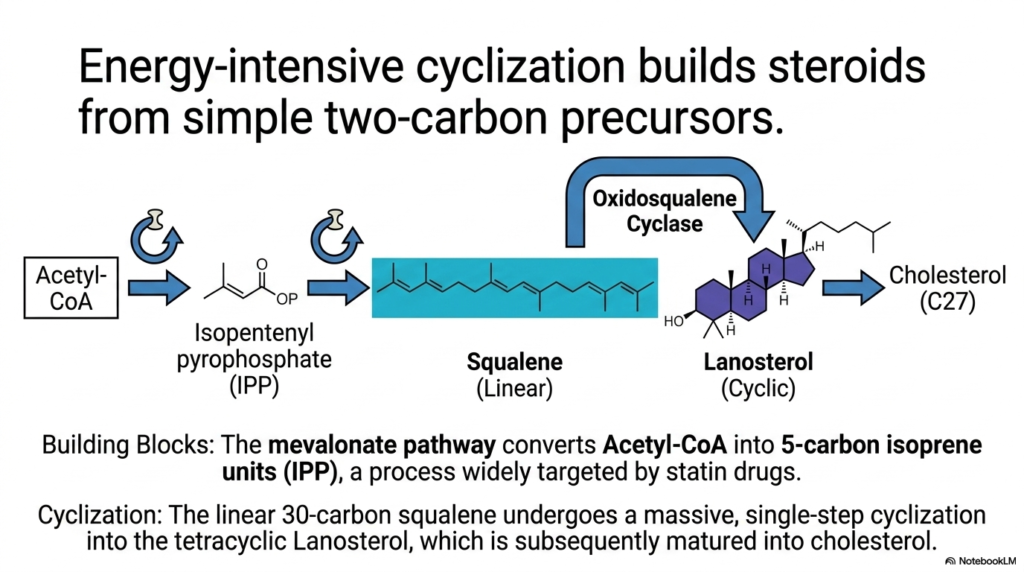
The biological construction of these complex molecules relies on highly energy-intensive cyclization to build enormous structures from simple two-carbon precursors, a true marvel of synthetic Steroid Chemistry. This sprawling metabolic process officially begins with the mevalonate pathway, where basic Acetyl-CoA molecules are sequentially condensed into highly reactive five-carbon isoprene units known as isopentenyl pyrophosphate (IPP). This specific synthetic pathway is heavily targeted by pharmaceutical statin drugs to manage disease.
As the underlying biosynthetic engine of Steroid Chemistry rapidly accelerates, these five-carbon building blocks are chained together to form squalene, a linear 30-carbon hydrocarbon. The true architectural magic occurs during the cyclization phase. Mediated heavily by the specialized enzyme oxidosqualene cyclase, the chaotic linear squalene molecule undergoes a massive, single-step cascade of electron shifts. This coordinated molecular folding forcefully snaps the linear chain into the precise tetracyclic geometry of lanosterol.
This remarkable enzymatic cyclization is heavily studied in Steroid Chemistry because it permanently establishes the foundational four-ring scaffold required for all subsequent lipids. Once lanosterol is successfully formed, the cell initiates a lengthy maturation process, meticulously trimming three methyl groups and shifting double bonds to finalize the 27-carbon structure of cholesterol. This slide perfectly encapsulates the sheer thermodynamic effort cellular machinery expends to build these indispensable biochemical scaffolds.
Slide 13: Teratogenic Toxins and Ring Alterations in Steroid Chemistry
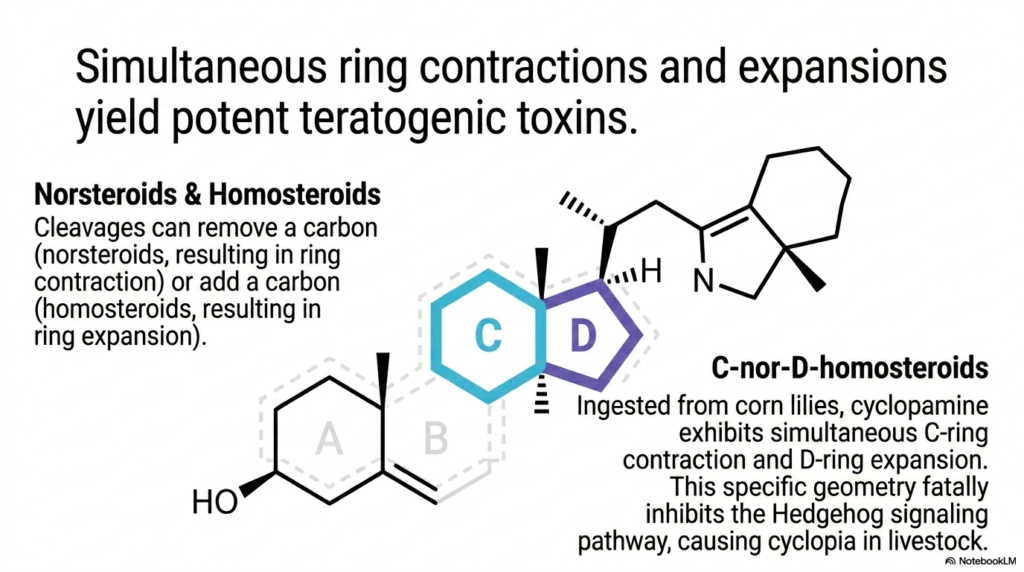
While typically associated with sustaining physiological life, the fundamental rules of Steroid Chemistry can be hijacked to yield incredibly potent teratogenic toxins. This toxicological phenomenon occurs when the rigid four-ring scaffold undergoes abnormal geometric shifts. Specific enzymatic cleavages can remove a carbon from a designated ring, resulting in a contracted norsteroid. Conversely, the forced addition of a carbon artificially expands the ring, generating an atypical homosteroid structural variation.
A devastating historical example of this rogue Steroid Chemistry is cyclopamine, a dangerous compound naturally found in certain wild corn lilies. Cyclopamine boasts a bizarre C-nor-D-homosteroid architecture, meaning it exhibits simultaneous contraction of the C-ring and expansion of the D-ring. When ingested by grazing livestock during early gestation, this molecule easily crosses the placental barrier due to its highly lipophilic nature, wreaking total havoc on delicate embryonic development.
The profound teratogenicity of cyclopamine demonstrates the precise, unforgiving nature of Steroid Chemistry. This specific, altered geometric shape allows the plant toxin to forcefully bind to and fatally inhibit the developmental Hedgehog signaling pathway. The immediate disruption of this critical signaling cascade prevents the embryonic brain from successfully dividing into two hemispheres, causing the catastrophic birth defect known as cyclopia. This slide highlights how fragile biological signaling remains.
Slide 14: Analytical Separation in Steroid Chemistry
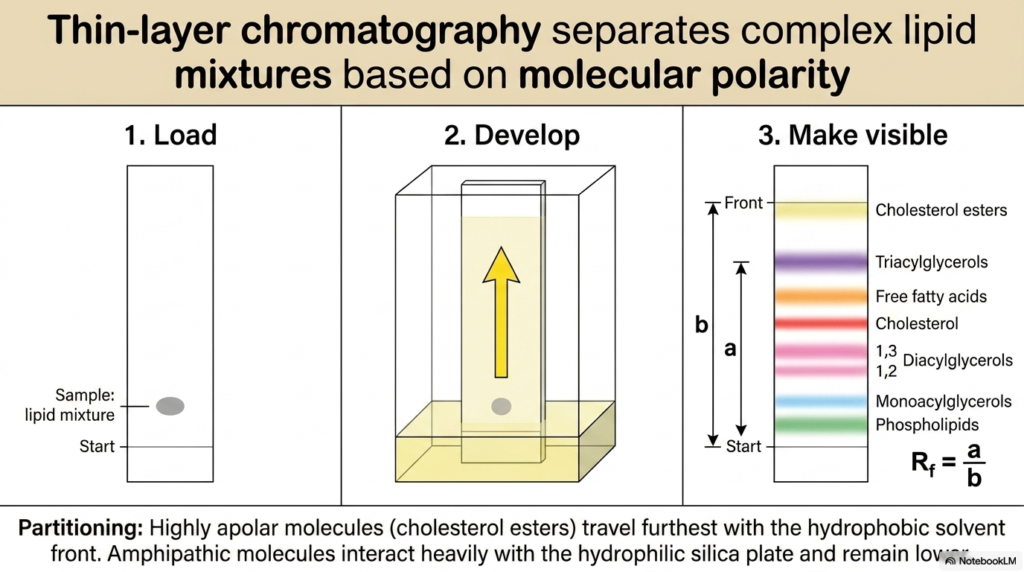
Thin-layer chromatography provides an absolutely crucial analytical tool for researchers attempting to successfully isolate and quantify complex lipid mixtures, forming the basis of practical analytical Steroid Chemistry. This standard laboratory technique effectively separates distinct lipid classes based strictly on their overall molecular polarity. The process involves manually loading a sample onto a specialized silica plate and developing it within a sealed glass chamber containing a highly hydrophobic organic solvent.
The physical mechanics of this separation perfectly illustrate the core interactive principles of Steroid Chemistry. As the solvent front aggressively travels upward via capillary action, molecules undergo competitive partitioning. Highly apolar molecules, such as heavily esterified cholesterol esters, exhibit zero chemical affinity for the polar silica plate. Consequently, these entirely hydrophobic molecules travel the furthest distances, riding the solvent front to the very top edge of the analytical plate.
Conversely, amphipathic molecules demonstrate a completely different physical behavior governed by their unique Steroid Chemistry. Lipids possessing highly polar functional groups—like the free hydroxyl group on pure cholesterol or the bulky phosphate heads of phospholipids—interact heavily with the hydrophilic silica stationary phase. This strong physical interaction actively anchors them lower on the plate, resulting in a noticeably smaller Retention factor. This methodology allows biochemists to easily decipher complex biological samples.
Slide 15: The Ultimate Biological Mandate of Steroid Chemistry
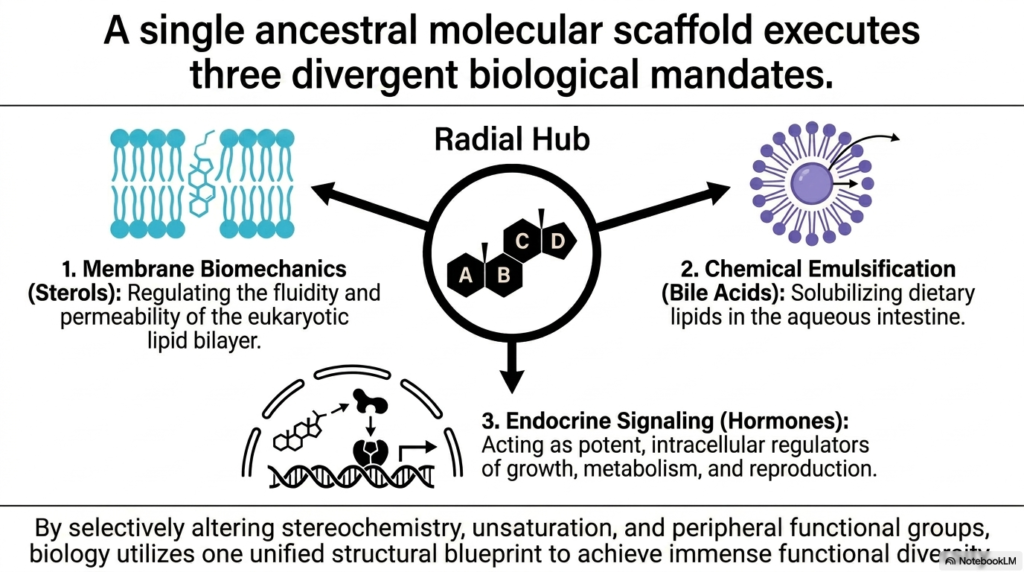
The concluding slide visually reveals that a single ancestral molecular scaffold successfully executes three wildly divergent biological mandates, cementing the absolute importance of Steroid Chemistry in eukaryotic cellular life. Operating as a central biological radial hub, the core cholesterol architecture provides the precise starting point for immense functional diversity. By selectively altering stereochemistry, unsaturation, and peripheral functional groups, biological systems utilize one structural blueprint to command physiology across multiple fronts.
The first major biological mandate of this structural hub within Steroid Chemistry is physical membrane biomechanics. By maintaining optimal internal fluidity and cellular permeability, these synthesized sterols actively protect the structural integrity of every eukaryotic lipid bilayer. The second mandate revolves tightly around chemical emulsification. By cleverly transforming the core geometry into water-soluble bile acids, the body successfully solubilizes dietary lipids, ensuring necessary nutrient absorption and daily metabolic fuel intake.
Finally, the third critical mandate of Steroid Chemistry dictates potent, widespread endocrine signaling. Through the enzymatic synthesis of precisely oxygenated systemic hormones, this unique lipid framework acts as a powerful intracellular regulator of organismal growth, energy metabolism, and biological reproduction. For medical students, understanding this radial hub beautifully summarizes the entire presentation: a masterclass in how minor chemical modifications to a single molecular chassis seamlessly govern the complex machinery of human physiology.
Please read our Content Disclaimer Statement.
Check out our social media channels: