67. The Eukaryotic Cell Nucleus: Structure and Function
A bustling metropolis requires a secure command center to prevent chaos. The cell uses an intricate vault to organize genetic information and metabolic processes. The core purpose of this slide deck is to explore this complex architecture. Students will discover how this organelle stores genetic code, regulates molecular traffic, and sustains biological life.
Slide 1: Introduction to the Eukaryotic Cell Nucleus
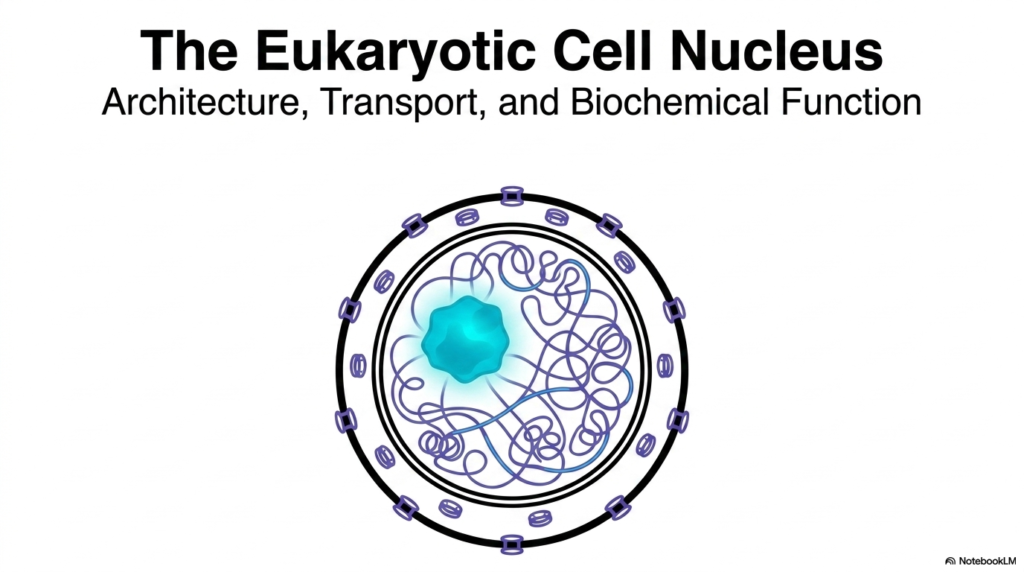
The Eukaryotic Cell Nucleus stands as the ultimate governor of cellular activity. This introductory visual provides a broad architectural overview of this vital organelle. It is a highly organized environment where structure directly dictates function. The outer boundary protects the internal components, acting as a strict barrier against the chaotic cytoplasm. Medical students must recognize that this organelle is far from a simple storage unit. It acts as an energetic command center driving the entire cellular economy.
Within the Eukaryotic Cell Nucleus, intricate biochemical processes operate constantly to sustain life. This slide highlights the central themes of architecture, transport, and biochemical function. The image shows a defined spherical structure containing a tangle of genetic material alongside a dense inner core. This precise spatial organization is essential for maintaining order, regulating gene expression, and preventing dangerous mutations. Without this distinct compartmentalization, the cellular machinery would descend into complete chaos, leading to dysfunction or cell death.
The diagram captures the dynamic nature of the eukaryotic cell nucleus perfectly. It is not just a quiet vault but a bustling hub of continuous metabolic and genetic activity. By understanding this physical layout, students gain a strong foundation for exploring the complex molecular mechanisms that drive biological existence. This initial overview beautifully sets the stage for a deeper dive into cellular genetics, illustrating how physical boundaries enable sophisticated biochemical reactions.
As the upcoming slides will detail, the command center regulates an enormous flow of biological data. It carefully manages RNA export while demanding a steady import of structural proteins and essential enzymes. The Eukaryotic Cell Nucleus requires immense energy and resources to maintain its structural integrity. Grasping this continuous, dynamic exchange is crucial for any scholar of biochemistry. This fundamental concept underpins the study of genetics, cellular pathology, and modern medicine.
Slide 2: Core Biochemical Triad of the Eukaryotic Cell Nucleus
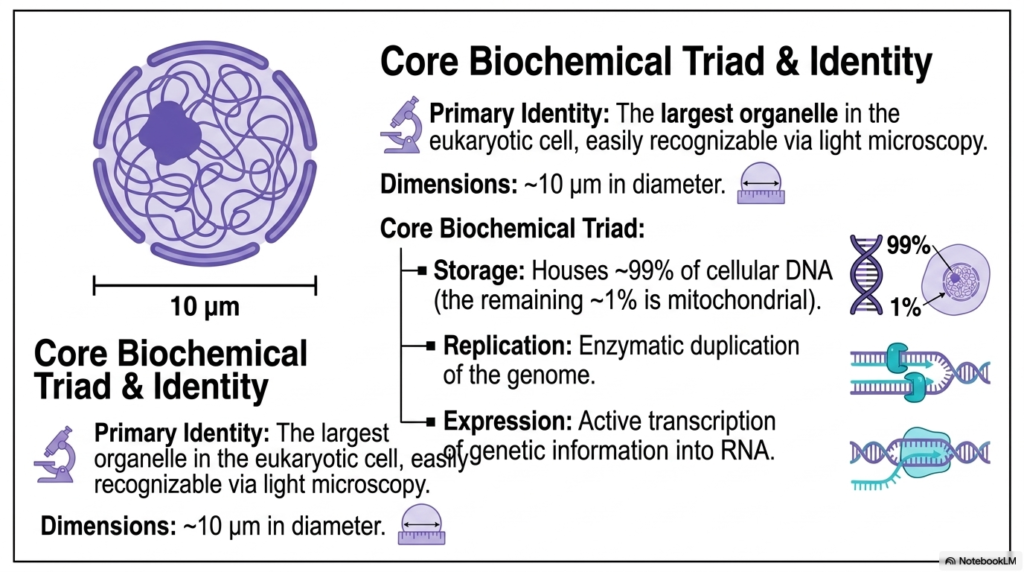
Under a light microscope, the Eukaryotic Cell Nucleus is easily recognizable as the largest organelle in the cell. It typically measures around ten micrometers in diameter. Its sheer physical prominence hints at its absolute necessity for cellular survival. This slide introduces the core biochemical triad that clearly defines its primary biological identity. These three essential pillars are storage, replication, and expression. Together, they form the functional foundation of all genetic governance.
The first pillar is massive genetic storage. The Eukaryotic Cell Nucleus houses approximately ninety-nine percent of the cellular DNA. While mitochondria contain a tiny fraction of the genome, the main genome resides securely within this primary vault. This extensive storage system protects the delicate DNA molecules from degradative enzymes present in the cytoplasm. Such protection is vital for preserving the long-term genetic integrity of the organism across countless generations.
The second pillar involves the enzymatic duplication of the genome. The Eukaryotic Cell Nucleus coordinates this massive replication process with extraordinary precision. Before any cell division can occur, the entire genome must be copied flawlessly. This ensures that every new daughter cell receives an exact replica of the original genetic blueprint. Errors in this complex biochemical process can lead to severe developmental issues or oncogenesis, making this a critical area of medical study.
The final pillar is the active expression of genetic information. The Eukaryotic Cell Nucleus oversees the transcription of DNA into various functional RNA molecules. This continuous process translates static genetic codes into dynamic cellular actions. This active transcription is the first step in synthesizing the proteins necessary for life. By mastering these three fundamental functions, biology students can better appreciate how this organelle acts as the undisputed master regulator. The interplay of storage, replication, and expression keeps the cellular machinery running smoothly every single day.
Slide 3: Membrane Dynamics of the Eukaryotic Cell Nucleus
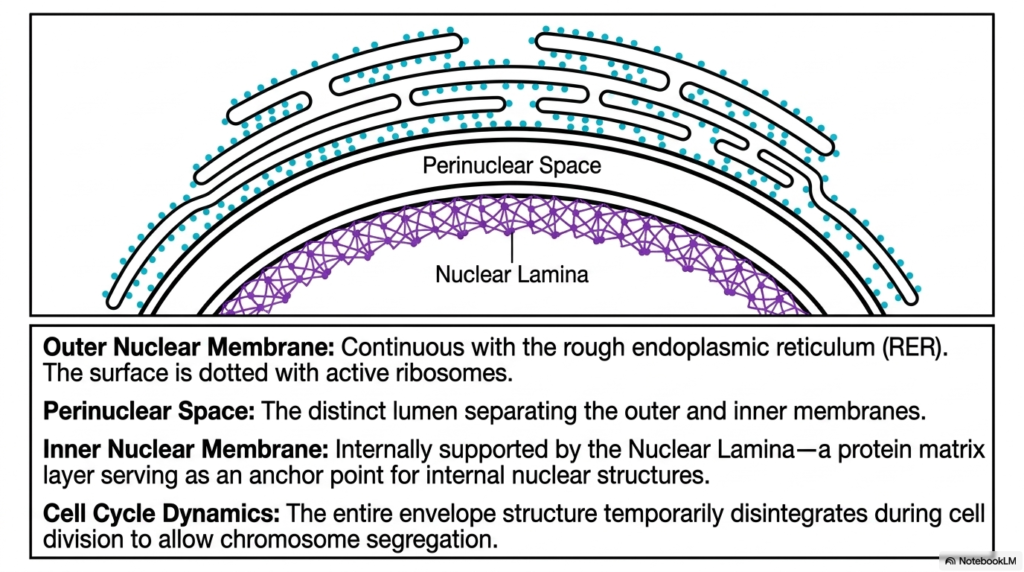
To secure the precious genetic blueprint, the Eukaryotic Cell Nucleus utilizes a highly sophisticated double-membrane barrier. This defensive shell is not a simple bubble but a complex, multi-layered envelope. The outermost layer is the outer nuclear membrane. This structure remains directly continuous with the rough endoplasmic reticulum. Consequently, its surface is densely dotted with active ribosomes, which continuously manufacture essential proteins for the larger cellular economy.
Moving inward, an observer encounters a distinct buffer zone known as the perinuclear space. This lumen safely separates the outer boundary from the inner nuclear membrane. The inner membrane of the Eukaryotic Cell Nucleus provides the final physical boundary before the nucleoplasm. Crucially, it relies on a specialized protein matrix called the nuclear lamina for structural support. This lamina serves as a sturdy architectural scaffold, supporting the walls and organizing the interior space.
The nuclear lamina is vital for the overall structural integrity of the eukaryotic cell nucleus. It serves as an essential anchor point for various internal structures, including chromatin complexes. When this protein matrix is compromised by genetic mutations, severe structural deformities result. Such defects are directly linked to devastating human diseases, including premature aging syndromes. Understanding these membrane dynamics is therefore crucial for medical students studying genetic pathology.
One of the most remarkable features of the Eukaryotic Cell Nucleus is its dynamic behavior during the cell cycle. When a cell prepares to divide, this entire heavily fortified envelope temporarily disintegrates. The lamina dismantles, the membranes retreat, and the chromosomes are released into the cytoplasm for segregation. Once division concludes, the nuclear envelope rapidly reassembles around the new genetic material. This perfect timing and spatial coordination highlight a truly stunning feat of microscopic cellular engineering.
Slide 4: Chromatin Packaging in the Eukaryotic Cell Nucleus
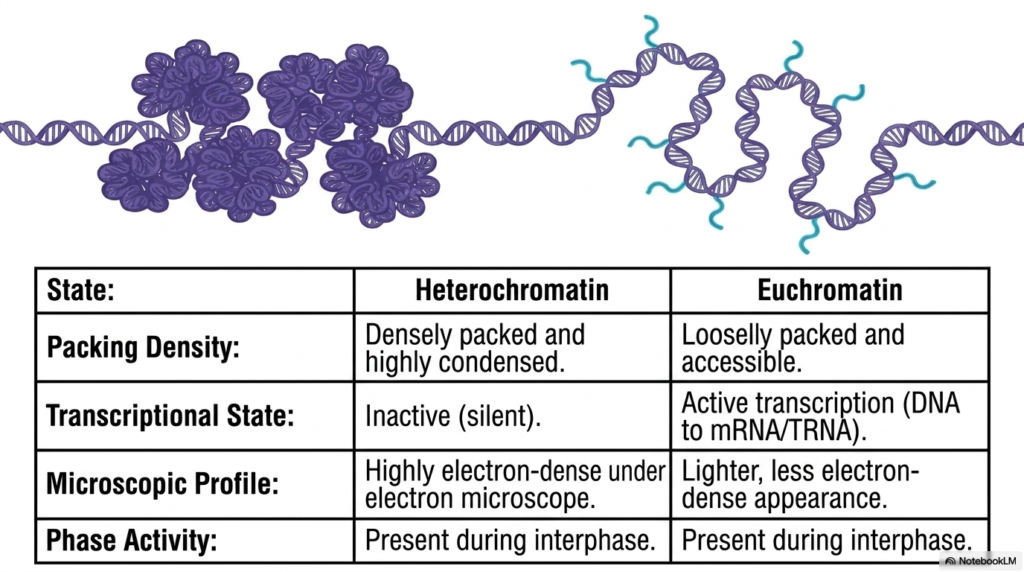
The Eukaryotic Cell Nucleus faces a monumental physical challenge. It must pack roughly two meters of DNA into a sphere that is only ten micrometers wide. To accomplish this, the genetic material wraps around specialized proteins to form chromatin. This slide details the two distinct functional states of chromatin. These distinct states dictate how and when genes are actively expressed or silently stored away.
The first state is heterochromatin, which represents the most densely packed form of DNA. Because it is highly condensed, the transcriptional machinery cannot access the genetic sequence. As a result, genes located in these regions remain completely inactive or silent. When observed under an electron microscope, heterochromatin appears highly electron-dense. This heavy density forms dark, thick patches near the periphery of the Eukaryotic Cell Nucleus.
The second structural state is euchromatin. In contrast to heterochromatin, euchromatin is loosely packed and highly accessible. This open configuration exposes the genetic code, allowing active transcription. In these lighter regions, the eukaryotic cell nucleus continuously synthesizes messenger RNA and transfer RNA. Under an electron microscope, euchromatin appears much lighter and less dense, indicating a bustling hub of gene expression.
The ability of the Eukaryotic Cell Nucleus to dynamically shift DNA segments between these two states is a marvel of biochemistry. This dynamic repackaging forms the basis of epigenetics. It allows cells with identical genomes to develop into vastly different tissues. By tightly coiling unnecessary genes and unwinding vital ones, the organelle orchestrates complex developmental pathways. This selective accessibility is critical for cellular differentiation and overall organismal health.
Medical professionals must understand these distinct chromatin states. Mismanagement of this delicate packing system frequently leads to aberrant gene expression. Such molecular mistakes are common drivers of oncogenesis and various metabolic disorders. Mastering this structural concept is vital for anyone studying genetics.
Slide 5: The Nucleolus of the Eukaryotic Cell Nucleus
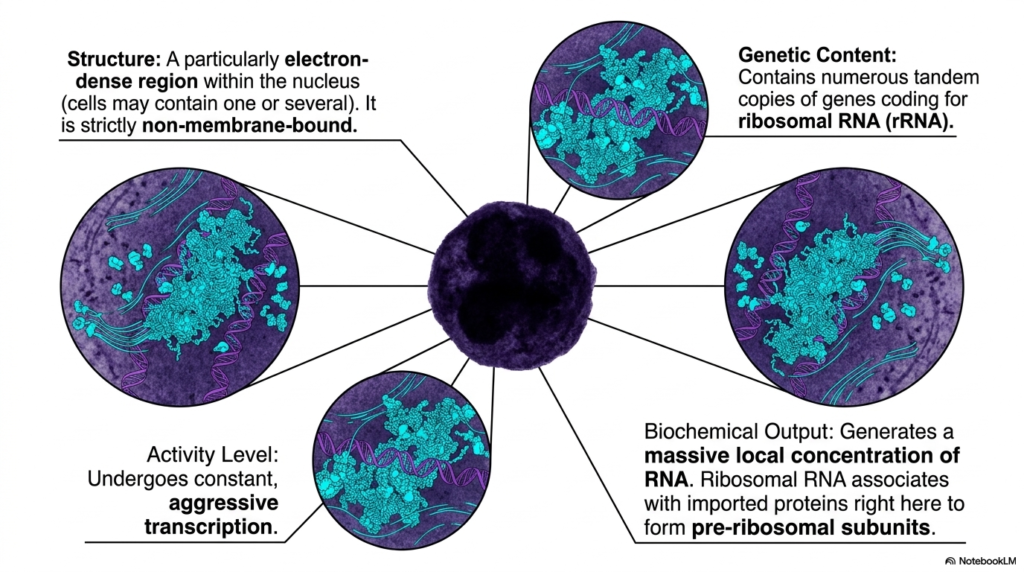
Hidden deep inside the Eukaryotic Cell Nucleus lies a highly specialized sub-compartment known as the nucleolus. Unlike other cellular organelles, this structure is strictly non-membrane-bound. It is visible under an electron microscope as an extremely dark, electron-dense region. Depending on the cell’s specific metabolic needs, a single nucleus might contain one or more of these structures. It functions as a massive, ultra-high-speed biochemical factory.
The genetic content of this dense region is highly specific. The nucleolus houses numerous tandem copies of genes that code exclusively for ribosomal RNA. Because the cell demands a continuous supply of ribosomes for protein synthesis, activity here is intense. The Eukaryotic Cell Nucleus drives aggressive, nonstop transcription in this specific location. This furious pace generates a massive local concentration of newly synthesized RNA molecules.
The primary biochemical output of the nucleolus is the production of pre-ribosomal subunits. As ribosomal RNA is rapidly synthesized, it immediately associates with various structural proteins. These specialized proteins are manufactured in the cytoplasm and imported directly into the Eukaryotic Cell Nucleus. Right there in the nucleolus, RNA and proteins assemble. This efficient manufacturing process highlights the organelle’s incredible organizational capacity.
These newly formed pre-ribosomal subunits are essentially the raw materials for the cellular protein factories. Once assembled, they are swiftly exported out of the eukaryotic cell nucleus into the cytoplasm. Without this frantic and highly localized manufacturing process, the entire cell would lose its ability to synthesize proteins. Consequently, cell growth, repair, and survival would instantly grind to a permanent halt.
For students of biochemistry, the nucleolus perfectly illustrates how physical density correlates with intense biological activity. It remains one of the most vital regions for maintaining basic cellular life. Understanding its function is crucial for comprehending how cells sustain rapid growth.
Slide 6: Pores and Gateways of the Eukaryotic Cell Nucleus
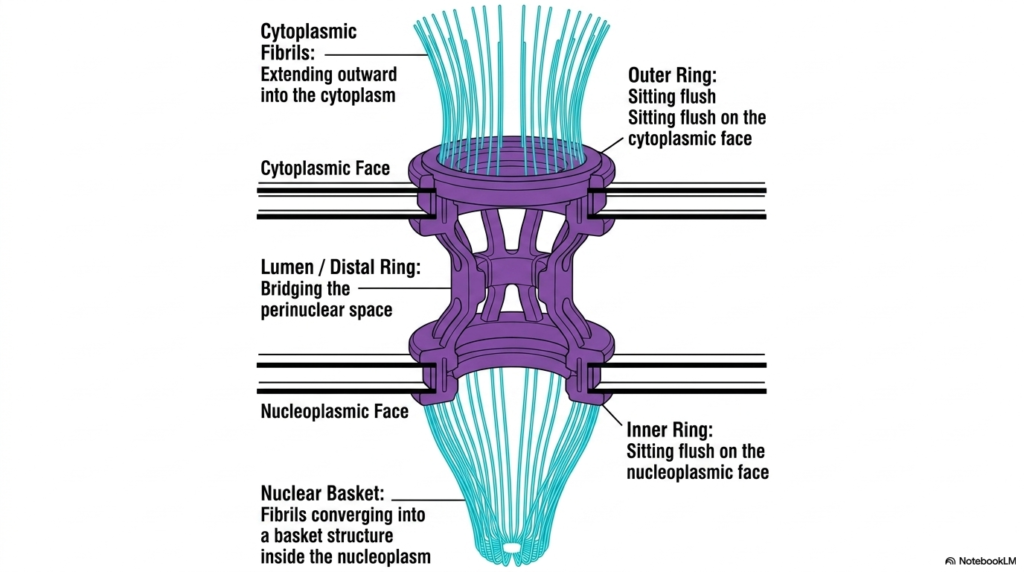
Because the outer envelope is heavily fortified, the Eukaryotic Cell Nucleus requires specialized gateways for molecular transport. This slide provides a detailed architectural breakdown of the nuclear pore complex. These massive protein structures perforate the nuclear envelope, acting as the exclusive biological lock system. They are incredibly sophisticated, highly regulated channels rather than simple open holes. Every molecule entering or exiting must navigate this precise architecture.
The structure of the pore complex is a marvel of cellular engineering. On the outer surface, cytoplasmic fibrils extend outward like long biological feelers. These fibrils actively capture incoming molecular cargo from the cytoplasm. They attach directly to a sturdy outer ring that sits completely flush on the cytoplasmic face. Bridging the tricky perinuclear space is a central lumen, sometimes called the distal ring.
Internally, an inner ring sits tightly against the nucleoplasmic face. Extending inward from this ring is a visually striking feature known as the nuclear basket. Inside the Eukaryotic Cell Nucleus, specific fibrils converge to form this basket-like structure. It serves to catch and carefully organize complex materials as they enter the nucleoplasm. This intricate design maintains strict border control at all times.
The elaborate design of the nuclear pore complex ensures that the Eukaryotic Cell Nucleus remains completely secure. Every single polymerase enzyme, transcription factor, and RNA transcript must interact with this machinery. The pore complex acts as a physical checkpoint, preventing unauthorized access to the delicate genetic material. Medical students will note that viral pathogens often exploit this exact machinery to inject their own viral genomes.
Grasping the physical layout of these gateways is essential for understanding cellular communication. The Eukaryotic Cell Nucleus depends entirely on these structures to manage its relationship with the rest of the cell.
Slide 7: Transport Mechanics of the Eukaryotic Cell Nucleus
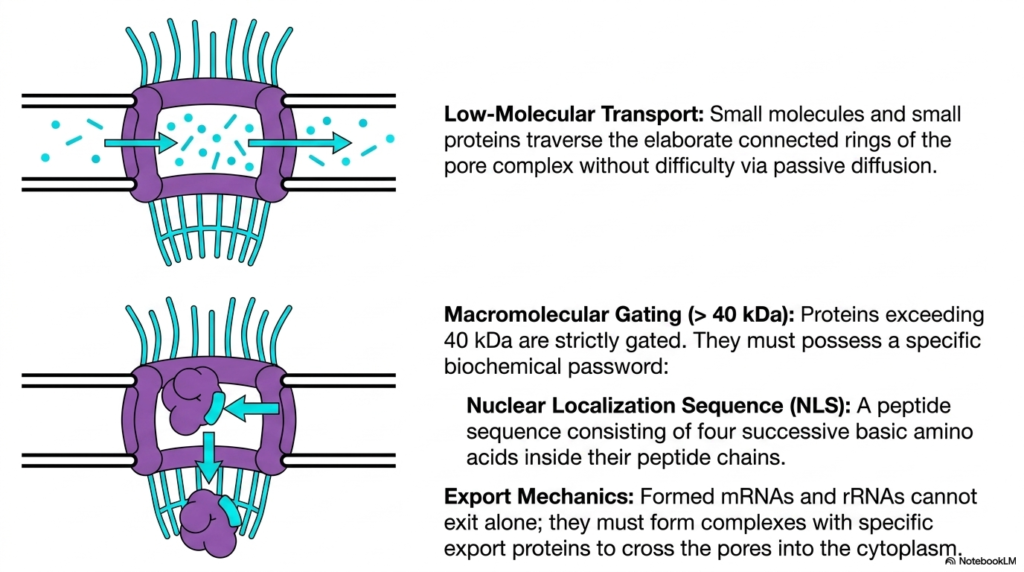
Having established the gateways’ architecture, this slide explains the strict security protocols governing transport. The Eukaryotic Cell Nucleus handles different types of molecules with vastly different rules. For low-molecular-weight molecules and very small proteins, entry is relatively simple. They can easily traverse the elaborate, interconnected rings of the pore complex via simple passive diffusion. They require no special assistance or cellular energy to cross the barrier.
However, transport mechanics change dramatically for larger cargo. Macromolecules, specifically massive proteins exceeding forty kilodaltons, face strict gating mechanisms. They cannot simply float across the envelope. To gain entry into the Eukaryotic Cell Nucleus, these large molecules must possess a specific biochemical password. This password is known as a nuclear localization sequence. It acts as a specialized biological barcode that the pore complex meticulously scans before opening.
The nuclear localization sequence typically consists of a short peptide chain containing four successive basic amino acids. Without this precise chemical signature, essential enzymes remain trapped outside. Similarly, export mechanics from the eukaryotic cell nucleus are tightly controlled. Massive molecular products, such as messenger RNAs and ribosomal RNAs, cannot exit the pore on their own. They possess their own specific export signals that must be recognized by transport receptors.
To cross the barrier safely, these genetic messages must form temporary complexes with specific export proteins. Only when properly escorted by these carriers can they navigate the pore and enter the cytoplasm. This strict regulation ensures that the eukaryotic cell nucleus only exports fully completed genetic products. Understanding these exact transport mechanics is fundamental to the study of targeted drug delivery and modern cellular pharmacology.
The Eukaryotic Cell Nucleus employs these selective transport rules to protect the genome from toxic cytoplasmic factors. It is a flawless system of molecular verification and cellular security.
Slide 8: The Central Dogma and the Eukaryotic Cell Nucleus
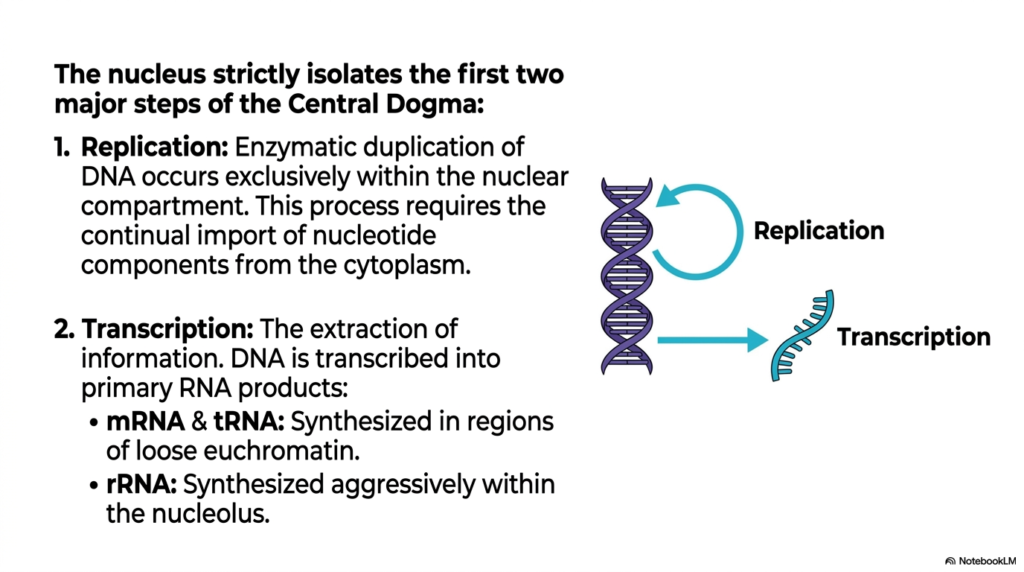
This slide brings students to the absolute core of molecular biology, commonly known as the central dogma. This fundamental concept details the directional flow of genetic information. The Eukaryotic Cell Nucleus strictly isolates the first two major steps of this vital process. By keeping these reactions confined behind thick walls, the organelle protects the delicate genome from the volatile, enzyme-rich environment of the cellular cytoplasm.
The first major step is DNA replication. The enzymatic duplication of the entire genome occurs exclusively within the isolated nuclear compartment. Copying billions of base pairs requires massive amounts of raw building materials. Consequently, the eukaryotic cell nucleus must continually import nucleotide components directly from the cytoplasm. This continuous influx ensures that the heavy-duty replication machinery remains fully fed and operational before cellular division occurs.
The second crucial step is transcription, which involves the active extraction of genetic information. During this phase, DNA sequences are transcribed into primary RNA products. As detailed earlier, messenger RNA and transfer RNA are actively synthesized in the more loosely packed euchromatic regions. Meanwhile, ribosomal RNA is synthesized in large quantities within the nucleolus. The Eukaryotic Cell Nucleus flawlessly coordinates these simultaneous transcriptional processes across different spatial domains.
By forcing replication and transcription to occur strictly inside its protected environment, the Eukaryotic Cell Nucleus ensures high-fidelity results. Only properly finalized genetic copies are eventually allowed to interact with the broader cellular environment. This profound isolation strategy prevents catastrophic biological errors and disastrous mutations. It remains one of the most critical evolutionary advantages of eukaryotic organisms over simpler cellular life forms.
Biochemistry scholars must fully comprehend how this spatial separation regulates gene expression. The Eukaryotic Cell Nucleus acts as a master control room, dictating exactly how and when genetic information is utilized by the wider cellular economy.
Slide 9: RNA Maturation in the Eukaryotic Cell Nucleus
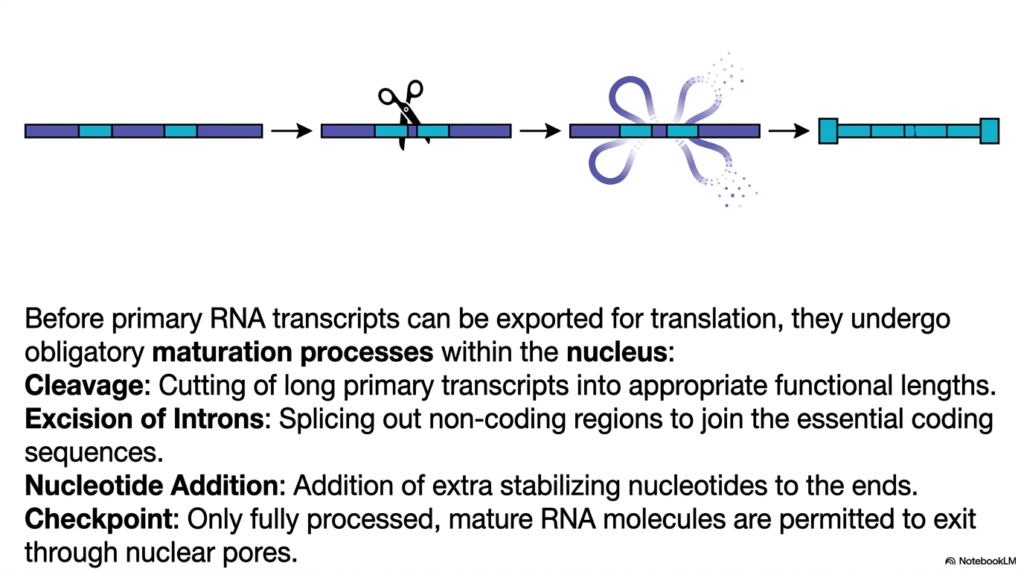
Novice biology students often assume that freshly transcribed RNA immediately travels to the ribosomes. This slide corrects that common misconception by detailing the vital process of RNA maturation. Before any primary RNA transcript can be exported for translation, it must undergo strict obligatory processing. The Eukaryotic Cell Nucleus carefully edits every single genetic message before granting it permission to leave the secure command center.
The first editing step involves careful cleavage. Extremely long primary transcripts are essentially cut by biochemical scissors into their appropriate functional lengths. Next, the Eukaryotic Cell Nucleus oversees the critical excision of introns. Genetic codes naturally contain non-coding regions that interrupt essential coding sequences. The processing machinery seamlessly splices out this non-coding gibberish, joining the vital exons together to form a coherent set of protein instructions.
The final processing step is nucleotide addition. Specialized enzymes add stabilizing nucleotide caps and tails to the ends of the spliced RNA sequence. This crucial modification protects the fragile message from rapid degradation once it eventually enters the harsh cytoplasm. The Eukaryotic Cell Nucleus serves as an exceptionally rigorous quality-control manager. It meticulously inspects every modification before the transcript approaches the nuclear pore.
The most important takeaway from this slide is the final biochemical checkpoint. The Eukaryotic Cell Nucleus does not tolerate unfinished or faulty work. Only fully processed, perfectly mature RNA molecules are permitted to exit through the gates. This uncompromising strictness is absolutely essential for preventing mutated, truncated, or useless proteins from damaging the cell. It ensures that the cellular translation machinery receives only flawless instructions.
This rigorous editing process highlights the sophisticated regulatory power of the Eukaryotic Cell Nucleus. Understanding RNA splicing and maturation is absolutely essential for tackling modern genetic therapies, mRNA vaccines, and advanced molecular biology.
Slide 10: Cytoplasmic Interdependency of the Eukaryotic Cell Nucleus
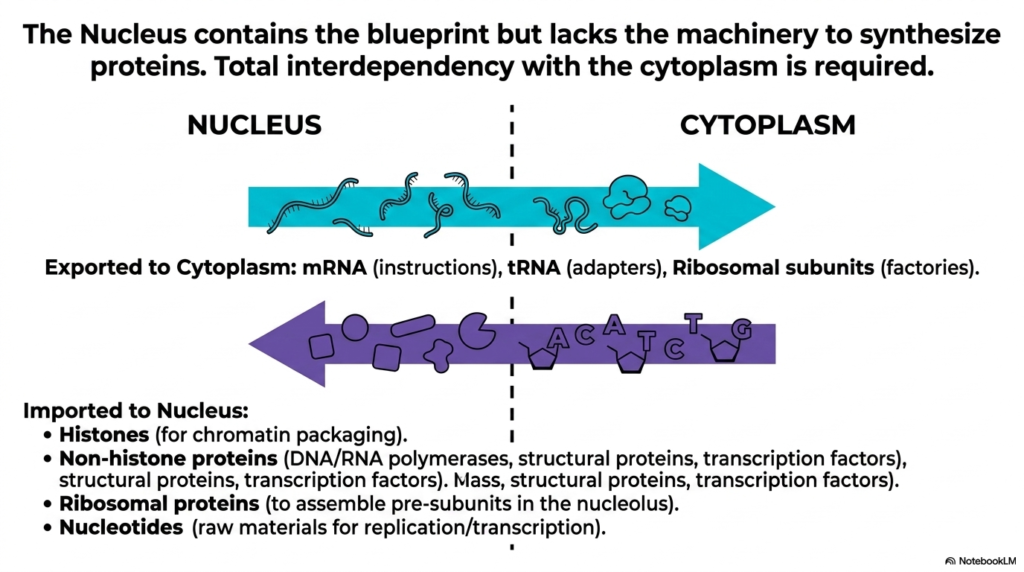
This slide illustrates a profoundly humbling reality regarding cellular biology. Despite its status as the command center, the Eukaryotic Cell Nucleus is not entirely self-sufficient. It holds the ultimate genetic blueprint, yet it completely lacks the biochemical machinery required to actually synthesize structural proteins. It relies on total interdependency with the cytoplasm to bring its genetic plans to life. The relationship is a perfect biological partnership.
The outward flow of materials highlights what the eukaryotic cell nucleus provides. It heavily exports crucial messenger RNA instructions, necessary transfer RNA adapters, and fully assembled ribosomal subunits. It provides all the foundational information and the raw materials needed for protein synthesis. However, these materials are entirely useless without the active translational machinery located beyond the nuclear envelope. The cytoplasm must execute the final steps.
The massive inward flow demonstrates exactly what the eukaryotic cell nucleus demands in return. The cytoplasm must manufacture and import histones for chromatin packaging. It must provide a massive influx of raw nucleotides required for continuous DNA replication and transcription. Most critically, the cytoplasm manufactures and ships all non-histone proteins back to the center. This includes the massive polymerases, critical structural proteins, and various transcription factors.
Without this continuous delivery of cytoplasmic tools, the Eukaryotic Cell Nucleus would become completely paralyzed. It represents a stunning cycle of cellular reliance. The nucleus provides the coded instructions to build biological tools, but the cytoplasm must physically construct those tools and hand them back. Medical scholars must grasp this continuous feedback loop to fully understand the holistic nature of cellular metabolism and survival.
A failure in this interdependency results in rapid cellular death. The Eukaryotic Cell Nucleus cannot function in isolation, proving that the cellular ecosystem requires constant, bidirectional communication and material exchange to sustain life.
Slide 11: Metabolic Functions of the Eukaryotic Cell Nucleus
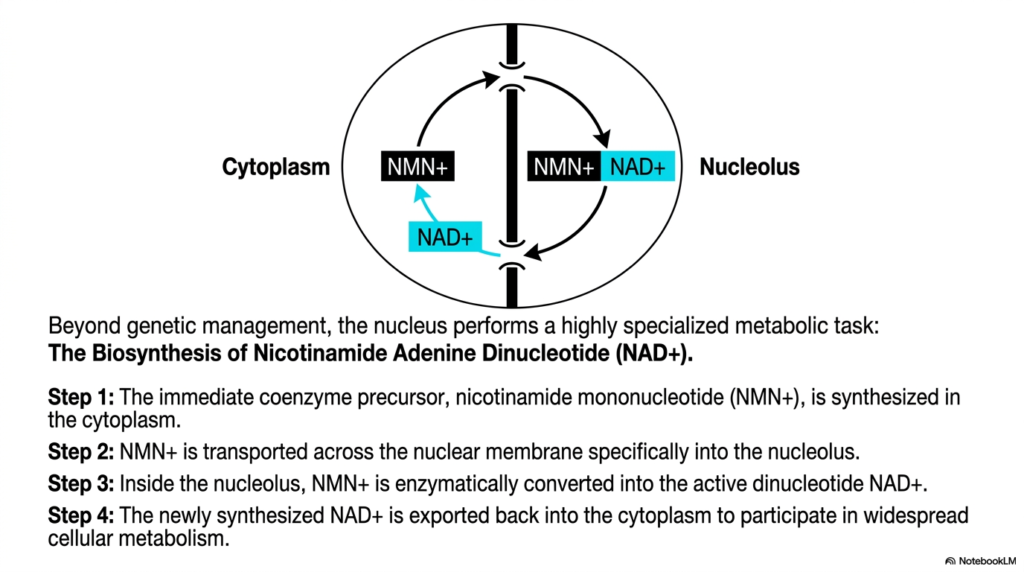
Our final conceptual slides reveal a fascinating plot twist regarding organelle function. While most textbooks focus entirely on genetic management, the eukaryotic cell nucleus also performs highly specialized metabolic functions. It is the primary site of Nicotinamide Adenine Dinucleotide biosynthesis. This crucial molecule, commonly known as NAD+, is an absolute requirement for energy metabolism and electron transport throughout the entire eukaryotic cell.
The biosynthesis of this vital coenzyme requires remarkable spatial coordination. Step one actually begins out in the cytoplasm, where the immediate precursor molecule, nicotinamide mononucleotide, is first synthesized. During step two, this specialized precursor is transported rapidly across the membrane. The Eukaryotic Cell Nucleus actively directs this precursor specifically into the deep, dense region of the nucleolus, utilizing the nuclear pore complexes for entry.
Step three reveals that the nucleolus is far more than just a simple ribosome factory. Inside this specific region of the eukaryotic cell nucleus, the precursor is enzymatically converted into the fully active dinucleotide form. This demonstrates that the nucleolus serves as an essential, highly concentrated metabolic hub. It utilizes localized enzymes to finalize the production of one of biology’s most important energy carriers.
Finally, in step four, this newly synthesized NAD+ is exported right back out into the cytoplasm. Once released from the Eukaryotic Cell Nucleus, it actively participates in widespread cellular metabolic and energy-production pathways. This incredible biochemical process brilliantly illustrates the incredible versatility of the organelle. It directly intertwines genetic regulation with fundamental cellular bioenergetics in a way few students initially realize.
Medical students should note that NAD+ levels directly impact cellular aging and metabolic health. The Eukaryotic Cell Nucleus plays a direct role in maintaining this delicate energy balance, proving its metabolic significance.
Slide 12: The Eukaryotic Cell Nucleus as a Dynamic Engine
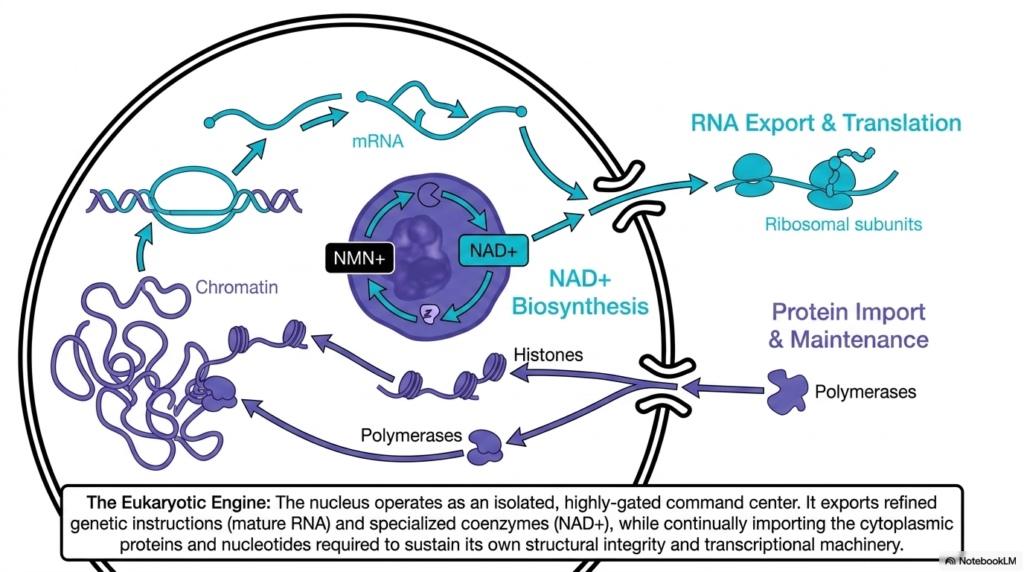
The final slide serves as a comprehensive visual summary of the entire lecture. It beautifully synthesizes the concept of the eukaryotic cell nucleus operating as a highly gated, isolated engine. The diagram maps out the complex, continuous cycle of import, export, transcription, and metabolic processing. It reinforces the idea that this structure is never static. Instead, it is a constantly churning hub of vital biochemical activity.
On the export side, the Eukaryotic Cell Nucleus continuously exports refined genetic instructions as mature RNA. It successfully exports completed ribosomal subunits alongside newly minted metabolic coenzymes. These critical materials feed the cytoplasmic translational machinery and drive systemic energy production. By tightly regulating this outward flow, the command center exerts ultimate control over the biochemical behavior of the entire cell.
Simultaneously, the diagram illustrates the massive import requirements needed to sustain the engine. The Eukaryotic Cell Nucleus constantly draws in raw nucleotides, specialized polymerases, and necessary structural histones. This inward flow sustains its own structural integrity and fuels the massive, ongoing transcriptional machinery. Without this steady stream of supplies from the cytoplasm, the delicate internal architecture would quickly collapse, and gene expression would cease entirely.
Mastering the biochemistry of the Eukaryotic Cell Nucleus is essential for any aspiring medical professional or biological researcher. It is the heart of cellular governance, intricately connecting genetic storage, structural regulation, and metabolic output. By understanding these precise mechanisms, students gain a profound appreciation for the elegance of molecular biology. This isolated command center truly represents the ultimate engine driving the complexity of eukaryotic life.
The Eukaryotic Cell Nucleus will remain a focal point of genetic research for decades. Its intricate architecture and strict molecular governance are the fundamental basis for understanding human health, disease, and cellular evolution.
Please read our Content Disclaimer Statement.
Check out our social media channels: