145. Biochemistry of Hormones: Fundamentals of Hormonal Regulation Systems
How does a single organ send an urgent instruction to distant tissues in seconds? The human body relies on a vast network of chemical messengers traveling through the circulatory system to orchestrate essential biological functions. This visual guide breaks down core endocrine principles for college and medical school students. Through thirteen detailed slides, the deck explores chemical structures, local versus systemic signaling dynamics, and the complete life cycle of signal pathways. Readers will gain a clear understanding of how these signaling molecules maintain internal balance across human physiology.
Slide 1: Introduction to the Biochemistry of Hormones
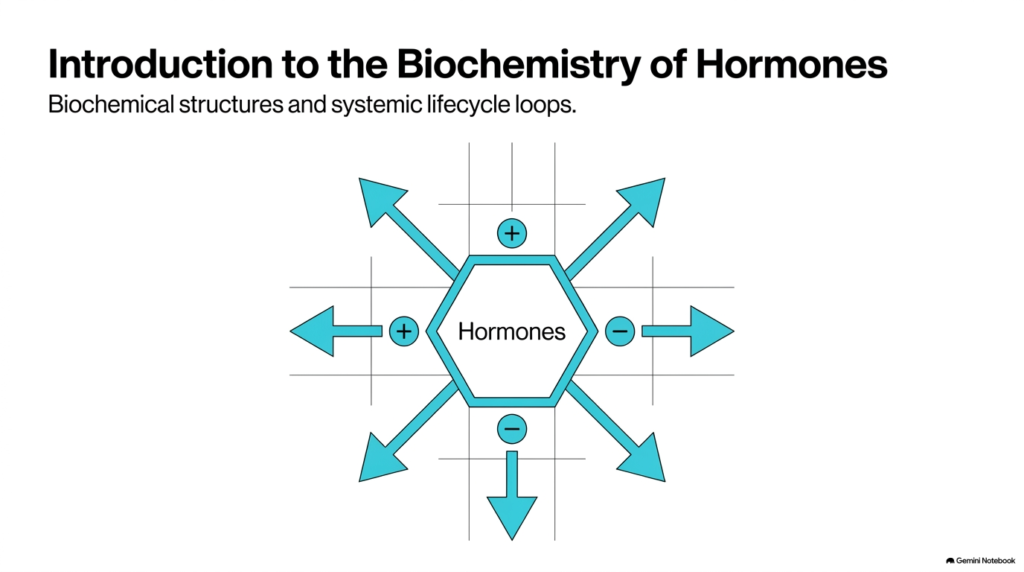
The human body depends on a complex molecular communication system to survive, adapt, and maintain internal equilibrium. Within this intricate physiological network, studying hormone biochemistry provides the foundation for understanding how distant organ systems coordinate growth, energy use, and physiological balance. Hormones function as highly specialized chemical signaling substances that endocrine glands synthesize in precise quantities. Once released, these signaling molecules enter the bloodstream and travel throughout the circulatory system to target organs. Mastering hormone biochemistry helps students appreciate how microscopic chemical structures trigger major systemic changes across the human body.
This introductory slide establishes the broad scope of endocrine physiology and molecular signaling. In medical and academic settings, hormone biochemistry encompasses the full functional lifecycle of chemical signals, from cellular synthesis to organ-level response. Specialized glandular tissues operate as master control centers, releasing active messengers into circulation. These molecules travel until they reach specific binding sites on target cells, turning a chemical message into a cellular event. Exploring hormone biochemistry helps students connect fundamental molecular interactions directly to clinical health, disease states, and homeostatic regulation.
This conceptual foundation also highlights the difference between generalized chemical circulation and targeted cellular recognition. By analyzing hormone biochemistry, researchers can see how structural variations affect signaling speed, receptor affinity, and physiological persistence. This comprehensive perspective prepares students for deeper explorations into endocrine mechanics, cellular receptors, and systemic regulation.
Slide 2: Systemic vs. Local Signaling Dynamics in the Biochemistry of Hormones
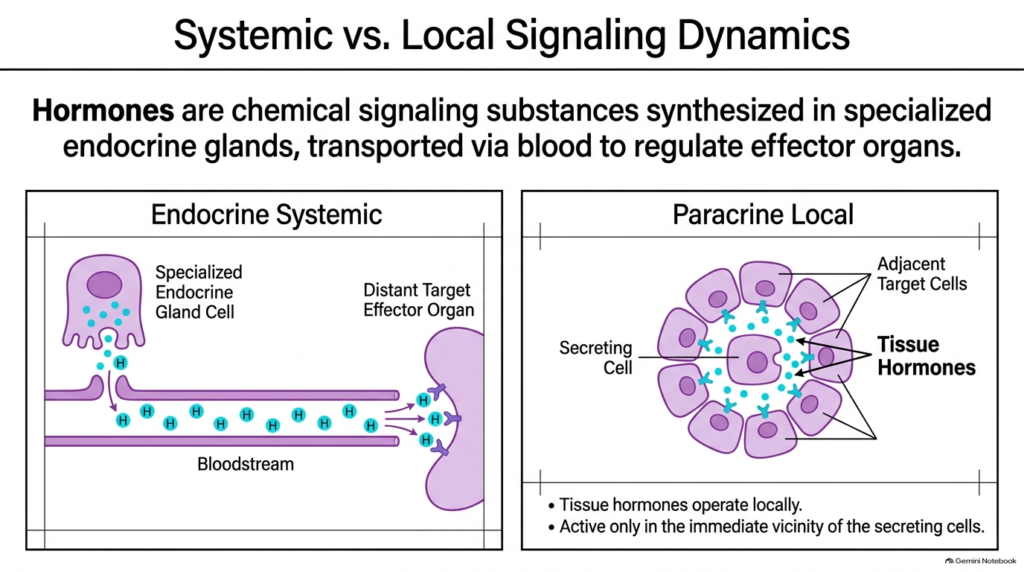
Chemical signaling in biological systems operates across distinct distance scales depending on functional requirements. A key lesson in hormone biochemistry is contrasting systemic endocrine pathways with localized paracrine dynamics. Endocrine hormones originate in specialized gland cells and travel through the circulatory system to reach distant target effector organs. In contrast, tissue hormones act locally, near the cells that secrete them. Examining hormone biochemistry through this spatial lens reveals how the body balances widespread systemic integration with targeted regional control.
The classic endocrine route requires hormones to enter blood vessels, enabling long-distance transport throughout the body. When analyzing hormone biochemistry, students observe that blood-borne messengers must remain stable during transit to reach remote effector tissues. Conversely, paracrine signaling bypasses extended vascular transport. Tissue hormones diffuse through interstitial fluid to bind neighboring cell receptors directly. This localized mechanism lets tissues make rapid, highly localized adjustments without altering systemic blood conditions or affecting uninvolved organs.
Understanding these spatial dynamics clarifies why different physiological processes demand distinct signaling modes. Hormone biochemistry shows that long-term processes like growth require broad systemic coordination, whereas local tissue repair relies on paracrine messengers. By evaluating these dual mechanisms, students learn how organisms combine far-reaching endocrine pathways with specialized local signals to maintain overall functional harmony.
Slide 3: The Chemical Signaling Spectrum in the Biochemistry of Hormones
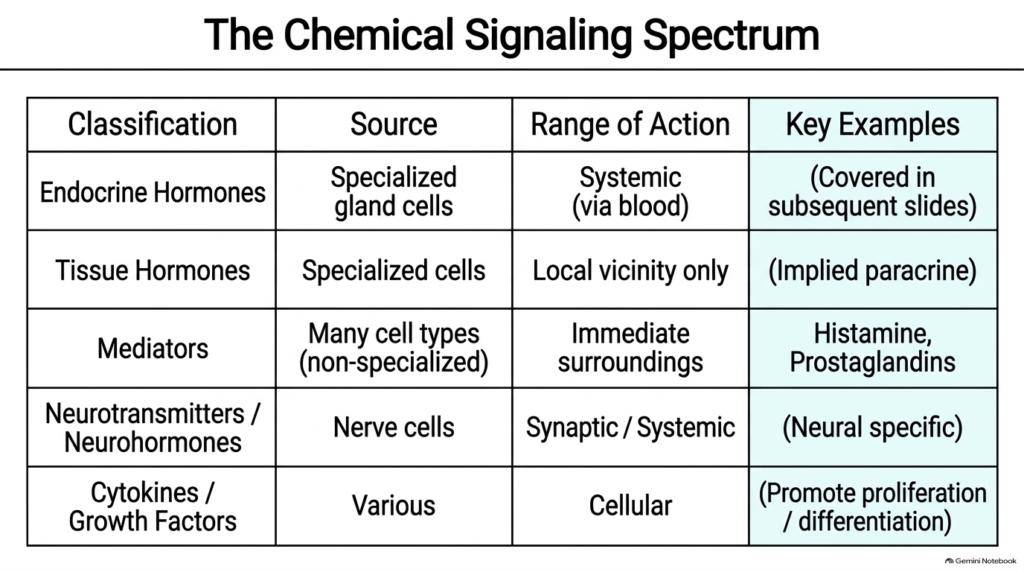
Biological communication relies on a broad continuum of signaling molecules that extend beyond classic endocrine messengers. In hormone biochemistry, researchers classify these chemical agents by their cellular source, range of action, and physiological roles. Classic endocrine hormones travel systemically through the blood, whereas tissue hormones act within local cellular neighborhoods. Meanwhile, mediators such as histamine and prostaglandins originate from non-specialized cell types to exert immediate local effects. Understanding hormone biochemistry requires mapping these diverse molecular classes across the entire signaling spectrum.
Neurotransmitters and neurohormones represent another crucial category, originating in specialized nerve cells to transmit electrical-chemical messages across synaptic junctions or into systemic circulation. Additionally, cytokines and growth factors produced by various cell types stimulate cell proliferation and differentiation. When studying hormone biochemistry, medical students must recognize that the boundaries between these chemical classes are often fluid. A single molecule can act as a neurotransmitter in the brain while serving as an endocrine messenger in the bloodstream.
This classification framework illustrates how chemical architecture dictates functional range throughout the body. The biochemistry of hormones shows that a molecule’s source and transport pathway determine whether a signal acts globally or locally. By mastering this signaling spectrum, students build a versatile conceptual framework for analyzing complex physiological communication networks across human biology.
Slide 4: Structural Classes and the Biochemistry of Hormones
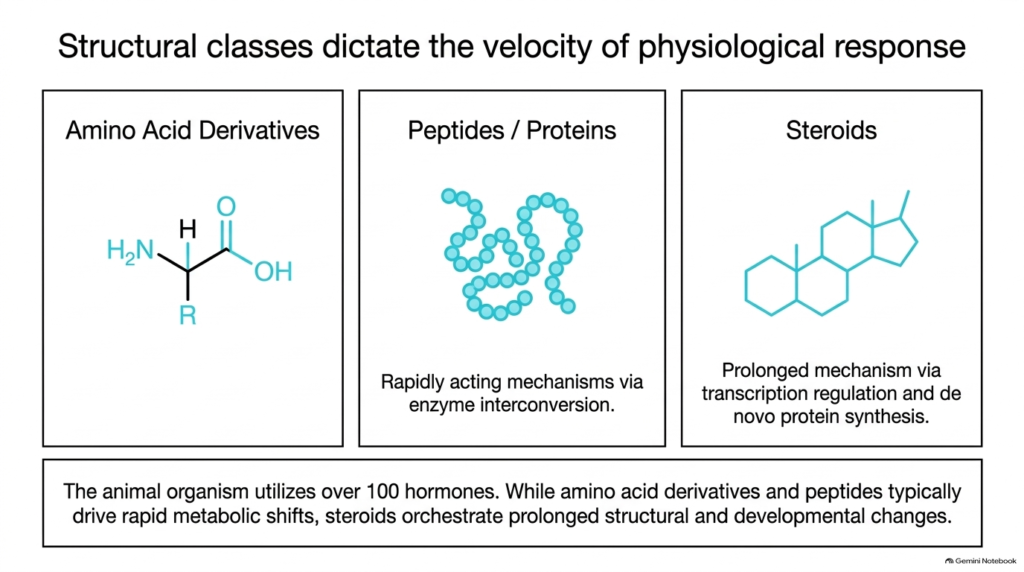
A signaling molecule’s molecular structure determines its physical properties, transport behavior, and cellular mechanism of action. A core topic in hormone biochemistry is grouping messengers into primary structural categories: amino acid derivatives, peptides or proteins, and steroids. Peptides and amino acid derivatives generally have high water solubility, allowing them to remain free in blood plasma. Conversely, steroid hormones derived from cholesterol are lipophilic and require carrier proteins for transport. Exploring hormone biochemistry highlights how these structural differences dictate distinct physiological roles.
Water-soluble peptide hormones cannot cross the hydrophobic lipid bilayer of cell membranes on their own. Consequently, they bind surface receptors on target cells to initiate rapid intracellular cascade reactions. In contrast, lipophilic steroid hormones readily pass through plasma membranes to bind intracellular receptors and directly alter gene transcription in the nucleus. By investigating hormone biochemistry, students see that structural classification directly predicts signal speed, receptor location, and cellular outcome. Steroids drive long-term transcriptional changes, whereas peptide hormones mediate immediate metabolic modifications.
Furthermore, chemical structure dictates synthetic pathways within glandular cells. Protein hormones undergo ribosomal translation and vesicle packaging, whereas steroid hormones require enzymatic modification of a cholesterol backbone inside specialized organelle membranes. Hormone biochemistry connects chemical structure with cellular synthesis and physiological response.
Slide 5: Four Domains of Systemic Regulation in the Biochemistry of Hormones
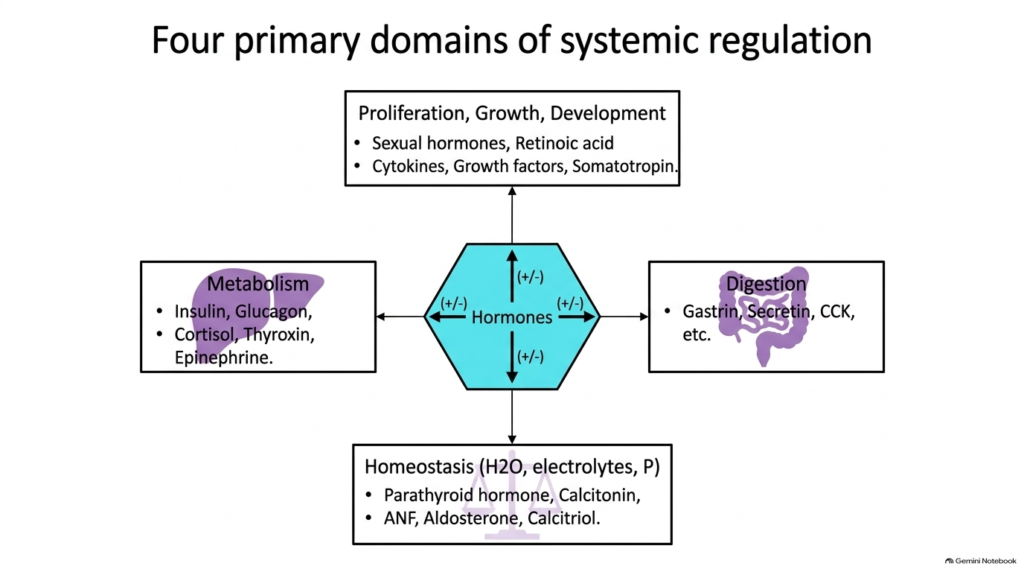
Systemic physiological control concentrates around four primary functional domains: cell proliferation, digestive activity, metabolic regulation, and ion homeostasis. In hormone biochemistry, these core areas are the main arenas where chemical signaling sustains human life. Growth and development rely on sexual hormones, retinoic acid, cytokines, and somatotropin to govern tissue differentiation over extended periods. Meanwhile, gastrointestinal hormones such as gastrin, secretin, and cholecystokinin direct digestive function. Hormone biochemistry provides the overarching framework that connects these distinct physiological domains into a unified survival system.
Metabolic control demands rapid adjustments in response to fluctuating energy availability. Hormones like insulin, glucagon, epinephrine, cortisol, and thyroxine regulate central energy pathways, balancing glucose storage against nutrient degradation. At the same time, homeostatic mechanisms control water, phosphate, and electrolyte concentrations in body fluids. Parathyroid hormone, calcitonin, aldosterone, and calcitriol act on renal and skeletal tissues to preserve strict ionic boundaries. Analyzing hormone biochemistry reveals how these chemical messengers simultaneously adjust energy supply, digestive processing, and ionic balance without conflict.
Ultimately, these four operational domains demonstrate the remarkable versatility of endocrine regulation. Hormone biochemistry ensures that metabolic energy generation aligns with cellular growth, ion retention, and nutrient absorption. Medical students must appreciate how cross-talk between these domains preserves systemic equilibrium under changing external conditions.
Slide 6: Metabolic Regulation Pathways in the Biochemistry of Hormones
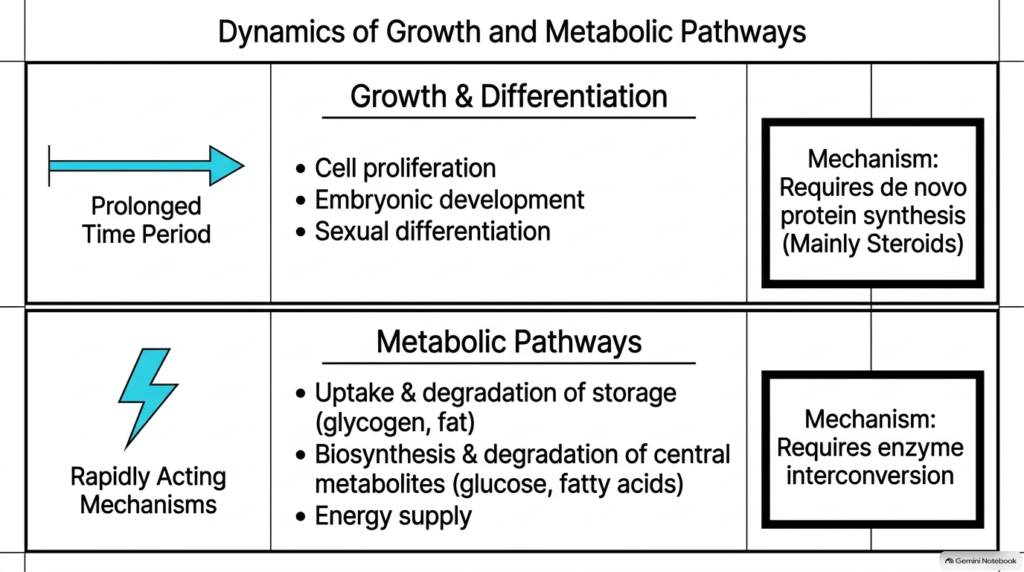
Metabolic pathways require ultra-fast regulatory mechanisms to match cellular energy demands with variable nutrient intake. A major highlight in hormone biochemistry is how signaling molecules rapidly alter metabolic activity through enzyme interconversion. Key hormones regulate glycogen and fat storage and breakdown, as well as glucose and fatty acid synthesis and degradation. Insulin promotes nutrient storage after meals, whereas glucagon and epinephrine mobilize energy reserves during fasting or exercise. Studying hormone biochemistry shows how precise enzymatic shifts maintain steady blood glucose concentrations.
Enzyme interconversion typically involves reversible covalent modifications, such as phosphorylation and dephosphorylation reactions. When glucagon binds liver cell receptors, it triggers intracellular cascades that activate protein kinases, phosphorylating key glycogenolytic enzymes to release glucose into circulation. Conversely, insulin activates phosphatases that reverse these modifications, storing excess glucose as glycogen. The biochemistry of hormones explains how these opposing chemical signals coordinate reciprocal metabolic pathways, preventing wasteful synthetic and degradation cycles from occurring simultaneously within the same cell tissue.
Longer-acting metabolic regulators like thyroxin and cortisol complement these rapid enzymatic shifts by altering overall metabolic rate and gene expression. Hormone biochemistry shows that human cells maintain seamless energy balance by combining immediate covalent enzyme modifications with sustained transcriptional adjustments.
Slide 7: Homeostasis, Digestion, and Hierarchy in the Biochemistry of Hormones
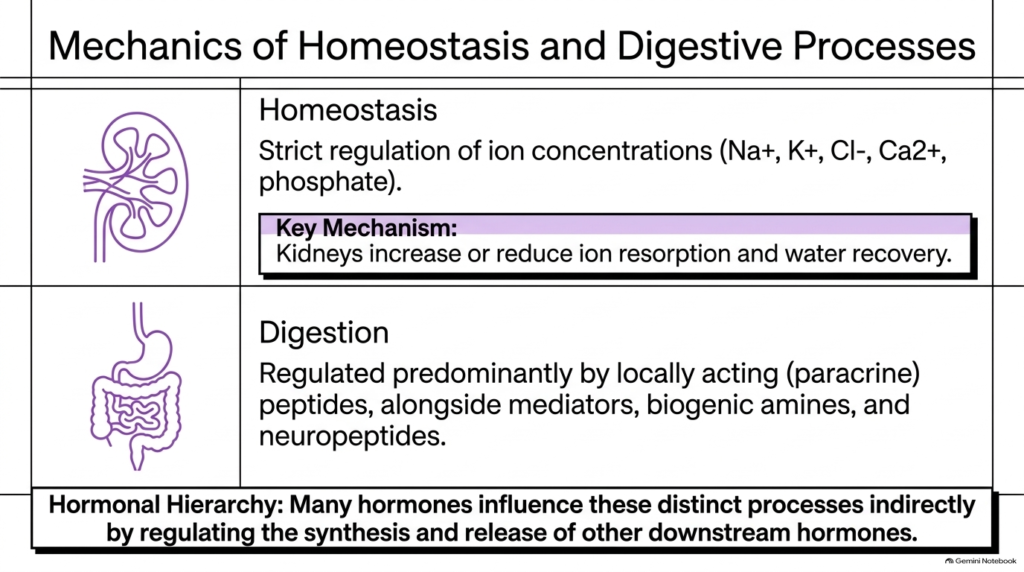
Maintaining precise ion balances and managing digestive workflows require specialized organ actions and hierarchical control. A key theme in hormone biochemistry is how renal tissues tightly regulate sodium, potassium, chloride, calcium, and phosphate ions. Hormones like aldosterone and parathyroid hormone act directly on kidney nephrons, increasing or decreasing ion resorption and water recovery to stabilize blood volume and pressure. In the digestive tract, locally acting paracrine peptides, biogenic amines, and neuropeptides coordinate nutrient breakdown. Hormone biochemistry shows how organ-specific actions preserve bodily fluids and metabolic health.
Beyond direct tissue actions, endocrine systems often use a structured hormonal hierarchy. Superior glands release tropic hormones that stimulate secondary target glands to synthesize downstream messengers. For instance, hypothalamic releasing factors trigger pituitary hormone secretion, which subsequently stimulates peripheral glands like the adrenal cortex or thyroid. In hormone biochemistry, this multi-tiered architecture provides essential feedback loops that amplify signals while preventing excessive hormone release through tight regulatory control mechanisms.
By integrating hierarchical control with target organ responses, the body achieves remarkable physiological stability. Hormone biochemistry shows that hierarchical feedback loops prevent drastic hormonal fluctuations, ensuring ion retention, fluid balance, and gastrointestinal processing adapt smoothly to environmental stressors.
Slide 8: The Lifecycle of a Signal in the Biochemistry of Hormones
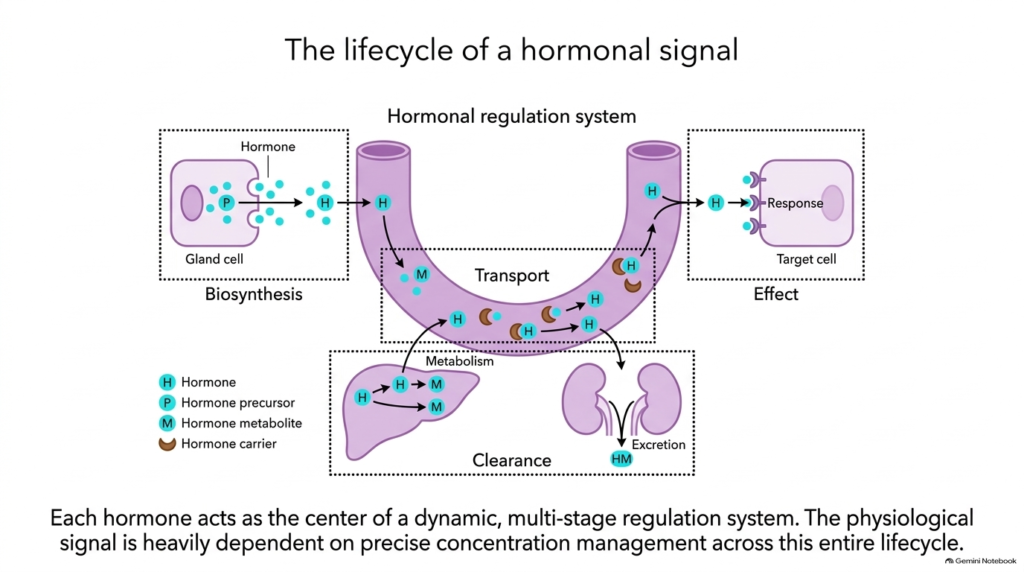
Every hormone operates at the center of a dynamic, highly regulated life sequence that dictates signal intensity and duration. In hormone biochemistry, this full operational path includes precursor synthesis, systemic transport, target cell activation, enzymatic inactivation, and final excretion. Glandular cells synthesize messengers from distinct biochemical precursors. Once released into circulation, hormones must reach target tissues to induce specific physiological effects. Studying hormone biochemistry through this lifecycle model emphasizes that circulating signal strength depends on the equilibrium between release and clearance rates.
After a hormone exerts its biological effect, the signaling process must terminate to prevent overstimulation. Inactivation occurs primarily through enzymatic degradation in the liver, transforming active hormones into inactive metabolites. The kidneys then filter these metabolites from plasma for final excretion in urine. In hormone biochemistry, signal clearance is an active control point rather than a passive decay process. If hepatic degradation or renal excretion slows, hormone levels accumulate in the blood, potentially leading to endocrine disorders.
Medical students must understand that systemic hormone concentration directly reflects this delicate balance between glandular release and organ clearance. The biochemistry of hormones shows that physiological stability relies as much on efficient signal elimination as on rapid hormone synthesis and release.
Slide 9: Precursor Synthesis and Systemic Release in the Biochemistry of Hormones
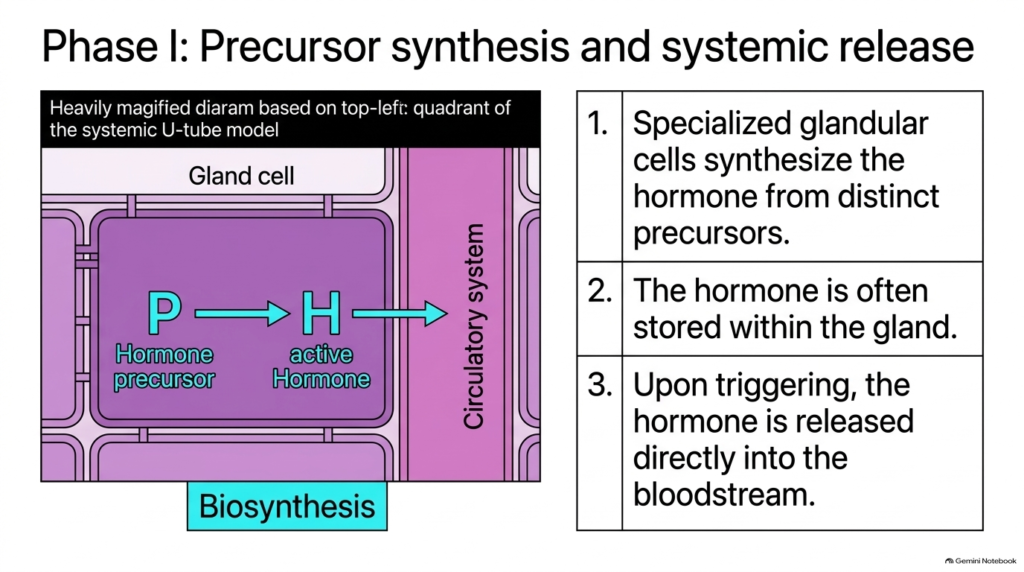
The initial phase of the hormonal lifecycle begins within specialized glandular cells responsible for precursor biosynthesis and controlled release. A fundamental concept in hormone biochemistry is the multi-step enzymatic construction of active messengers from simpler precursor molecules. For peptide hormones, ribosomal translation produces larger preprohormones that undergo proteolytic cleavage inside the endoplasmic reticulum and Golgi apparatus. In hormone biochemistry, these inactive pro-hormone intermediates ensure potent signaling molecules remain safely stored inside glandular cells until specific physiological triggers mandate systemic release.
Following precursor processing, glandular cells package mature active hormones into membrane-bound secretory vesicles for organized storage. When an appropriate physiological stimulus arrives, intracellular calcium influx or secondary messenger pathways trigger exocytosis, discharging stored hormones directly into adjacent capillary beds. In hormone biochemistry, this pre-packaged storage strategy enables immediate, large-scale hormone release without requiring time-consuming de novo protein synthesis. Consequently, endocrine glands can adapt to acute physical stress, environmental changes, or sudden metabolic shifts within moments.
Understanding these synthesis and release mechanics helps students grasp endocrine pharmacology, metabolic disorders, and diagnostic testing. The biochemistry of hormones shows how genetic mutations in precursor-cleavage enzymes or vesicle-transport proteins impair normal hormone secretion, resulting in severe clinical conditions such as juvenile diabetes or congenital hypothyroidism.
Slide 10: Plasma Transport Mechanics in the Biochemistry of Hormones
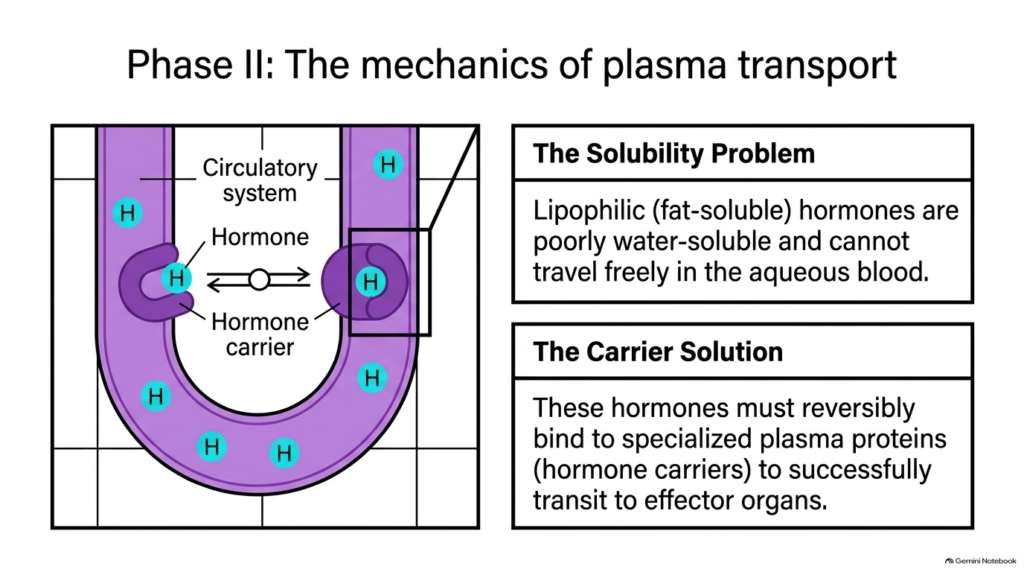
Once hormones enter the bloodstream, their chemical properties dictate how they travel through the aqueous environment of blood plasma. A major physical challenge in hormone biochemistry is the solubility problem facing lipophilic messengers. Steroid and thyroid hormones possess poor water solubility, preventing them from dissolving freely in aqueous plasma. To overcome this transport barrier, lipophilic signaling molecules reversibly bind to specialized carrier proteins synthesized by the liver. Analyzing hormone biochemistry shows how carrier proteins overcome solubility limitations while creating a circulating hormone reservoir.
Hormone carrier proteins include specific globulins, such as thyroid-binding globulin and transcortin, as well as general carriers like serum albumin. Binding between carrier proteins and lipophilic hormones follows reversible mass-action equilibrium kinetics. Only the small fraction of unbound, free hormone can diffuse across capillary walls to engage target cell receptors. In hormone biochemistry, the bound fraction acts as a buffer, releasing free hormone when blood concentrations drop. This carrier mechanism prolongs hormone half-life by protecting bound molecules from rapid hepatic degradation.
Conversely, hydrophilic peptide hormones travel freely dissolved in plasma and have shorter circulating half-lives because of rapid renal filtration and enzymatic decay. Hormone biochemistry shows how transport mechanisms directly govern the duration, stability, and tissue availability of circulating signaling molecules throughout the body.
Slide 11: Receptor Binding and Cellular Effects in the Biochemistry of Hormones
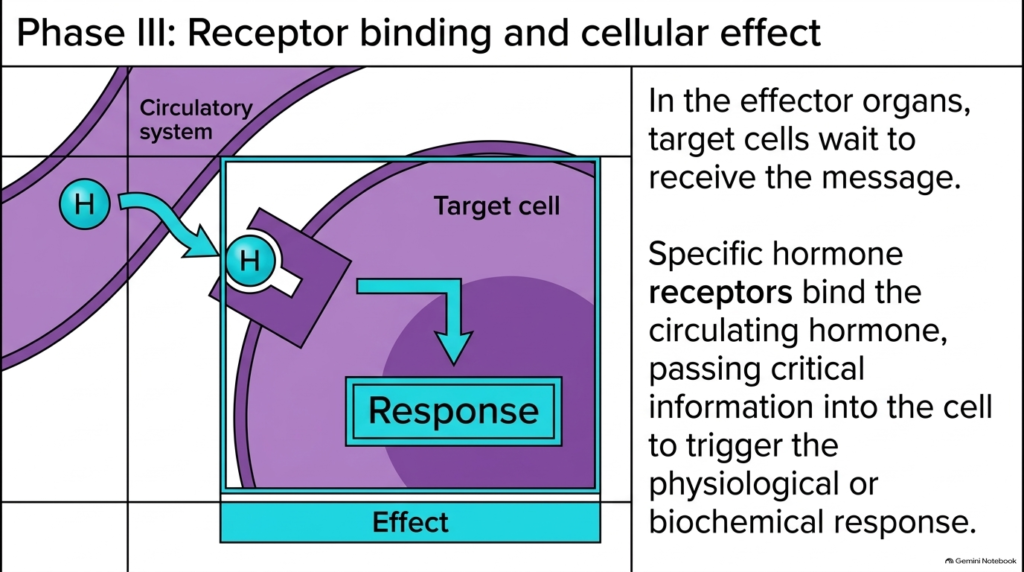
Endocrine communication achieves its purpose when a circulating hormone delivers its signal to target cell receptors. A pivotal chapter in hormone biochemistry explains how receptor binding translates extracellular messages into specific intracellular responses. Target cells express high-affinity receptors that selectively bind matching hormone structures even at nanomolar blood concentrations. Hydrophilic peptides bind cell-surface transmembrane receptors, whereas lipophilic steroids cross cell membranes to bind cytosolic or nuclear receptors. Hormone biochemistry shows how receptor location dictates the signaling cascade that follows.
Cell-surface receptor binding activates G-proteins or receptor tyrosine kinases, generating secondary messengers like cyclic AMP, inositol trisphosphate, or calcium ions. These secondary messengers trigger phosphorylation cascades that rapidly alter metabolic enzyme activity without changing gene transcription. Conversely, steroid hormone activation of nuclear receptors forms hormone-receptor complexes that bind specific DNA response elements, directly modifying transcription and protein synthesis. In hormone biochemistry, these dual pathways explain why peptide signals act in seconds, while steroid responses develop over hours or days.
Receptor density and binding affinity also change dynamically with circulating hormone levels. Hormone biochemistry shows how target cells down-regulate or up-regulate receptors to modulate tissue sensitivity, protecting cells against chronic hormone excess or enhancing responsiveness during hormone deficiency.
Slide 12: Signal Termination Mechanics in the Biochemistry of Hormones
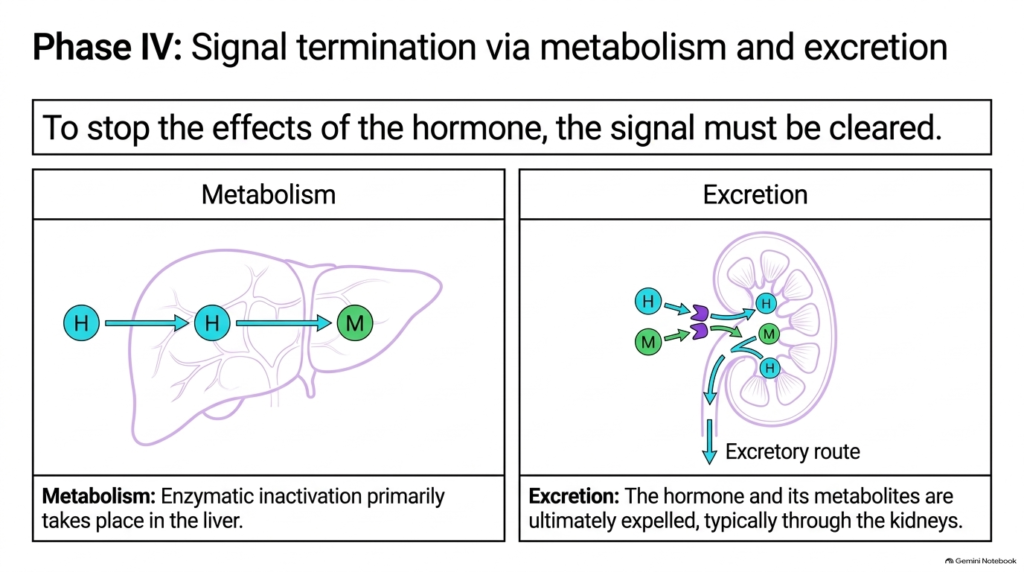
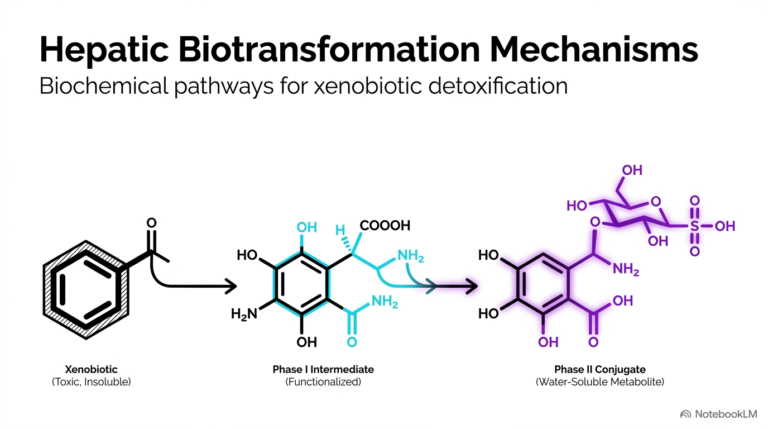
To maintain precise physiological control, endocrine signals must be cleared efficiently once they have delivered their message to target tissues. A fundamental aspect of hormone biochemistry is signal termination through metabolic inactivation and renal excretion. The liver serves as the primary metabolic organ responsible for inactivating circulating hormones through specialized enzymatic transformations. Reactions like hydroxylation, reduction, and conjugation with glucuronic acid or sulfate transform active hydrophobic hormones into inactive, water-soluble metabolites. Hormone biochemistry shows that metabolic clearance prevents continuous, unwanted target-cell stimulation.
After hepatic transformation, water-soluble hormone metabolites re-enter the bloodstream for final clearance by the renal system. The kidneys filter these inactivated compounds through the glomeruli and excrete them from the body in urine. Additionally, target cells internalize receptor-bound peptide hormones through endocytosis and degrade them in lysosomes to recycle amino acids. In hormone biochemistry, this dual hepatic-renal clearance system ensures that blood hormone concentrations accurately reflect real-time glandular secretion rates, maintaining dynamic signal responsiveness across varying physiological conditions.
Clinical conditions like cirrhosis or kidney failure impair these clearance mechanisms, leading to abnormal hormone accumulation and endocrine dysfunction. Studying hormone biochemistry helps medical students understand how hepatic metabolic health and renal filtration directly influence systemic endocrine balance and disease presentation.
Slide 13: Integrated Regulation Systems in the Biochemistry of Hormones
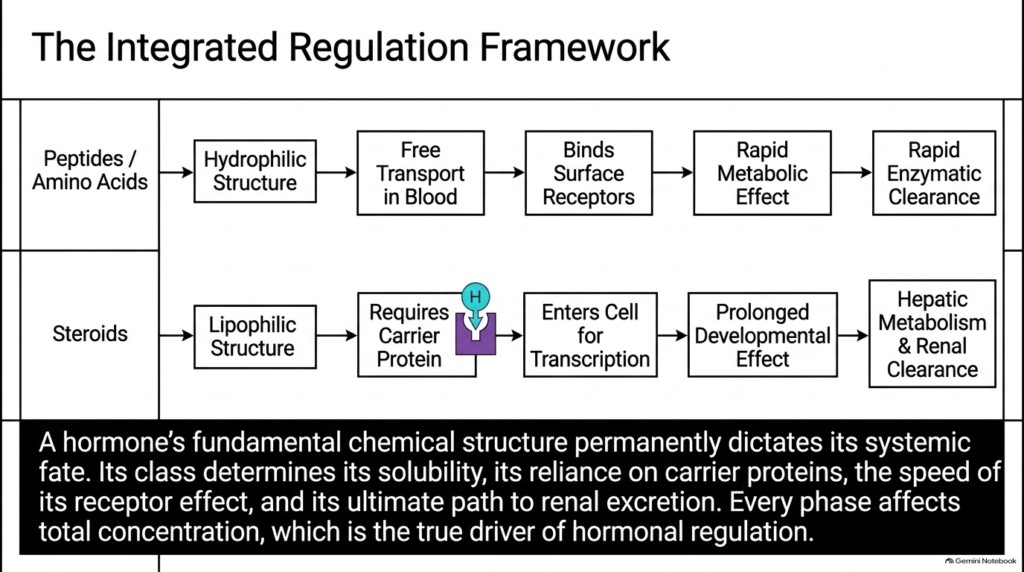
Synthesizing the complete hormonal lifecycle highlights how individual signaling steps form an integrated, self-regulating biological system. The overarching principle in hormone biochemistry is that homeostatic control relies on a precise balance among hormone synthesis, plasma transport, receptor activation, and enzymatic clearance. Negative feedback loops operate at every level of this system, allowing target cell responses to signal back to endocrine glands and adjust further release. Understanding hormones as a dynamic, interconnected biochemical network is essential for evaluating complex endocrine physiology.
When physiological disturbances alter blood hormone levels, feedback mechanisms rapidly restore equilibrium. For instance, rising blood glucose stimulates pancreatic insulin secretion; as insulin promotes tissue glucose uptake, falling glucose levels signal pancreatic beta cells to reduce insulin release. In hormone biochemistry, these tight regulatory loops prevent extreme physiological swings, keeping plasma variables within strict homeostatic ranges. Furthermore, multi-gland hierarchies incorporate multiple feedback checkpoints, providing redundancy and fine-tuned control over vital bodily functions.
Ultimately, mastering this integrated framework empowers students to analyze endocrine pathology, diagnostic lab testing, and targeted pharmacology. Hormone biochemistry shows that health depends on harmonious coordination across every phase of the hormonal lifecycle, from microscopic gene expression to whole-body organ integration.
Please read our Content Disclaimer Statement.
Check out our social media channels: