141. The Biochemistry of Macronutrients: Proteins, Carbohydrates, and Fats
Every single day, your body processes millions of chemical reactions just to keep you thinking, moving, and breathing. Have you ever wondered how the food on your plate actually turns into cellular power and physical tissue? This slide deck breaks down the foundational science of macronutrients for college and medical students. We will explore how proteins, carbohydrates, and fats serve as structural building blocks, metabolic fuels, and chemical signals. By understanding these core concepts, you will gain a clear picture of human energy dynamics and essential nutrition.
Slide 1: Introduction to Macronutrients in Human Physiology
Macronutrients form the essential chemical foundation of human survival, cellular growth, and systemic bioenergetics. In nutritional biochemistry, these organic compounds are categorized into three primary structural classes: proteins, carbohydrates, and fats. Each distinct class performs specialized biological functions that support cellular integrity, catalyze enzymatic reactions, and fuel physiological work across all human organ systems.
Understanding how macronutrients operate requires examining their unique molecular architectures and metabolic pathways. While carbohydrates provide rapid cellular fuel and fats provide dense, long-term energy storage, proteins supply the essential amino acid backbones needed for structural tissue synthesis and cellular repair. Operating together, these core organic molecules maintain daily physiological homeostasis and drive vital human metabolic processes.
This introductory overview sets the necessary stage for exploring how human cells process, absorb, and prioritize these vital nutrients. As future healthcare professionals and scientists, analyzing macronutrients helps explain why specific dietary intake proportions directly impact human health, physical performance, and chronic disease prevention. This foundational knowledge allows us to evaluate human daily energy requirements and cellular bioenergetics effectively.
Ultimately, mastering the biochemical principles of macronutrients empowers clinicians and researchers to interpret dietary data, address metabolic dysfunctions, and optimize patient care. As we proceed through these slides, pay close attention to how chemical structure dictates biological function and bioenergetics.
Slide 2: Total Daily Output and Input Ratios of Macronutrients

Maintaining human energy balance requires matching total daily caloric expenditure with appropriate caloric input from dietary macronutrients. On average, an adult female requires approximately 9,200 kilojoules (2,200 kilocalories) per day, whereas an adult male needs roughly 12,600 kilojoules (3,000 kilocalories) daily to maintain weight and basal function. High-performance competitive athletes may require up to 17,000 kilojoules per day to sustain intense physical training and tissue recovery.
To meet these vast energetic demands, standard dietary guidelines distribute daily energy intake across the three primary macronutrients. Carbohydrates represent the largest proportion at 50 to 55 percent of total intake, fats account for 30 percent, and dietary proteins comprise 15 to 20 percent. This balanced input proportion ensures steady blood glucose availability while preserving structural protein stores and necessary lipid reserves for cellular signaling.
It is also critical to consider secondary caloric contributors such as ethanol present in alcoholic beverages. Ethanol supplies a substantial 30 kilojoules per gram, representing a frequently overlooked source of dietary energy. Managing macronutrient intake proportions remains essential for balancing systemic bioenergetics, optimizing metabolic performance, and preventing metabolic disorders in human populations.
Proper allocation of these daily energy sources ensures that metabolic tissues receive appropriate substrate ratios for ongoing cellular respiration. Furthermore, understanding input proportions allows healthcare professionals to tailor nutritional interventions for diverse clinical populations and athletic demands effectively.
Slide 3: Thermodynamic Metrics and Storage Efficiency of Macronutrients
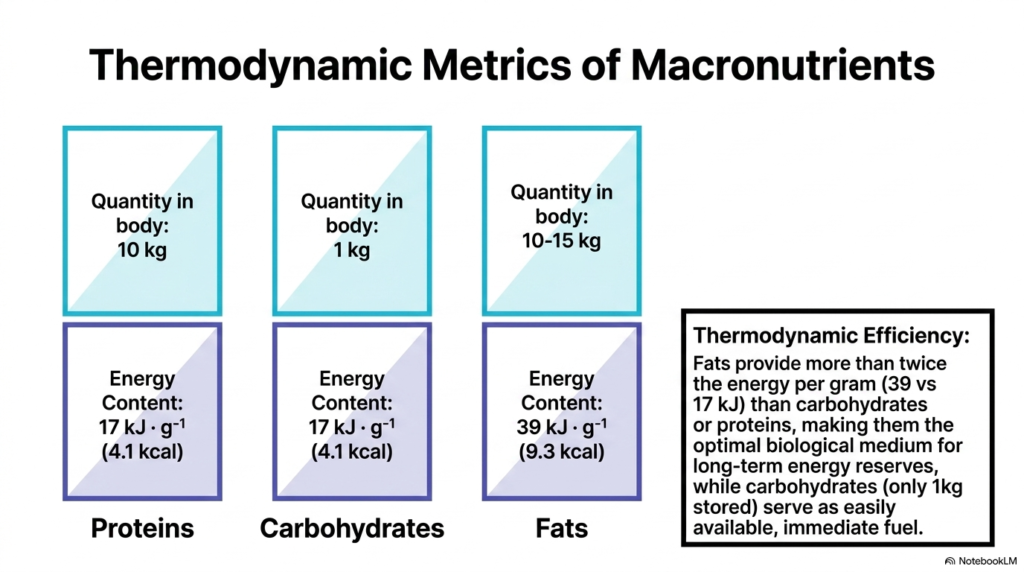
The human body stores and utilizes macronutrients according to strict thermodynamic principles and biological requirements. In a healthy adult, cells store about 10 kilograms of protein and 10 to 15 kilograms of fat, but only 1 kilogram of total carbohydrates. These storage volumes directly reflect the distinct physiological roles, hydration requirements, and energy densities characteristic of each nutrient class.
From an energetic perspective, macronutrients yield vastly different calories per gram of oxidized substance. Dietary proteins and carbohydrates both deliver 17 kilojoules per gram (4.1 kilocalories). In contrast, fats yield 39 kilojoules per gram (9.3 kilocalories), providing more than twice the thermodynamic energy per unit mass of the other primary energy sources.
This incredible caloric density makes fats the optimal biological medium for long-term energy storage without adding unnecessary water weight. Meanwhile, the modest 1-kilogram carbohydrate reserve acts as an immediate, rapidly accessible fuel source for high-intensity cellular demands. Understanding these thermodynamic metrics of macronutrients highlights how human cells balance immediate metabolic responsiveness with long-term survival reserves across changing physiological states.
By evaluating the relationship between storage mass and caloric density, medical students can better appreciate metabolic adaptations during fasting, exercise, and starvation. Thermodynamically, adipose tissue stores maximize chemical energy efficiency while minimizing anatomical bulk in the human frame.
Slide 4: Endogenous Synthesis Limits and Essential Macronutrients
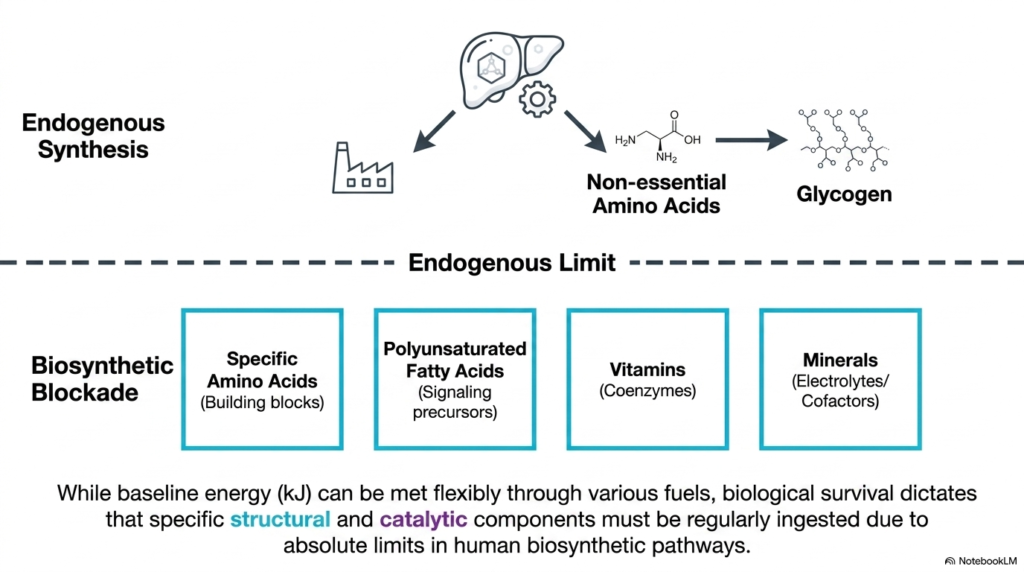
Human liver cells possess extensive biosynthetic capabilities, yet internal metabolic pathways operate within clear biochemical boundaries. Through endogenous synthesis pathways, the liver converts metabolic intermediates into non-essential amino acids and stores excess blood glucose as glycogen reserves. These continuous liver processes demonstrate how the body manages internal resources to maintain metabolic stability during fluctuating nutritional states.
However, human cells encounter an absolute biosynthetic blockade regarding specific dietary macronutrients and associated micronutrients. Human enzymes cannot synthesize specific amino acids, polyunsaturated fatty acids, vitamins, and minerals. Because human metabolic pathways lack the enzymes needed to build these complex carbon backbones and active coenzymes, regular dietary intake is mandatory for survival.
While total energy demands can be met flexibly by substituting calorie sources, structural and catalytic requirements are non-negotiable. Essential macronutrients provide the mandatory structural units that human biochemistry cannot manufacture from scratch. Recognizing these biosynthetic limits helps students understand nutritional deficiency states, metabolic pathway intersections, and evidence-based clinical nutrition strategies.
Understanding this biological limit clarifies why caloric sufficiency alone is insufficient for long-term health. Without acquiring essential macronutrients, cellular repair mechanisms fail, predisposing the body to specific metabolic disorders. Thus, clinical evaluation must always consider nutrient quality alongside total caloric energy.
Slide 5: Metabolic Fate and Quality Metrics of Protein Macronutrients
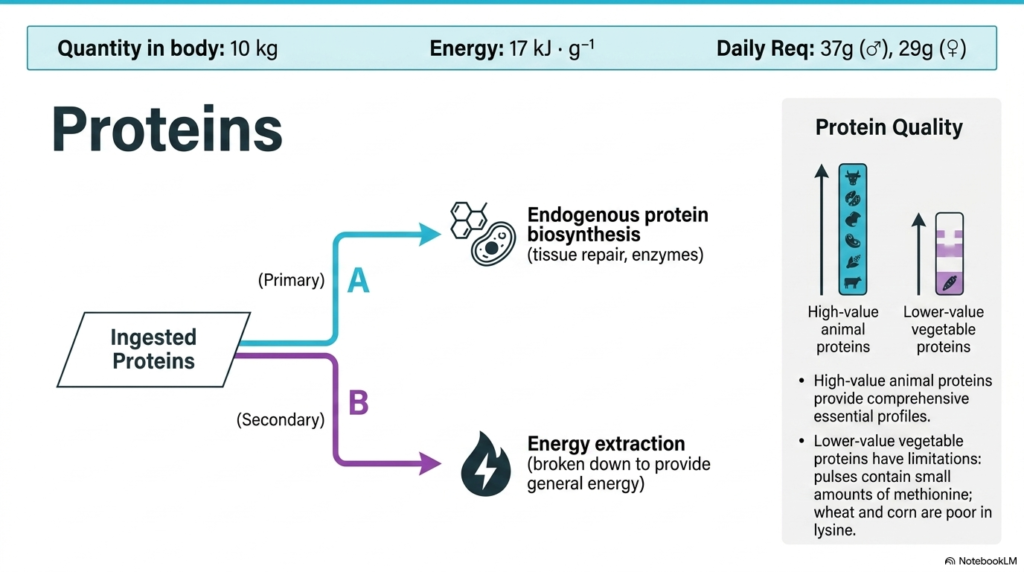
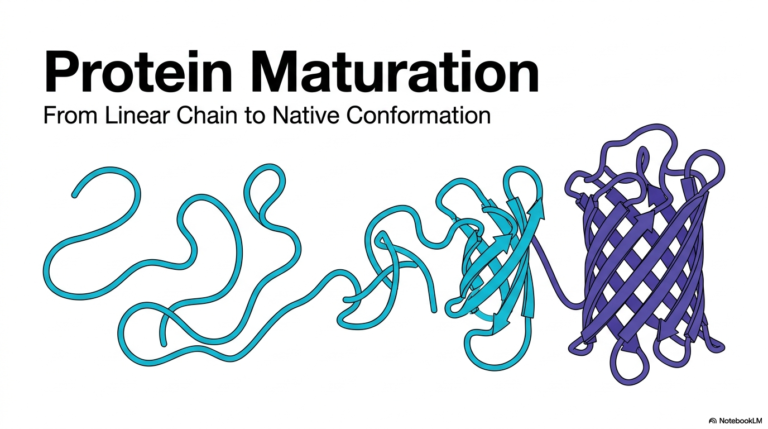
Proteins account for about 10 kilograms of total body mass, delivering 17 kilojoules per gram of energy, with baseline daily requirements of 37 grams for males and 29 grams for females. Ingested dietary proteins follow two distinct physiological pathways. The primary pathway directs absorbed amino acids toward endogenous protein biosynthesis for ongoing tissue repair, enzyme production, and structural maintenance.
When cellular energy demands increase or protein intake exceeds structural needs, a secondary pathway breaks down these molecules for direct energy extraction. Beyond simple metabolic routing, evaluating dietary macronutrients requires assessing protein quality based on amino acid composition. High-value animal proteins provide complete essential amino acid profiles, whereas lower-value vegetable proteins have specific amino acid limitations that reduce overall biological utility.
For instance, legume proteins contain relatively low concentrations of methionine, while cereal grains like wheat and corn are poor in lysine. Combining complementary plant food sources resolves these individual deficits to satisfy human physiological requirements. Analyzing protein quality shows how amino acid availability affects how effectively human tissues use dietary macronutrients for repair and bioenergetics.
In clinical practice, assessing protein quality is vital for designing balanced diets for vegetarians, elderly patients, and individuals recovering from major surgery. High-quality protein macronutrients ensure that target tissues receive sufficient nitrogen and essential building blocks for optimal protein synthesis.
Slide 6: Essential Amino Acids and Substitution Pathways in Macronutrients
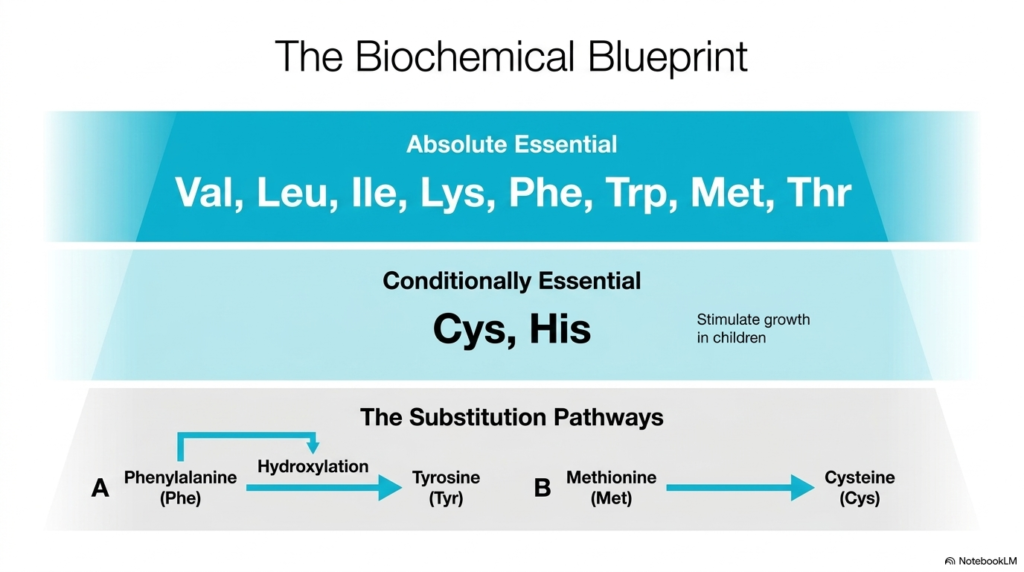
At the molecular level, protein macronutrients supply the twenty standard amino acids required for cellular peptide synthesis. Eight of these monomeric units are classified as absolute essential amino acids: valine, leucine, isoleucine, lysine, phenylalanine, tryptophan, methionine, and threonine. Because human cells lack the enzymatic pathways to synthesize these complex carbon backbones, they must be continuously supplied through the diet.
Two additional amino acids, cysteine and histidine, are designated as conditionally essential under specific physiological conditions. Histidine is particularly vital during infant and child development, stimulating rapid cell growth and tissue formation. Furthermore, human metabolism utilizes dedicated substitution pathways to convert specific essential amino acid precursors into related non-essential amino acids when dietary intake fluctuates.
For example, phenylalanine undergoes enzymatic hydroxylation to form tyrosine, while methionine donates sulfur and carbon to synthesize cysteine. Understanding these metabolic substitution pathways clarifies how human tissues optimize amino acid pools derived from dietary macronutrients. This elegant biochemical blueprint emphasizes the essential relationship between dietary protein consumption and endogenous protein assembly.
Medical students must grasp these precursor-product relationships to comprehend genetic metabolic disorders like phenylketonuria. When substitution pathways fail, specific non-essential amino acids become conditionally essential macronutrients that must be supplied directly through careful dietary management.
Slide 7: The Glucogenic Funnel for Amino Acid Macronutrients
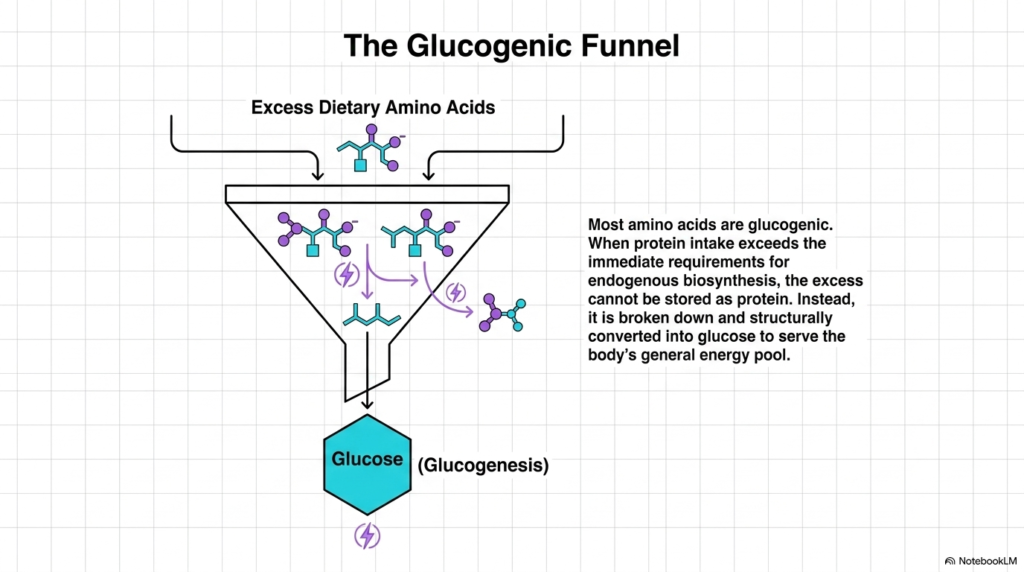
Unlike carbohydrates and fats, excess amino acids from protein macronutrients cannot be stored in specialized anatomical storage tissue for later use. When dietary protein intake exceeds the body’s immediate structural needs for cellular repair and enzyme synthesis, the body directs these excess nitrogenous molecules into a centralized metabolic pathway known as the glucogenic funnel.
Most standard amino acids are classified as glucogenic in human hepatic tissue. During hepatic processing, the amino groups are removed through transamination and deamination reactions, and the remaining carbon skeletons enter gluconeogenesis. Through this pathway, structural amino acids are systematically transformed into glucose to sustain blood sugar concentrations and replenish the general cellular energy pool.
This glucogenic pathway demonstrates the remarkable metabolic flexibility of the human body during periods of high protein consumption or carbohydrate starvation. Converting surplus amino acids into circulating glucose ensures the central nervous system receives a continuous fuel supply. Thus, the glucogenic funnel converts excess structural molecules into essential energetic currency for cellular survival.
Understanding this funnel provides key insights into metabolic conditions such as prolonged fasting and high-protein athletic conditioning. By converting extra amino acid macronutrients into glucose, the liver prevents nitrogen toxicity while maintaining systemic metabolic stability during fluctuating dietary conditions.
Slide 8: Structural Classes and Functional Roles of Carbohydrate Macronutrients
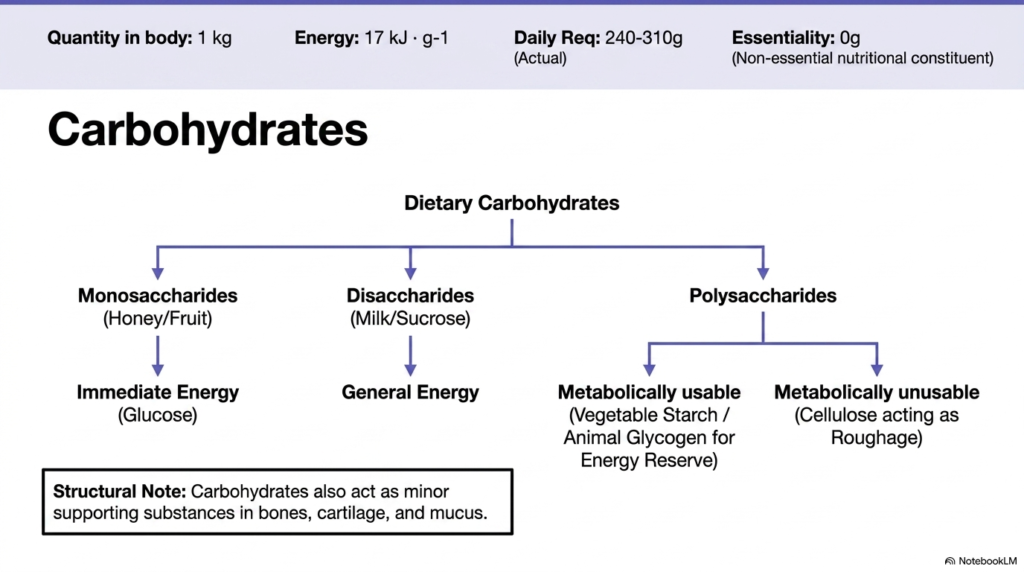
Carbohydrates are the primary rapid energy source among dietary macronutrients, with a modest total body pool of about 1 kilogram and an energy density of 17 kilojoules per gram. Typical daily requirements range between 240 and 310 grams. Structurally, dietary carbohydrates are classified into monosaccharides, disaccharides, and complex polysaccharides based on their degree of polymerization and sugar chain length.
Monosaccharides such as glucose and fructose from honey or fruit provide immediate fuel for cellular respiration. Disaccharides like sucrose and lactose provide energy after enzymatic hydrolysis in the digestive tract. Complex polysaccharides divide into metabolically usable forms, such as plant starch and animal glycogen reserves, and metabolically unusable cellulose, which provides dietary roughage to promote healthy intestinal motility.
Beyond energy production, carbohydrates perform minor structural roles as supporting components within connective tissue matrices, cartilage, bone scaffolding, and protective mucus secretions. Although carbohydrates are non-essential macronutrients because the liver can generate glucose via gluconeogenesis, they remain the most biochemically efficient fuel source for rapid cellular energy production.
In clinical bioenergetics, understanding carbohydrate digestion and transport is fundamental for managing conditions like diabetes mellitus and metabolic syndrome. Choosing complex carbohydrate macronutrients over simple sugars helps maintain stable glycemic control and supports sustained cellular energy output.
Slide 9: The Triad of Functional Roles for Fat Macronutrients
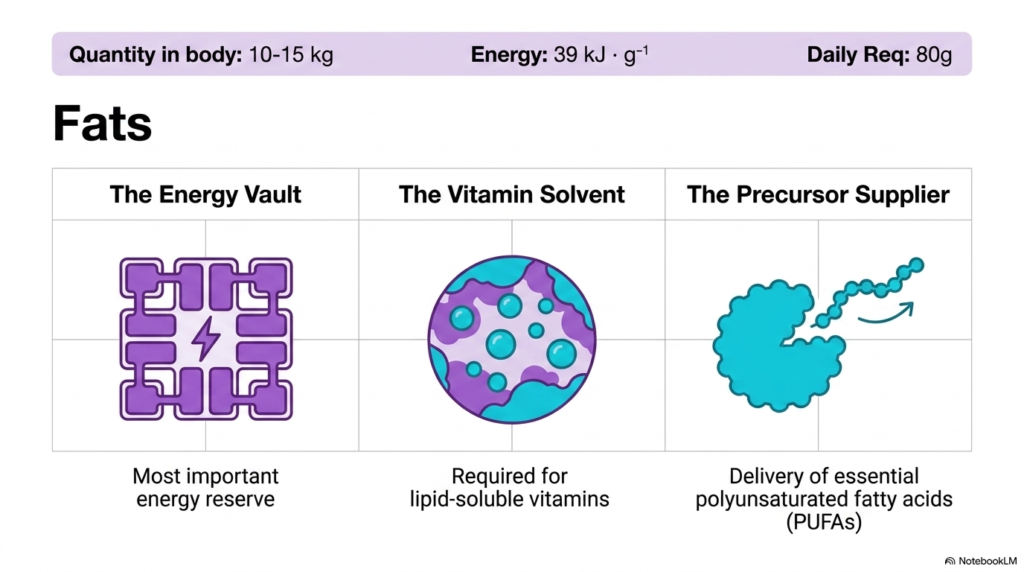
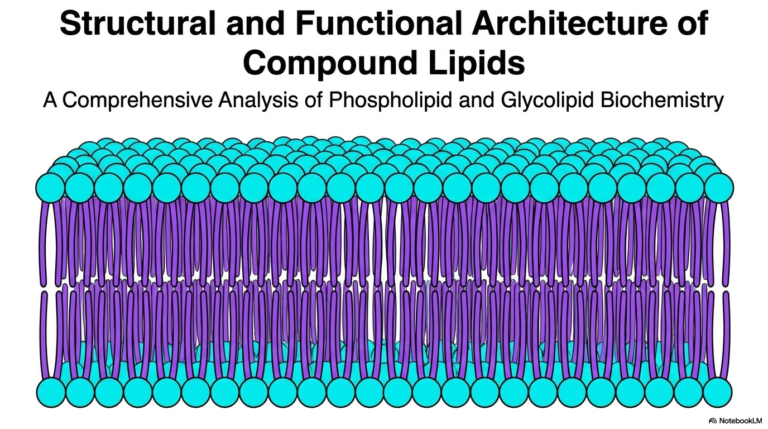
Fats are the most energy-dense dietary macronutrient, providing 39 kilojoules per gram and a standard daily intake of 80 grams. Maintained in adipose tissue at 10 to 15 kilograms in a typical adult, lipids fulfill three indispensable physiological functions across human organ systems: acting as an energy vault, a vitamin solvent, and a precursor supplier.
First, as the body’s primary energy vault, lipid stores provide substantial energy reserves that support metabolic survival during prolonged fasting or starvation. Second, lipids function as an essential biological solvent required for the intestinal absorption, circulatory transport, and cellular storage of fat-soluble vitamins, specifically vitamins A, D, E, and K, across hydrophobic cellular membranes.
Third, dietary lipids supply essential polyunsaturated fatty acids that human enzymes cannot produce endogenously. Together, these three functions show why fat macronutrients are far more than passive energy storage. They represent vital structural, metabolic, and physiological components necessary for long-term health and cellular homeostasis.
Recognizing this functional triad helps future physicians counsel patients on balanced lipid consumption rather than strict fat avoidance. Adequate lipid intake ensures proper membrane fluidity, optimal vitamin absorption, and normal hormone production throughout the body.
Slide 10: Essential Fatty Acids and Eicosanoid Pathways in Lipid Macronutrients
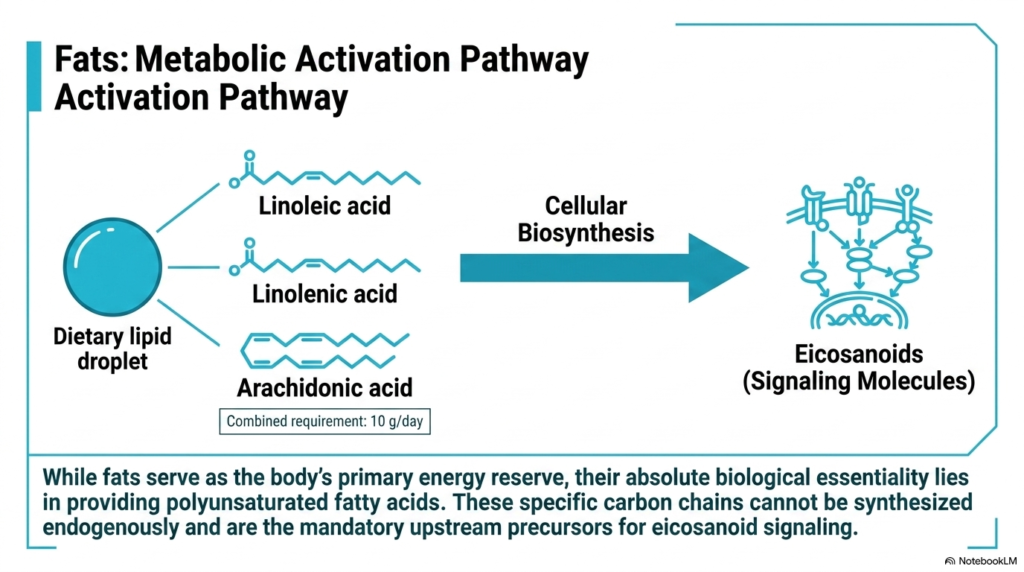
While lipids serve primarily as vast energy reserves, the absolute biological essentiality of fat macronutrients lies in supplying specific polyunsaturated fatty acids. Ingested lipid droplets yield essential long-chain fatty acids, including linoleic acid, alpha-linolenic acid, and arachidonic acid. Human physiology mandates a combined minimum intake of roughly 10 grams per day of these essential unsaturated fats.
Human desaturase enzymes cannot insert double bonds beyond the carbon-9 position from the carboxyl end of fatty acid chains. Consequently, these ingested polyunsaturated fatty acids must enter specialized cellular biosynthesis pathways. Inside human cells, these essential fatty acid precursors are converted into eicosanoids, a class of potent signaling molecules that regulate inflammatory cascades, blood pressure, and vascular smooth muscle tone.
Without adequate dietary intake of these essential fatty acid macronutrients, downstream eicosanoid signaling pathways become severely compromised, leading to impaired immune and vascular regulation. Medical students must appreciate how essential fatty acids directly link dietary lipid consumption to acute cellular inflammation and systemic cardiovascular health across diverse clinical settings.
This biochemical connection underscores why essential fatty acid deficiency leads to dermatological lesions, impaired wound healing, and immune dysfunction. Incorporating essential lipid macronutrients into daily nutrition is critical for maintaining homeostatic control over inflammatory and vascular responses in human tissues.
Slide 11: Water as the Essential Medium for Processing Macronutrients
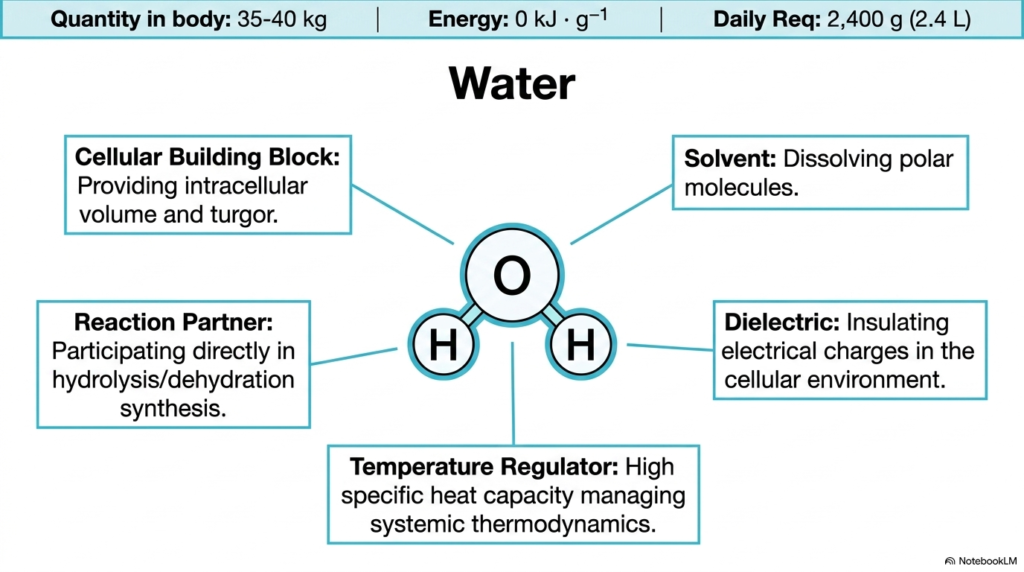
Water is the largest chemical component of the human body, accounting for 35 to 40 kilograms of total mass, with an average daily requirement of 2,400 grams. Although pure water provides zero kilojoules of metabolic energy, it serves as the indispensable biological solvent that transports, hydrolyzes, and metabolizes all dietary macronutrients throughout the human body.
Physiologically, water serves as a cellular building block that maintains intracellular volume, hydrostatic pressure, and structural cell turgor. As a universal solvent, water dissolves polar nutrients, metabolic substrates, and electrolytes for circulatory delivery. Water also acts as a direct reaction partner in enzymatic hydrolysis reactions that break down complex macronutrients into absorbable monomeric units during gastrointestinal digestion.
Furthermore, water operates as a dielectric insulator that buffers electrical charges across cell membranes and a systemic temperature regulator due to its exceptionally high specific heat capacity. Without water to sustain systemic thermodynamics and cellular solvency, human tissues could not process, transform, or use dietary macronutrients for energy extraction and structural maintenance.
In clinical environments, maintaining fluid homeostasis is just as critical as ensuring macronutrient balance. Dehydration severely impairs metabolic enzyme activity and nutrient transport, illustrating how water acts as the unifying matrix for all human cellular bioenergetics and metabolic pathways.
Slide 12: Micronutrient Facilitators in the Bioenergetics of Macronutrients
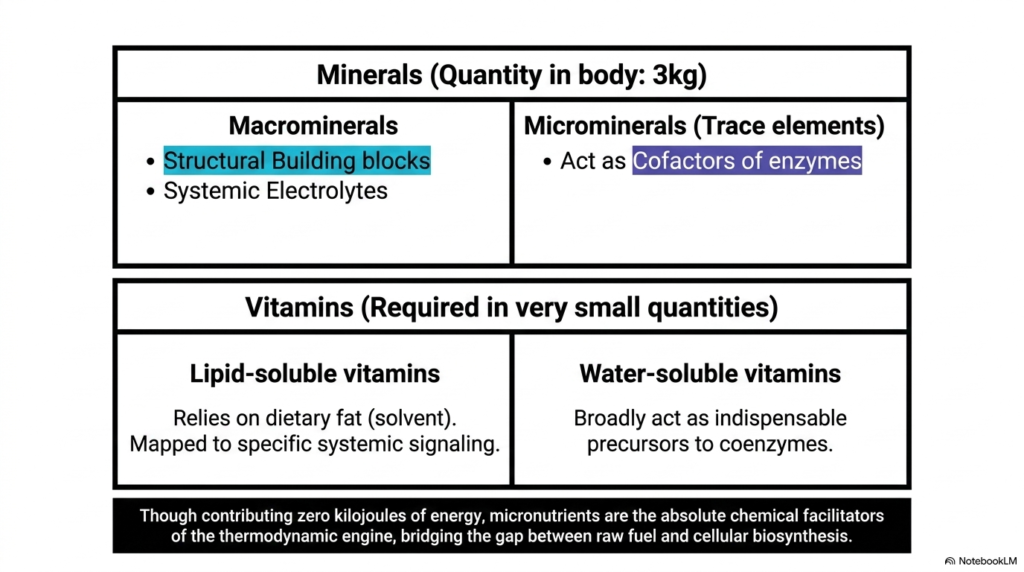
Micronutrients encompass minerals and vitamins that supply zero kilojoules of energy, yet they serve as essential chemical facilitators for processing dietary macronutrients. The human body contains approximately 3 kilograms of minerals, divided into macrominerals and microminerals. Macrominerals act as structural building blocks and systemic electrolytes, whereas microminerals function as crucial cofactors for metabolic enzymes across all cell types in human organs.
Vitamins are classified as lipid-soluble or water-soluble based on their chemical solubility profiles. Lipid-soluble vitamins depend directly on fat absorption pathways and regulate specialized systemic signaling processes. Conversely, water-soluble vitamins serve as indispensable metabolic precursors for essential coenzymes, such as NAD, FAD, and Coenzyme A, which drive central cellular bioenergetics and ATP production.
Without these micronutrient cofactors, the enzymes that break down macronutrients would remain inactive. Micronutrients bridge the gap between raw nutrient intake and cellular energy production. They ensure that metabolic pathways efficiently convert dietary macronutrients into usable adenosine triphosphate to power human physical work and physiological survival.
This intimate metabolic coupling demonstrates why micronutrient deficiencies compromise energy production despite adequate calorie consumption. Understanding how minerals and vitamins activate key metabolic enzymes allows clinicians to address chronic fatigue, metabolic disorders, and complex nutritional deficiencies comprehensively in everyday clinical practice.
Slide 13: Integrative Summary of Human Bioenergetics and Macronutrients
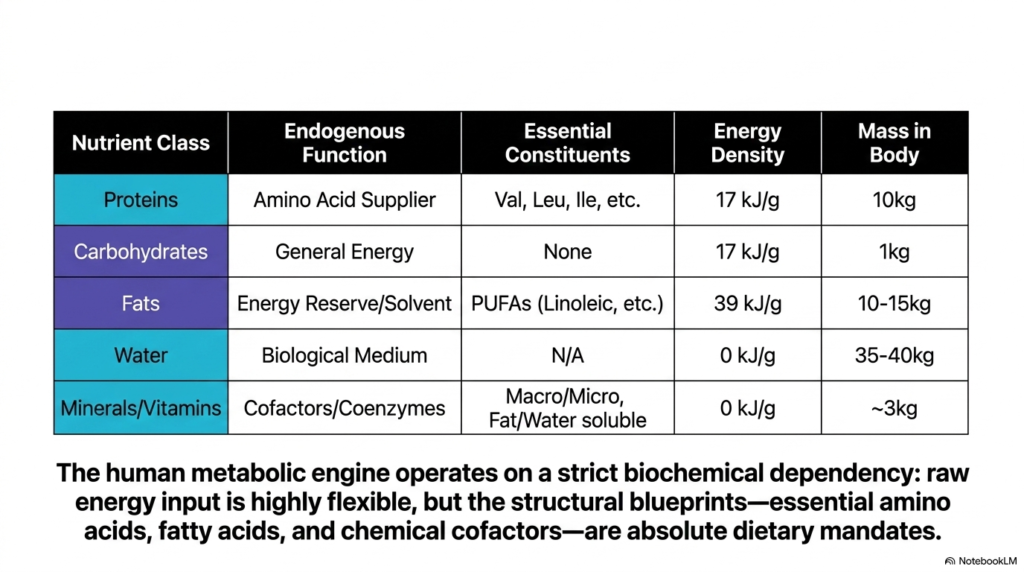
This integrative summary synthesizes the metabolic parameters and physiological functions across all major classes of dietary macronutrients. While human bioenergetics shows significant operational flexibility in raw fuel sources—allowing carbohydrates, fats, and proteins to meet baseline caloric demands—our cells depend on specific biochemical components for structure and catalysis.
Dietary proteins supply essential amino acid backbones for tissue synthesis and enzyme construction, yielding 17 kilojoules per gram. Carbohydrates provide rapidly accessible fuel at 17 kilojoules per gram, though they require no essential dietary intake. Fats yield 39 kilojoules per gram, providing dense energy storage and essential polyunsaturated fatty acids required for signaling molecules.
Ultimately, human health and survival depend on balancing daily energy input with mandatory structural blueprints. Medical and college students must recognize that while total caloric intake can vary, essential amino acids, essential fatty acids, and micronutrient cofactors derived from macronutrients represent non-negotiable dietary mandates for cellular maintenance and long-term metabolic health.
By mastering these core principles of human bioenergetics, healthcare professionals can effectively analyze nutritional research, diagnose metabolic conditions, and guide patient care. This comprehensive understanding of macronutrients forms the absolute cornerstone of modern clinical nutrition, biochemistry, and physiological science across all healthcare disciplines and medical research fields.
Please read our Content Disclaimer Statement.
Check out our social media channels: