144. The Biochemistry of Water-Soluble Vitamins
Every living cell relies on microscopic tools to convert food into cellular energy and structural components. Human bodies cannot synthesize these essential tools from scratch and must acquire them through daily nutrition. This slide deck breaks down the complex biochemical structures, coenzyme conversions, and physiological pathways of these essential dietary compounds. Designed for medical and university students, this guide highlights how key micronutrients maintain human metabolism and prevent severe metabolic disease.
Slide 1: Introduction to Water-Soluble Vitamins and Metabolic Coenzymes
Cellular life depends on continuous metabolic transformations, yet most human enzymes require specialized helper molecules to complete these complex chemical reactions. Water-Soluble Vitamins serve as indispensable precursors for these catalytic helper compounds, known as coenzymes. Without these organic molecules, crucial metabolic enzymes remain inactive, bringing vital cellular pathways to a complete halt. Understanding the structural chemistry of Water-Soluble Vitamins reveals how human cells process dietary nutrients, build essential macromolecules, and generate chemical energy in the form of ATP.
These essential compounds move freely through aqueous biological environments, enabling rapid distribution to metabolic sites across diverse human tissue types. Unlike fat-soluble storage molecules, Water-Soluble Vitamins undergo active turnover and cannot be stored in large quantities, requiring regular dietary intake to sustain metabolic coenzyme pools. Within individual tissue cells, specific biosynthetic enzymes convert absorbed precursor structures into active, functional coenzyme forms through precise chemical modifications.
These modified coenzyme molecules bind directly to active sites on metabolic enzymes, providing reactive chemical handles for electron transfer, group donation, and complex bond rearrangements. By examining these fundamental molecular relationships, college and medical students gain a clear mechanistic perspective on cellular bioenergetics, metabolic regulation, and clinical deficiency syndromes. Studying these pathways establishes a solid foundation for clinical medicine.
Slide 2: Evolutionary Loss of Biosynthesis for Water-Soluble Vitamins
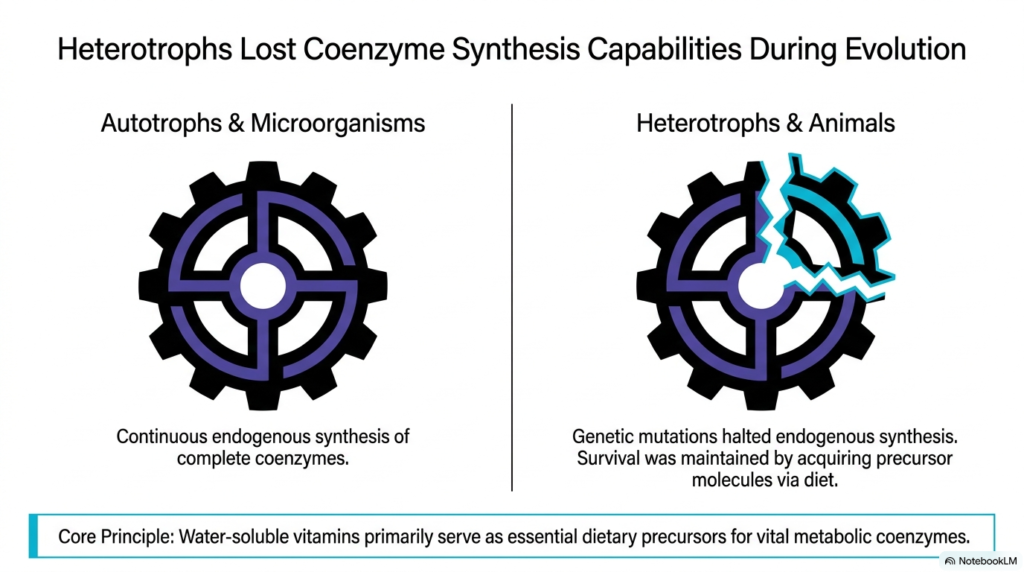
Autotrophic organisms like plants and photosynthetic bacteria build every required coenzyme from basic inorganic materials through complex enzymatic pathways. In contrast, animal lineages experienced genetic mutations over evolutionary time that eliminated key biosynthetic enzymes. Because dietary consumption reliably provided intact organic precursors from surrounding food webs, ancient animals adapted by absorbing Water-Soluble Vitamins directly from their environment. This evolutionary shift allowed ancestral species to streamline their metabolic genomes and conserve energy for other essential physiological processes.
Consuming preformed Water-Soluble Vitamins allowed animal cells to rely on streamlined uptake mechanisms rather than maintaining vast enzymatic networks for de novo coenzyme synthesis. Consequently, modern human cells have intact pathways to convert absorbed dietary precursors into functional coenzyme structures but lack the ability to produce the initial precursor rings from scratch. This evolutionary trade-off highlights how environmental nutrition shaped animal genome composition over millions of years of diversification.
However, this total dietary dependence leaves animal physiology uniquely vulnerable to nutritional shortfalls. When access to Water-Soluble Vitamins diminishes, cellular coenzyme pools deplete rapidly, causing specific metabolic bottlenecks across major metabolic pathways inside organs. Recognizing this evolutionary vulnerability helps medical students appreciate why dietary deficiencies manifest as distinct clinical disorders across human populations and require continuous nutritional monitoring in clinical settings.
Slide 3: Thiamine and Hydroxyalkyl Transfer in Water-Soluble Vitamins
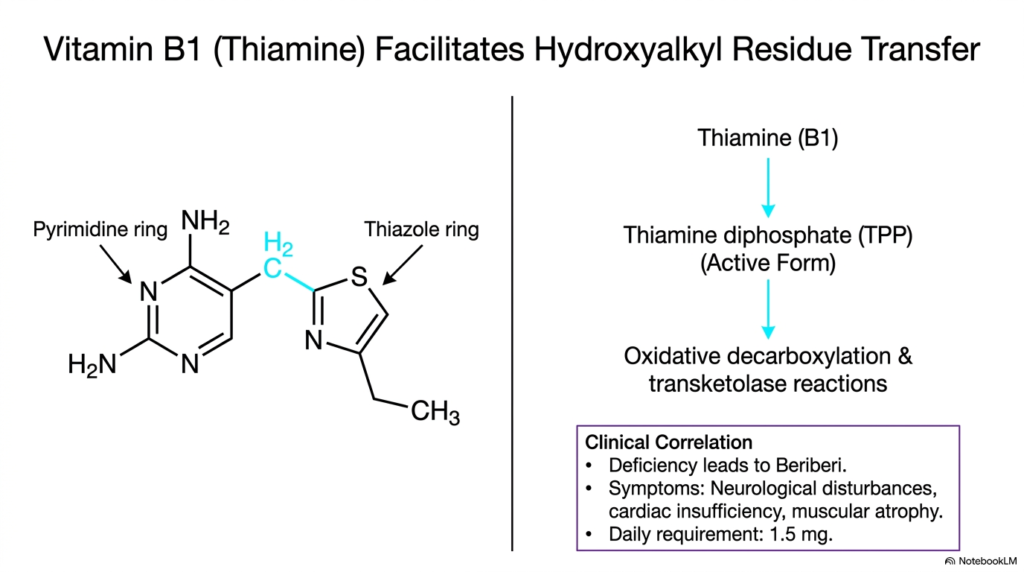
Thiamine, or Vitamin B1, has a central methylene bridge connecting a substituted pyrimidine ring to a thiazole ring. Cellular enzymes phosphorylate this ingested structure to yield thiamine diphosphate, the active coenzyme form required for critical metabolic pathways. Within this group of Water-Soluble Vitamins, thiamine diphosphate plays an essential role in catalyzing the transfer of hydroxyalkyl residues during central carbohydrate catabolism. The reactive carbon atom situated on the thiazole ring performs nucleophilic attacks during enzyme catalysis inside cellular matrices.
This unique chemical mechanism allows thiamine diphosphate to drive the oxidative decarboxylation of two-oxoacids, such as pyruvate and alpha-ketoglutarate, linking glycolysis directly to the citric acid cycle. This coenzyme also acts as an indispensable cofactor for transketolase in the pentose phosphate pathway. Through these coordinated reactions, Water-Soluble Vitamins like thiamine sustain cellular glucose breakdown, energy capture, and the generation of NADPH necessary for reductive biosynthesis across metabolic tissues.
When water-soluble vitamin intake falls short, thiamine depletion triggers the clinical disorder known as beriberi. Patient presentations typically include severe neurological impairment, muscular atrophy, and high-output cardiac failure due to compromised cellular energy production. Medical trainees must recognize how impaired pyruvate oxidation directly leads to these systemic clinical manifestations in patients who require prompt therapeutic intervention.
Slide 4: Riboflavin and Hydrogen Transfer among Water-Soluble Vitamins
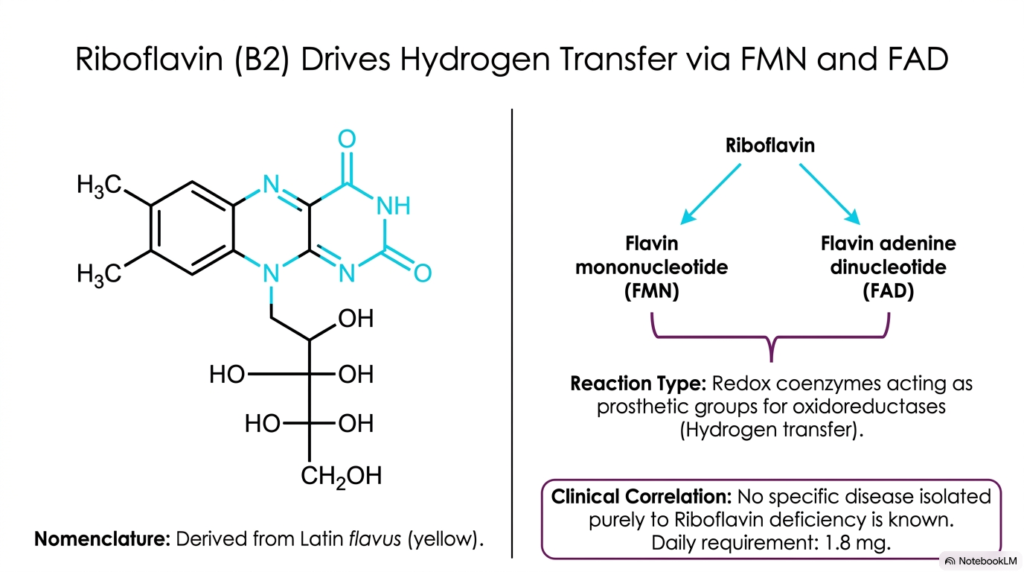
Riboflavin, commonly known as Vitamin B2, derives its systematic name from its vibrant yellow fluorescence and ribitol side chain. Chemically composed of a tricyclic isoalloxazine ring linked to a ribitol alcohol chain, riboflavin acts as the precursor for two critical redox coenzymes: flavin mononucleotide and flavin adenine dinucleotide. These versatile molecules place water-soluble vitamins at the center of cellular electron transport and oxidation-reduction reactions across living tissues and organ systems.
The isoalloxazine ring system can reversibly accept one or two electrons along with protons, allowing it to mediate both single-electron and two-electron transfer processes during metabolic reactions inside cells. These flavin coenzymes serve as tightly bound prosthetic groups for various oxidoreductase enzymes involved in fatty acid beta-oxidation, amino acid catabolism, and the citric acid cycle. By accepting hydrogen atoms from substrates, flavin coenzymes shuttle electrons into the respiratory chain.
Thus, Water-Soluble Vitamins maintain continuous ATP production inside mitochondrial matrices across active metabolic organ systems in the human body. Human daily requirements for riboflavin average approximately 1.8 milligrams, sourced primarily from dairy products, eggs, and enriched grains. Isolated deficiencies of individual Water-Soluble Vitamins like riboflavin are uncommon, usually presenting alongside broader nutrient deficits during severe malnutrition states in medical practice.
Slide 5: Folate and One-Carbon Transfer in Water-Soluble Vitamins
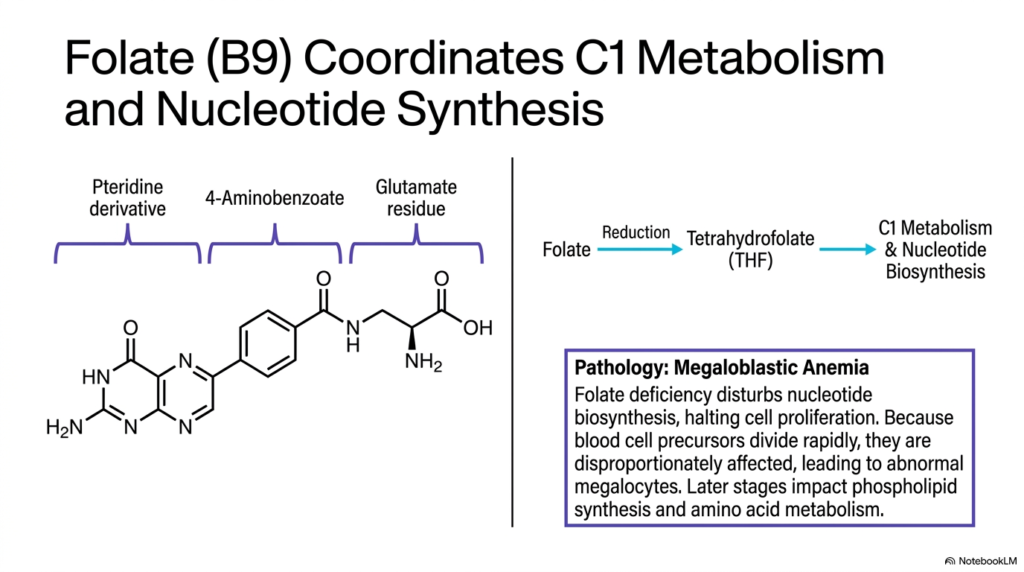
Folate has a complex bipartite structure: a pteridine ring derivative linked to four-aminobenzoate and variable glutamate residues. After enzymatic reduction in mammalian tissues by dihydrofolate reductase, folate converts to its active coenzyme form, tetrahydrofolate. Tetrahydrofolate positions these Water-Soluble Vitamins as premier carriers of one-carbon units at various oxidation states, including methyl, methylene, and formyl groups throughout cellular biochemistry and metabolic regulation inside human cells.
These single-carbon transfers are essential for the de novo synthesis of purines and thymidylate, which are required for genomic replication and DNA repair. By transferring single-carbon units across metabolic pathways, tetrahydrofolate supports rapid cell proliferation, amino acid conversions, and epigenetic methylation reactions across active tissues. Consequently, adequate supplies of Water-Soluble Vitamins are vital for rapidly dividing cell populations, particularly hematopoietic precursors within bone marrow and embryonic neural tube tissues during critical growth phases.
Impaired folate availability halts nucleotide production, preventing normal mitotic division during blood cell maturation. Inadequate levels of Water-Soluble Vitamins cause megaloblastic anemia, characterized by abnormally large, immature red blood cell precursors in circulation. Maternal folate deficiency during early pregnancy significantly increases neural tube defect risks, underscoring the clinical necessity of adequate periconceptional supplementation for optimal embryonic development and fetal health.
Slide 6: Microbial Folate Synthesis and Antibiotic Action in Water-Soluble Vitamins
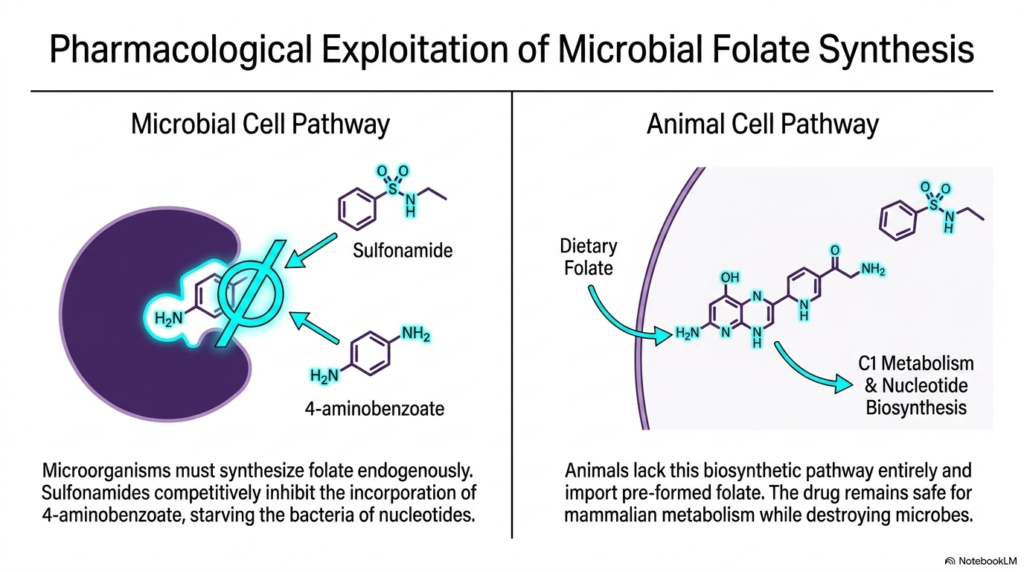
Microorganisms possess complete metabolic pathways to synthesize folate endogenously from simple precursor molecules, including four-aminobenzoate and pteridine derivatives. In sharp contrast, animal cells lack these biosynthetic enzymes entirely and must import preformed folate molecules from dietary sources. This profound metabolic divergence highlights how Water-Soluble Vitamins can be exploited pharmacologically to eliminate pathogenic bacterial infections without harming host human cells during clinical treatment across hospital settings and clinical trials.
Synthetic antimicrobial agents leverage this selective vulnerability by targeting bacterial folate production directly inside invading microbial cells. Sulfonamides act as structural analogs of four-aminobenzoate, competitively inhibiting dihydropteroate synthase during microbial folate synthesis. By blocking four-aminobenzoate incorporation, these agents starve bacterial cells of tetrahydrofolate, halting bacterial DNA synthesis and cell division across infectious tissue sites in the body.
Because human cells absorb preformed Water-Soluble Vitamins from diet rather than synthesizing them, sulfonamides exhibit exceptional selective toxicity toward invading pathogens. Understanding this biochemical distinction helps medical students grasp foundational principles of antimetabolite chemotherapy. Bacteria suffer lethality when deprived of endogenous folate pathways, while animal hosts remain unaffected because specialized transport systems for water-soluble vitamins operate across intestinal membranes to maintain systemic nutrient homeostasis and cellular health.
Slide 7: Niacin and Hydride Ion Transfer across Water-Soluble Vitamins
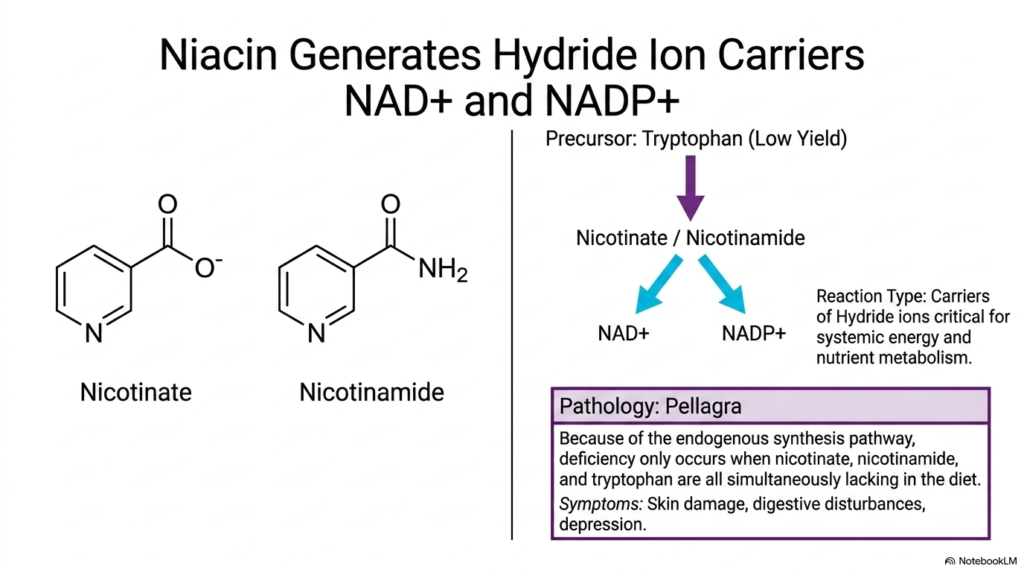
Niacin includes two related chemical structures: nicotinate and nicotinamide, both in the substituted pyridine carboxylic acid family. These ingested precursor molecules serve as essential building blocks for nicotinamide adenine dinucleotide and nicotinamide adenine dinucleotide phosphate. Within the broad family of Water-Soluble Vitamins, these pyridine coenzymes function as primary mobile carriers of hydride ions during cellular respiration and biosynthetic pathways within human organ systems and physiological tissues.
The nicotinamide ring accepts a hydride ion containing two electrons and one proton, undergoing reversible oxidation and reduction during enzyme catalysis inside active metabolic cells. The oxidized coenzyme accepts high-energy electrons during nutrient breakdown in glycolysis, beta-oxidation, and the citric acid cycle. Reduced coenzyme molecules then shuttle these electrons directly to Complex I of the mitochondrial electron transport chain to drive oxidative phosphorylation and cellular ATP generation.
Through these continuous oxidation-reduction cycles, Water-Soluble Vitamins like niacin orchestrate energy release from ingested carbohydrates, fats, and proteins. Although liver tissues can synthesize small amounts of niacin from the amino acid tryptophan, this conversion yield remains relatively poor. Deficiency arises when the diet lacks both tryptophan and preformed Water-Soluble Vitamins, leading to pellagra, classically characterized by severe dermatitis, diarrhea, and mental depression in vulnerable patient populations.
Slide 8: Pantothenic Acid and Acyl Activation in Water-Soluble Vitamins
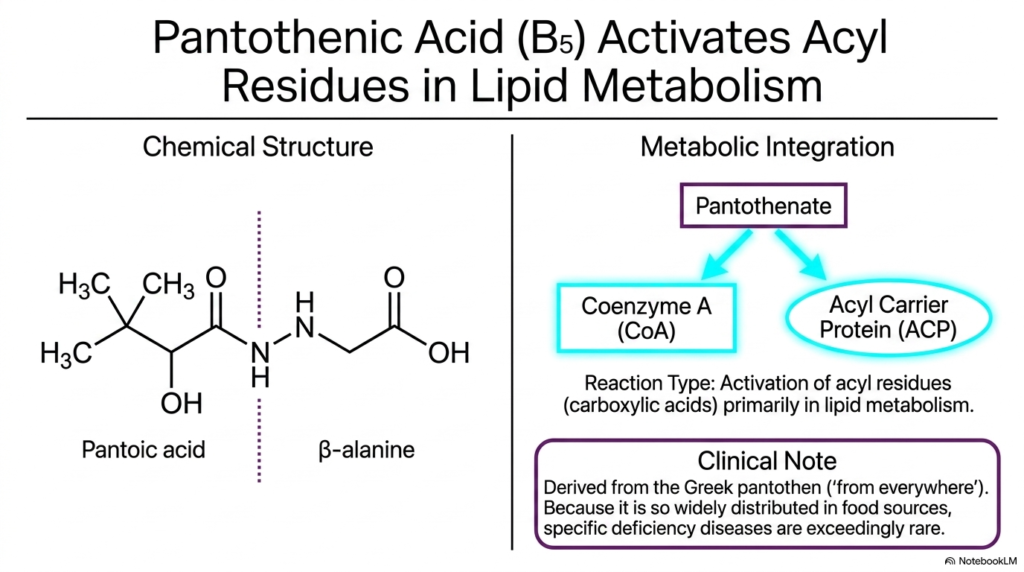
Pantothenic Acid, designated as Vitamin B5, is an acid amide constructed from beta-alanine and pantoic acid. Inside human cells, this precursor molecule is incorporated into the chemical structure of Coenzyme A and the prosthetic group of acyl carrier protein. These key coenzymes highlight how Water-Soluble Vitamins enable the chemical activation and transfer of carboxylic acid residues during central lipid metabolism and energy extraction pathways across cellular compartments and subcellular organelles.
The terminal sulfhydryl group of Coenzyme A forms high-energy thioester bonds with various acyl groups during metabolic transformations inside the cytoplasm and mitochondria. This thermodynamic activation converts unreactive carboxylic acids into reactive acetyl-CoA and fatty acyl-CoA intermediates required for oxidation, fatty acid synthesis, and cholesterol formation. Consequently, Water-Soluble Vitamins like pantothenic acid lie at the crossroads of carbohydrate, lipid, and amino acid catabolism within active cellular environments.
Derived from the Greek word pantothen, meaning from everywhere, pantothenic acid is widely distributed across almost all unrefined plant and animal food sources. Because these Water-Soluble Vitamins are so ubiquitous in natural diets, clinical deficiency states are exceedingly rare in human populations. However, its fundamental role in metabolic biochemistry remains essential for medical students to master completely for future clinical practice and biochemical examinations.
Slide 9: Pyridoxal Phosphate and Amino Acid Processing in Water-Soluble Vitamins
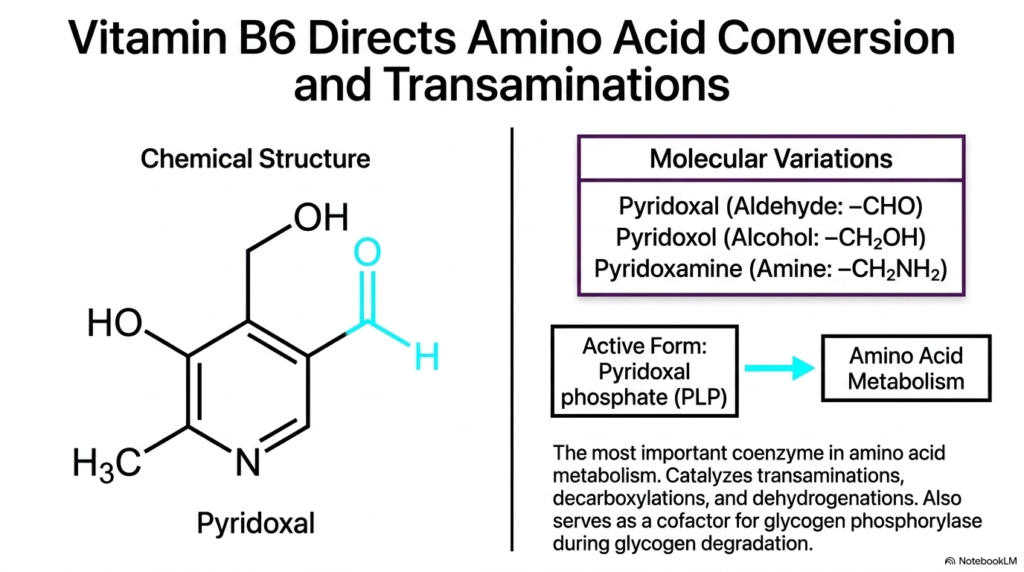
Vitamin B6 comprises three interconvertible substituted pyridine derivatives: pyridoxal, pyridoxol, and pyridoxamine. Cellular pyridoxal kinase phosphorylates these dietary precursors to form pyridoxal phosphate, the principal coenzyme required for amino acid metabolism. Among all Water-Soluble Vitamins, pyridoxal phosphate shows the widest catalytic versatility, serving as a cofactor for over 100 distinct enzymatic reactions across nitrogen-handling pathways in metabolic cells and liver tissue.
The aldehyde group at position four of pyridoxal phosphate forms a reversible covalent Schiff base linkage with substrate amino groups during catalytic cycles inside active sites. This Schiff base linkage acts as an electron sink, stabilizing carbanion intermediates formed during enzyme catalysis. This versatile chemical mechanism enables transamination, decarboxylation, racemization, and side-chain cleavage reactions throughout nitrogen catabolism and neurotransmitter synthesis in neural tissues and peripheral organs throughout the human body.
Additionally, this cofactor binds covalently to glycogen phosphorylase, demonstrating how Water-Soluble Vitamins directly participate in glycogen breakdown inside skeletal muscle tissue. Because pyridoxal phosphate mediates amino acid transamination, liver cells rely heavily on B6 coenzymes for gluconeogenesis during fasting states. Isolated dietary deficiency of these Water-Soluble Vitamins is rare, but systemic depletion can be triggered by specific drug interactions during clinical treatment in modern medical practice and hospital care.
Slide 10: Microbial Origin and Complex Structure of Water-Soluble Vitamins: Cobalamin
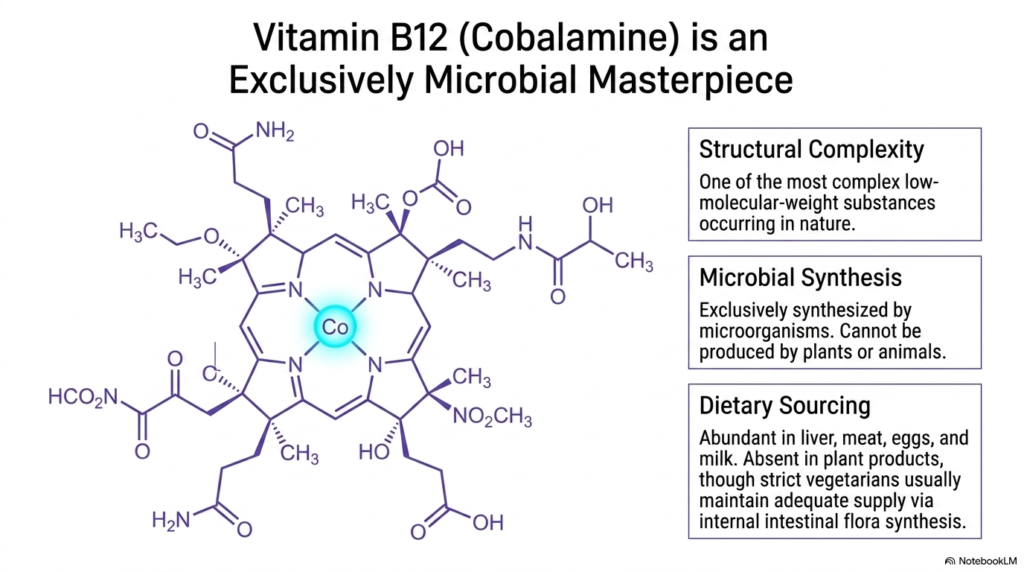
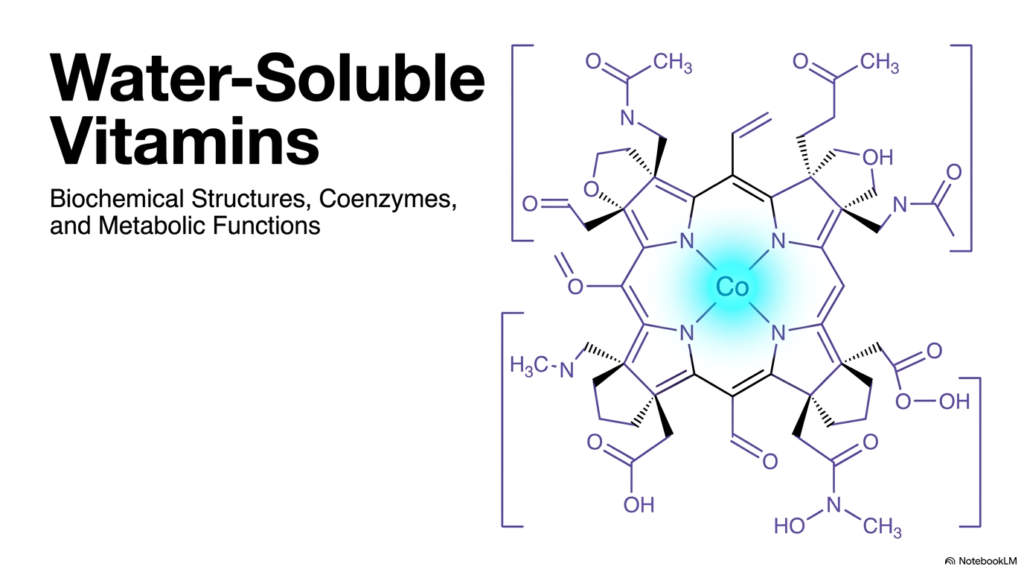
Cobalamin, or vitamin B12, is one of the most structurally complex low-molecular-weight molecules found in nature. Its core structure features a planar corrin ring system with four pyrrole rings surrounding a single cobalt atom. Among all Water-Soluble Vitamins, cobalamin is unique because its primary ring synthesis is restricted exclusively to specific prokaryotic microorganisms in terrestrial and aquatic environments across the global biosphere.
Neither plants nor higher animals possess the complex genetic machinery to construct cobalamin’s intricate corrin core from simple organic precursors. Consequently, animal tissues acquire these Water-Soluble Vitamins through microbial food chains or gastrointestinal bacterial flora, storing significant reserves within liver tissue for extended periods. Herbivores rely on internal rumen fermentation for cobalamin synthesis, whereas humans acquire preformed B12 primarily through animal-derived foods such as meat, liver, milk, and eggs in daily diets.
Despite its minute adult daily requirement of about two micrograms, cobalamin is essential for key metabolic rearrangements and DNA synthesis across human tissues. Understanding the unique microbial origins of Water-Soluble Vitamins like B12 helps healthcare providers assess dietary habits, particularly among strict vegetarians who may need supplemental or fortified sources to prevent severe hematological and neurological deficiencies in clinical settings.
Slide 11: Intrinsic Factor and Absorption Mechanics of Water-Soluble Vitamins: B12
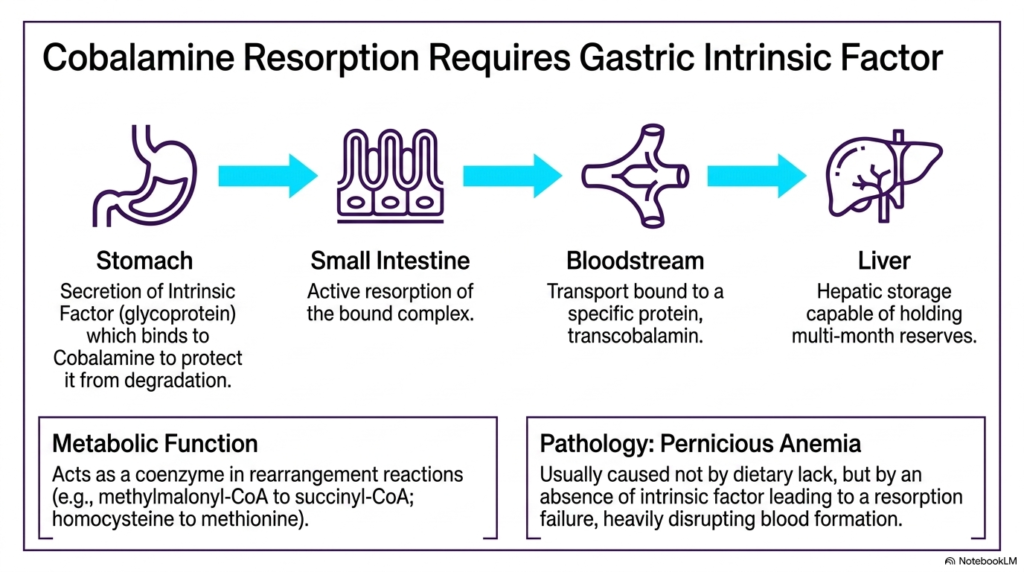
Absorbing dietary cobalamin requires a sophisticated physiological mechanism within the human gastrointestinal tract. Gastric parietal cells secrete intrinsic factor, a specialized glycoprotein that binds cobalamin tightly within the stomach lumen. This protective binding complex prevents proteolytic degradation in the small intestine, allowing specialized cobalamin receptors in the terminal ileum to absorb these Water-Soluble Vitamins into systemic circulation across epithelial cell layers throughout the digestive tract.
Once absorbed, cobalamin binds to transcobalamin transport proteins for delivery through the bloodstream to peripheral tissues and for long-term storage in the liver. Cellular enzymes convert cobalamin into active coenzyme forms that catalyze crucial isomerization and methylation reactions, such as converting methylmalonyl-CoA into succinyl-CoA and homocysteine into methionine. Through these essential pathways, Water-Soluble Vitamins protect central nervous system myelin integrity and support cellular energy production across neural pathways in the human nervous system.
Disruptions in gastric intrinsic factor secretion prevent intestinal absorption, leading directly to pernicious anemia in clinical practice. Patients suffer from impaired red blood cell maturation and progressive neurological damage due to demyelination of spinal cord tracts throughout the central nervous system. Medical students must recognize that deficiency in these Water-Soluble Vitamins often stems from autoimmune absorption failure rather than dietary lack in clinical settings and medical wards.
Slide 12: Vitamin C as a Primary Reducing Agent in Water-Soluble Vitamins
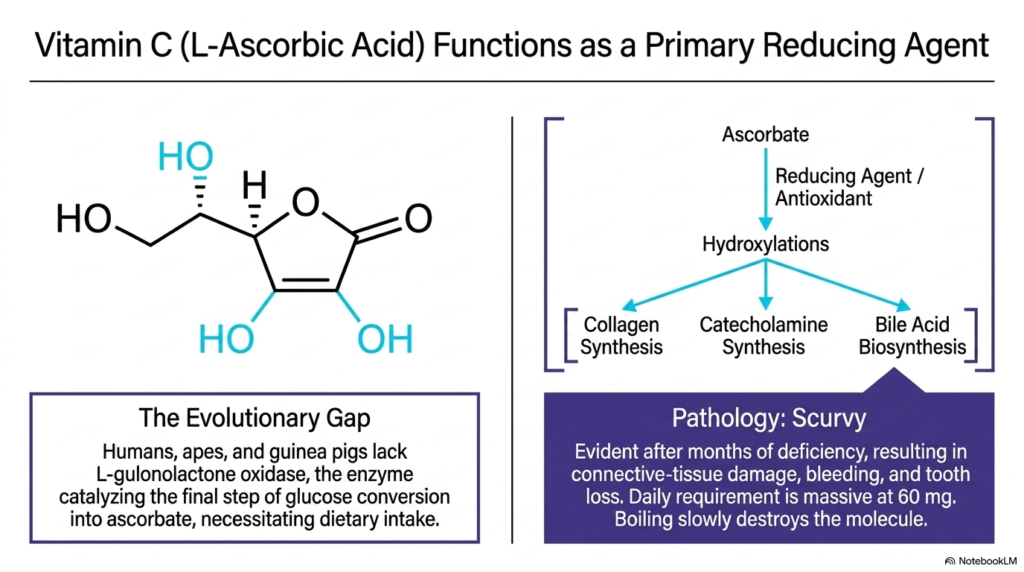
Vitamin C, chemically designated as L-ascorbic acid, is an essential organic acid that forms the ascorbate anion at physiological pH. Humans, higher primates, and guinea pigs cannot synthesize ascorbic acid because they have lost the gene encoding L-gulonolactone oxidase, the enzyme that catalyzes the final conversion step from glucose. Consequently, these species rely entirely on consuming Water-Soluble Vitamins like ascorbate through fresh fruits, vegetables, and dietary sources in daily meals.
Biochemically, ascorbate acts as a powerful electron donor and water-soluble antioxidant throughout extracellular and intracellular fluid compartments across human tissue beds. Ascorbate maintains essential transition metal ions, such as iron and copper, in their reduced catalytic states within active sites of key enzymes. This reducing power is required for prolyl and lysyl hydroxylases, which catalyze the post-translational hydroxylation of proline and lysine during collagen biosynthesis.
Thus, Water-Soluble Vitamins like Vitamin C directly maintain the structural stability and mechanical strength of connective tissues, skin, and blood vessels. Inadequate dietary intake of ascorbate leads to the classic deficiency disease known as scurvy, characterized by capillary fragility, bleeding gums, impaired wound healing, and tissue decay. Understanding ascorbate chemistry highlights how Water-Soluble Vitamins preserve tissue integrity and support metabolic energy production across human systems.
Slide 13: Biotin and Carboxylation Reactions in Water-Soluble Vitamins
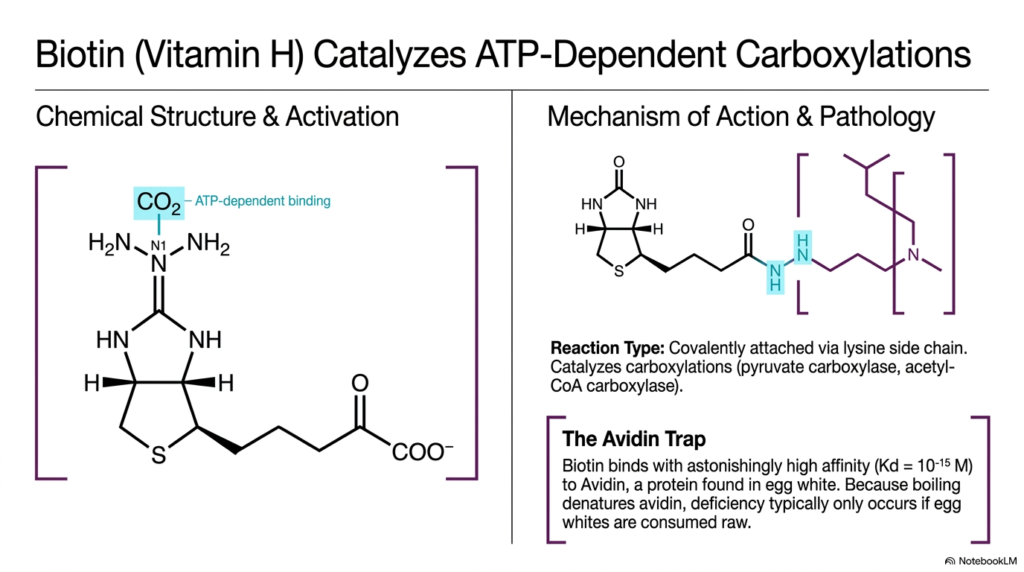
Biotin, historically called Vitamin H, has a bicyclic ring structure fused to a valeric acid side chain. Inside human target cells, biotin-protein ligase covalently attaches biotin to specific lysine residues of carboxylase enzymes through an amide bond. This flexible covalent tether positions these Water-Soluble Vitamins as specialized swinging arms that transport carbon dioxide groups between catalytic sites during ATP-dependent carboxylation reactions inside cellular compartments and organelles.
Biotin-dependent carboxylases utilize ATP hydrolysis to bind bicarbonate, forming a reactive carboxybiotin intermediate. The coenzyme then transfers this activated carbon dioxide group to acceptor molecules, such as converting pyruvate to oxaloacetate and acetyl-CoA to malonyl-CoA. Through these critical reactions, Water-Soluble Vitamins like biotin sustain gluconeogenesis, fatty acid synthesis, and branched-chain amino acid catabolism across tissue types in human physiology and biochemical pathways throughout the body.
Biotin has an extraordinarily high binding affinity for avidin, a tetrameric protein found in raw egg whites. Consuming large quantities of uncooked egg whites traps biotin within the intestinal lumen, preventing systemic absorption of these Water-Soluble Vitamins across gastrointestinal membranes in the human body. Understanding this biochemical interaction illustrates how dietary factors can selectively interfere with nutrient bioavailability and cause clinical deficiency in human health, nutrition, and metabolic medicine.
Slide 14: Diagnostic Pathology Map of Deficiencies in Water-Soluble Vitamins
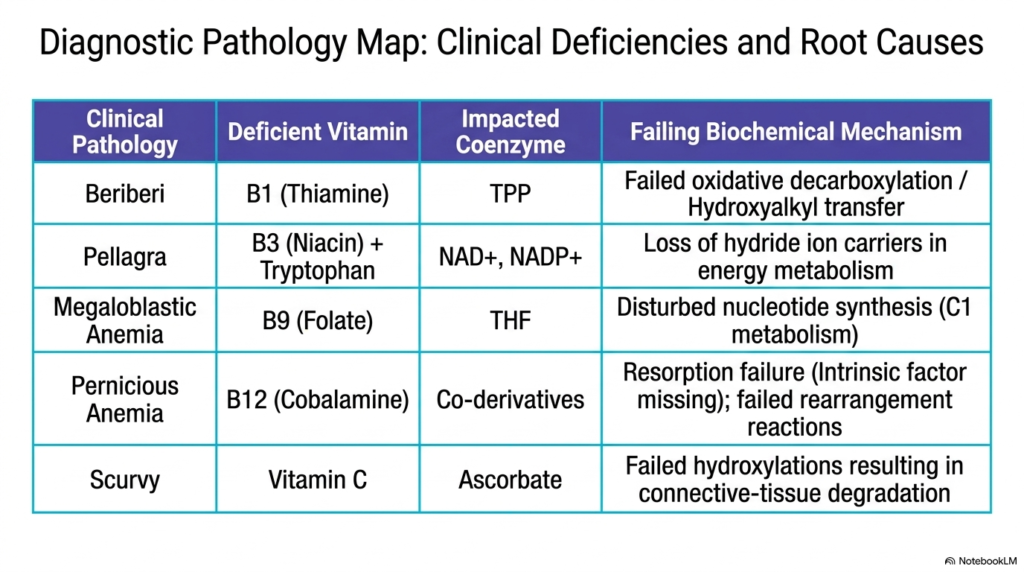
Clinical pathologies arising from micronutrient deficiencies correlate directly with specific failing enzymatic pathways inside human cells. When intake or intestinal absorption of Water-Soluble Vitamins is compromised, corresponding coenzyme levels drop, creating distinct metabolic blockades in key metabolic pathways. Systematizing these clinical correlations allows medical students to connect molecular enzyme mechanisms with patient signs and symptoms observed in clinical practice.
For instance, thiamine deficiency causes beriberi because it impairs pyruvate oxidation, whereas niacin deficiency leads to pellagra through loss of hydride carriers. Deficiency in folate or cobalamin disrupts one-carbon transfers and nucleotide synthesis, manifesting clinically as megaloblastic anemia. Similarly, ascorbate deficiency impairs collagen hydroxylation, resulting in connective tissue breakdown and scurvy. Water-Soluble Vitamins are thus critical determinants of systemic tissue health and energetic stability.
| Clinical Pathology | Deficient Vitamin | Impacted Coenzyme | Failing Biochemical Mechanism |
|---|---|---|---|
| Beriberi | B1 (Thiamine) | TPP | Failed oxidative decarboxylation and hydroxyalkyl transfer |
| Pellagra | B3 (Niacin) | NAD+, NADP+ | Loss of hydride ion carriers in central energy metabolism |
| Megaloblastic Anemia | B9 (Folate) | THF | Disturbed nucleotide synthesis in one-carbon metabolism |
| Pernicious Anemia | B12 (Cobalamin) | Co-derivatives | Resorption failure causing failed rearrangement reactions |
| Scurvy | Vitamin C | Ascorbate | Failed hydroxylations resulting in connective tissue decay |
Recognizing these pathology patterns reinforces why Water-Soluble Vitamins are fundamental to clinical diagnostics. By mapping failing coenzyme systems directly to clinical presentations, healthcare students develop a rigorous biochemical foundation for diagnosing and treating metabolic disorders.
Slide 15: Functional Classification and Taxonomy of Water-Soluble Vitamins
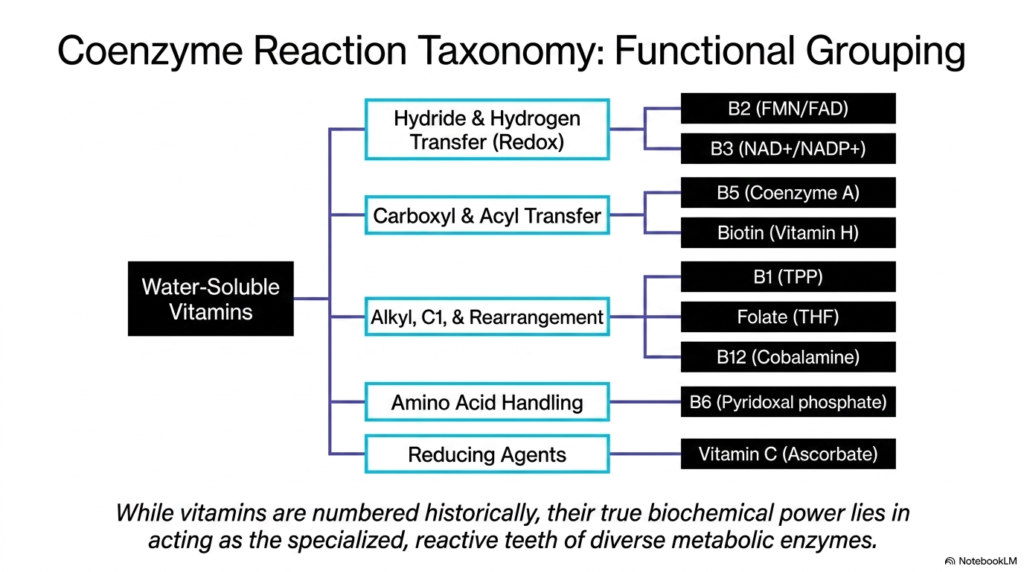
Rather than relying solely on historical numerical names, modern biochemists classify coenzymes according to their specific catalytic reaction types and functional properties. Water-Soluble Vitamins can be logically grouped into distinct functional categories based on whether they transfer electrons, acyl groups, single-carbon units, or nitrogenous groups. This mechanistic taxonomy provides a coherent conceptual framework for mastering human metabolic organization and enzyme kinetics across biological systems.
Major functional categories include hydride-transfer coenzymes like NAD+ and flavin electron carriers like FAD. Other Water-Soluble Vitamins facilitate acyl and carboxyl group transfers, such as Coenzyme A and biotin. Additional groups manage one-carbon units and amino acid conversions, represented by tetrahydrofolate and pyridoxal phosphate. Finally, ascorbic acid acts primarily as a versatile reducing agent across multiple hydroxylase systems.
- Redox and Hydride Transfer: Vitamin B2 (FMN/FAD), Vitamin B3 (NAD+/NADP+)
- Carboxyl and Acyl Transfer: Vitamin B5 (Coenzyme A), Biotin (Vitamin H)
- One-Carbon and Rearrangement: Vitamin B1 (TPP), Folate (THF), Vitamin B12 (Cobalamin)
- Nitrogen and Amino Acid Handling: Vitamin B6 (Pyridoxal Phosphate)
- Specialized Reducing Agents: Vitamin C (Ascorbate)
Viewing Water-Soluble Vitamins through this functional taxonomy clarifies how diverse metabolic pathways intersect inside living cells. Although numbered historically, their true biochemical power lies in acting as the specialized, reactive teeth of metabolic enzymes.
Please read our Content Disclaimer Statement.
Check out our social media channels: