115. Liver Metabolism Explained: Hepatic Physiology and Functions
Imagine a single organ working quietly behind the scenes, processing every nutrient you eat and neutralizing every toxin you encounter. The human liver acts as the ultimate biochemical power plant, maintaining energy balance and protecting systemic health every second. This slide deck provides a clear, comprehensive breakdown of how these biochemical pathways operate at the cellular level. By examining the fundamental mechanics of hepatic tissue, students can master the core concepts of human biochemistry and understand why this central organ is vital for metabolic homeostasis.
Slide 1: Liver Metabolism as the Central Biochemical Hub
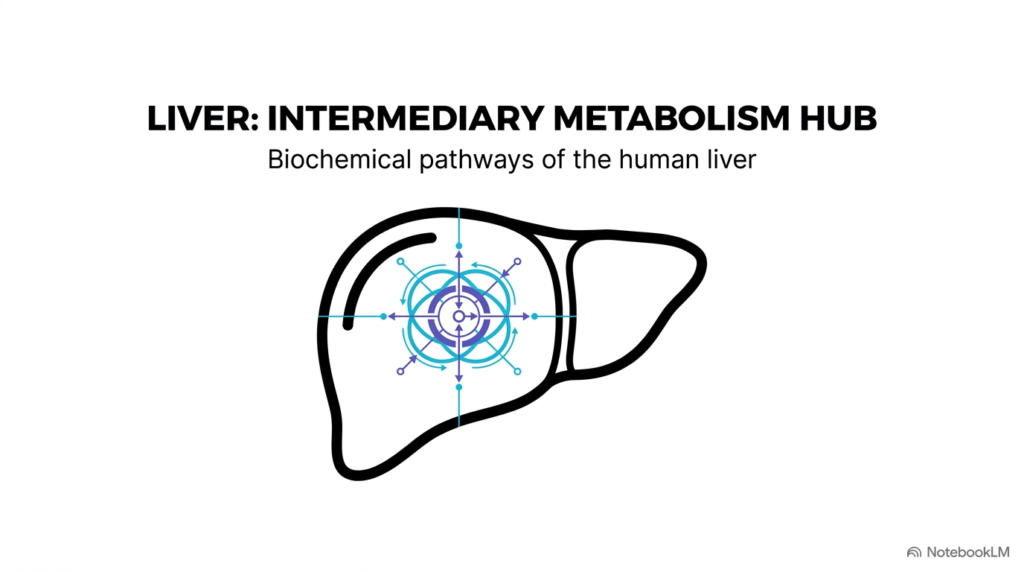
The liver operates as a vast, highly coordinated processing station where thousands of chemical reactions occur simultaneously. At the very core of human physiological balance, liver metabolism serves as the primary integrator for virtually all metabolic pathways. Every biomolecule absorbed from the gastrointestinal tract passes directly through this anatomical hub, where specialized parenchymal cells process, transform, or store nutrients according to immediate systemic demands.
This unique anatomical and functional arrangement allows the organ to sense circulating energy levels in real time and respond dynamically to physiological changes. Through intricate molecular networks, liver metabolism balances the continuous flux of carbohydrates, lipids, and proteins to meet peripheral tissues’ energy needs. When nutrient levels fluctuate after meals or during prolonged fasting, biochemical pathways in hepatic tissue adjust rapidly to stabilize circulating fuel supplies throughout the body.
Furthermore, liver metabolism bridges the crucial gap between digestive nutrient intake and systemic distribution. Rather than allowing raw nutrients to enter general systemic circulation unchecked, hepatic tissue acts as a vigilant regulatory checkpoint. Monosaccharides, fatty acids, and amino acids are selectively routed through specific metabolic pathways, ensuring blood chemistry stays within narrow physiological boundaries under varying dietary conditions.
For college and medical students studying human physiology, understanding this central hub provides an essential foundation for biochemistry. The sophisticated organization of hepatic pathways demonstrates how complex metabolic networks coordinate seamlessly to sustain life. Ultimately, liver metabolism illustrates the fundamental principle that organ-level coordination is necessary to maintain whole-body biochemical homeostasis across changing metabolic states.
Slide 2: The Energetic Paradox of Liver Metabolism
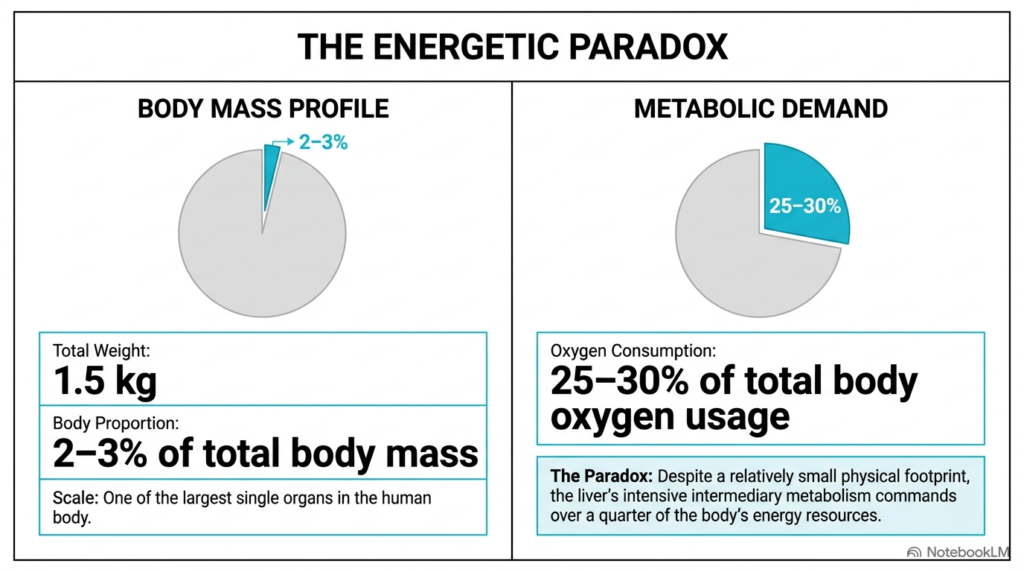
Although it accounts for only two to three percent of total adult body mass, the human liver commands an astonishing share of the body’s energy resources. This striking physiological phenomenon, known as the energetic paradox, underscores the intense metabolic workload required by liver metabolism. Weighing approximately 1.5 kilograms in an average adult, this organ continuously consumes roughly twenty-five to thirty percent of all oxygen utilized by the entire human body.
This immense oxygen consumption directly reflects the tireless biochemical activity occurring within hepatic tissue. High rates of cellular respiration power energy-intensive synthetic, regulatory, and secretory pathways. Because liver metabolism operates continuously to synthesize plasma proteins, generate glucose, and neutralize metabolic waste products, hepatocytes maintain an exceptionally high rate of adenosine triphosphate generation and metabolic turnover to sustain systemic function.
This disproportionate energy demand highlights the organ’s role as a primary metabolic engine for all peripheral tissues. While skeletal muscle or cardiac tissue consumes oxygen primarily during physical exertion, hepatic tissue maintains a consistently high basal rate of oxygen consumption even during rest. Every biochemical pathway within the organ, from complex lipid synthesis to toxin clearance, depends on this uninterrupted supply of metabolic energy.
For life science and medical students, recognizing the energetic paradox provides crucial clinical context for human disease. Vascular impairment or oxygen deprivation rapidly compromises hepatic function, demonstrating why continuous aerobic energy production is indispensable for liver metabolism. Understanding this remarkably high metabolic rate helps explain why systemic metabolic stability relies so heavily on uncompromised hepatic blood flow and tissue perfusion.
Slide 3: Hepatocytes as Microscopic Factories of Liver Metabolism
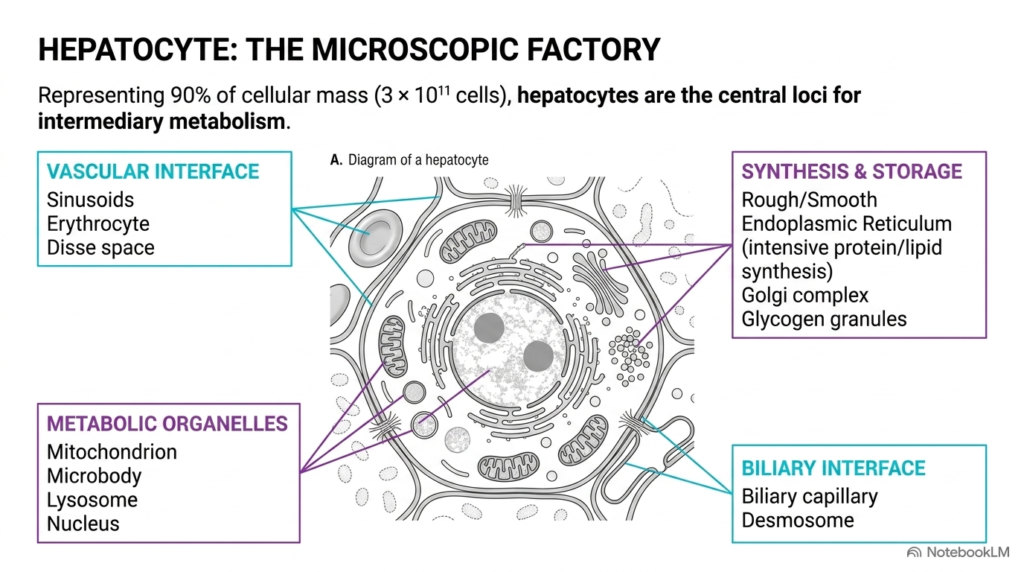
At the microscopic level, hepatocytes make up about 90% of total liver tissue mass, numbering roughly 300 billion cells. These specialized parenchymal units serve as the structural and functional loci for liver metabolism. Each hepatocyte is remarkably adapted to carry out a vast array of synthetic, storage, and degradative biochemical operations simultaneously without molecular interference, making it a true cellular powerhouse in human biology.
The hepatocyte’s internal architecture reflects its high metabolic throughput and functional versatility across metabolic states. Abundant mitochondria supply the massive amounts of ATP required to drive energy-demanding pathways, while an extensive network of rough and smooth endoplasmic reticulum supports continuous protein and lipid synthesis. Specialized cellular structures, including glycogen granules and lysosomes, store energy reserves and manage cellular recycling, ensuring that liver metabolism functions with maximum efficiency.
Furthermore, hepatocytes maintain dual cellular interfaces with both the circulatory and biliary systems to coordinate systemic exchange. The vascular interface allows direct contact with sinusoidal blood across the space of Disse, enabling rapid uptake of dietary nutrients and swift release of synthesized metabolic products into systemic circulation. Concurrently, the biliary interface channels metabolic waste products into bile capillaries for eventual elimination from the human body.
This unique structural organization enables hepatocytes to act as microscopic chemical factories within human tissue. By organizing metabolic enzymes into distinct cellular compartments, hepatocytes prevent conflicting chemical reactions from interfering with one another during active metabolism. As a result, liver metabolism operates seamlessly, maintaining whole-body physiological balance through finely tuned intracellular pathways and specialized organelle coordination across changing physiological conditions.
Slide 4: Systemic Integration and Core Functions of Liver Metabolism
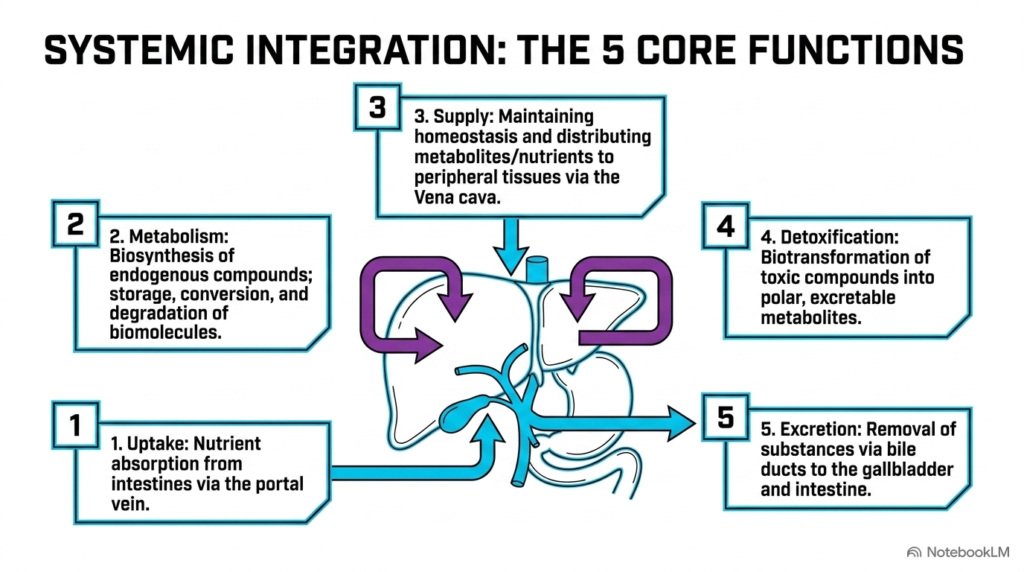
The liver executes five fundamental functions that integrate local cellular activity with overall systemic health and survival. Through these coordinated processes, liver metabolism establishes a vital bridge between the gastrointestinal tract and peripheral organs. The first core function, uptake, involves absorbing nutrient-rich blood arriving directly from the intestines via the hepatic portal vein immediately after food digestion and nutrient absorption in the gut.
Once nutrients enter the tissue, the second core function, metabolism, takes place within hepatocytes. Hepatocytes perform the complex biosynthesis of essential endogenous compounds while managing the storage, conversion, and degradation of biomolecules. Following processing, the third function, supply, ensures that vital metabolites and energy substrates are distributed to peripheral tissues through the vena cava to maintain constant systemic energy balance across all tissues and organs in the human body.
The fourth function centers on detoxification, where specialized enzymatic pathways within hepatocytes transform endogenous metabolic waste and foreign toxic compounds into polar, excretable molecules. Finally, the fifth function, excretion, eliminates waste products and biotransformed substances through bile ducts into the gallbladder and intestine for final removal from the body. Together, these five core activities illustrate how liver metabolism coordinates nutrient management and waste disposal efficiently.
Understanding these integrated functions reveals why hepatic dysfunction impacts multiple organ systems simultaneously during clinical disease states. By coupling nutrient processing directly with protective clearance pathways, the organ maintains systemic equilibrium across varying physiological conditions. Ultimately, the liver’s metabolic functions highlight the clinical importance of integrated metabolic regulation in human physiology and medical practice for overall health.
Slide 5: Carbohydrate Homeostasis Driven by Liver Metabolism
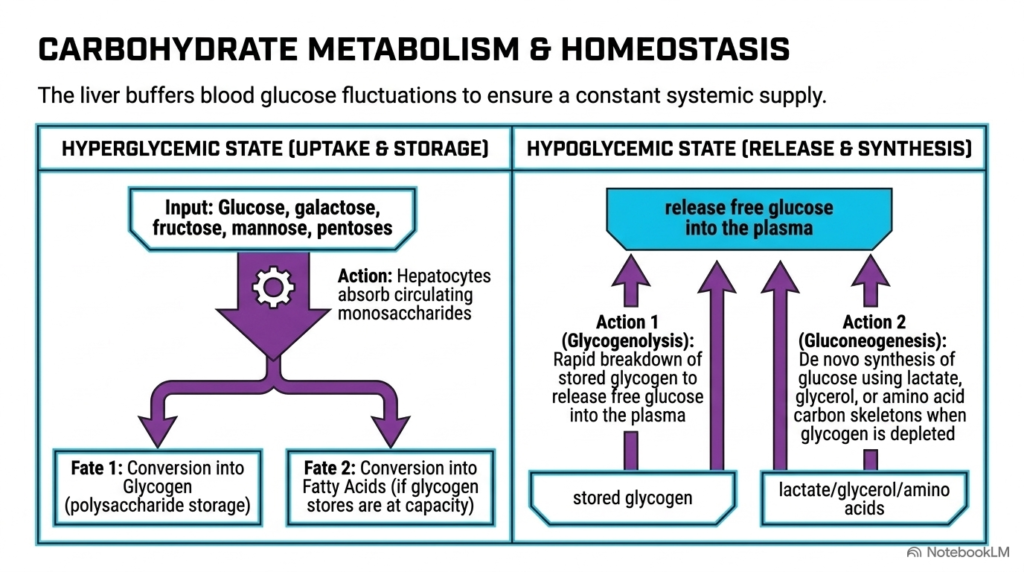
Maintaining stable blood glucose concentrations is a primary physiological responsibility of the human liver in daily life. During a hyperglycemic state following a nutrient-dense meal, hepatocytes absorb circulating monosaccharides, including glucose, fructose, and galactose, directly from portal blood. Under these fed conditions, the liver converts excess glucose into glycogen for short-term storage or transforms surplus carbon skeletons into fatty acids once glycogen storage capacity is reached.
Conversely, during a hypoglycemic state between meals or during extended fasting, the organ rapidly shifts its biochemical priorities to prevent energy deficits in peripheral tissues. Through glycogenolysis, the liver rapidly breaks down stored glycogen to release free glucose into the blood plasma. If fasting continues and glycogen reserves become depleted, liver metabolism initiates gluconeogenesis, synthesizing new glucose molecules from non-carbohydrate precursors such as lactate, glycerol, and amino acid carbon skeletons to sustain life and brain function.
This dual-response mechanism effectively buffers blood sugar fluctuations, ensuring that glucose-dependent tissues, such as the brain and erythrocytes, receive an uninterrupted fuel supply under all physiological conditions. By switching dynamically between storage and synthesis pathways, hepatic cells regulate glucose availability with remarkable precision across the daily fast-fed cycle in humans.
Mastering carbohydrate homeostasis reveals how key regulatory hormones like insulin and glucagon modulate hepatic enzyme activity at the molecular level. Through this delicate balance of polysaccharide storage, rapid breakdown, and de novo synthesis, liver metabolism serves as the ultimate guardian of systemic energy stability across changing nutritional environments and dietary patterns throughout human life.
Slide 6: Lipid Dynamics and Transport in Liver Metabolism
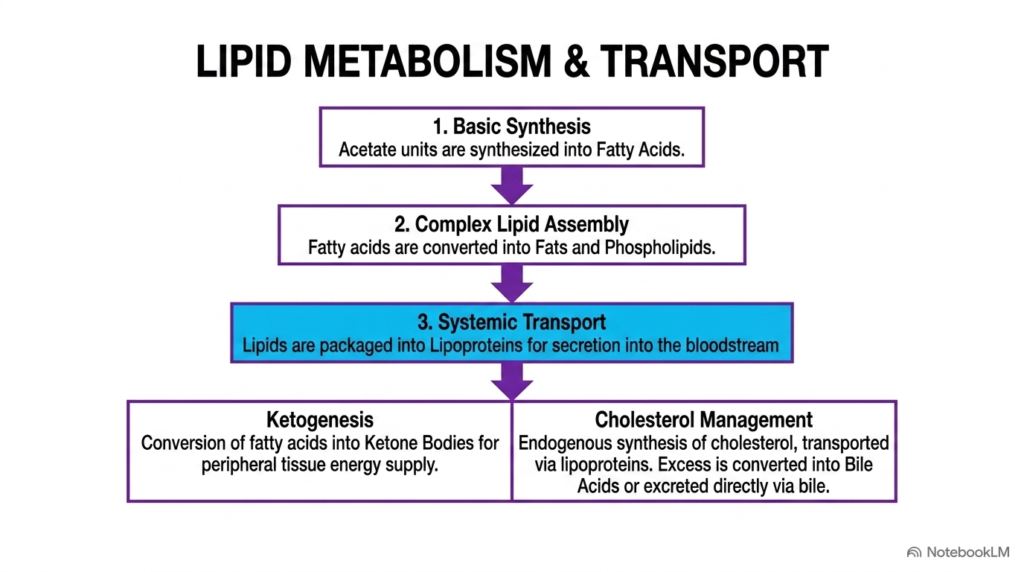
Lipid processing within hepatic tissue involves a tightly coordinated sequence of synthesis, assembly, and systemic transport pathways. Initially, lipogenesis assembles basic acetate units into long-chain fatty acids. Within the framework of liver metabolism, these fatty acids are then converted into complex lipids, including triglycerides and phospholipids, which serve as crucial structural components of cellular membranes and concentrated energy stores throughout the human body.
Because lipids are hydrophobic molecules, they cannot circulate freely in aqueous blood plasma without coalescing into dangerous lipid droplets. To overcome this physical constraint, liver metabolism packages synthesized lipids into specialized lipoprotein particles, such as Very Low-Density Lipoproteins, for secretion into the bloodstream. This transport system efficiently delivers essential fatty acids and endogenous cholesterol to peripheral tissues for cellular maintenance, membrane renewal, and energy storage across organ systems.
When carbohydrate availability is low, hepatic tissue shifts fatty acids toward ketogenesis, producing ketone bodies that serve as vital alternative energy fuels for the brain and myocardium during starvation states. Additionally, hepatic cholesterol management balances endogenous cholesterol synthesis with excretion, converting excess cholesterol into bile acids for digestion or eliminating it directly via bile.
These integrated pathways highlight the central role of hepatic tissue in lipid distribution and energy adaptability across metabolic states. By coordinating lipid synthesis, lipoprotein secretion, ketogenesis, and cholesterol clearance, liver metabolism ensures that peripheral tissues receive essential fats while preventing toxic lipid accumulation within non-adipose tissues during metabolic health, human wellness, and systemic survival.
Slide 7: Amino Acid Regulation and Nitrogen Clearance in Liver Metabolism
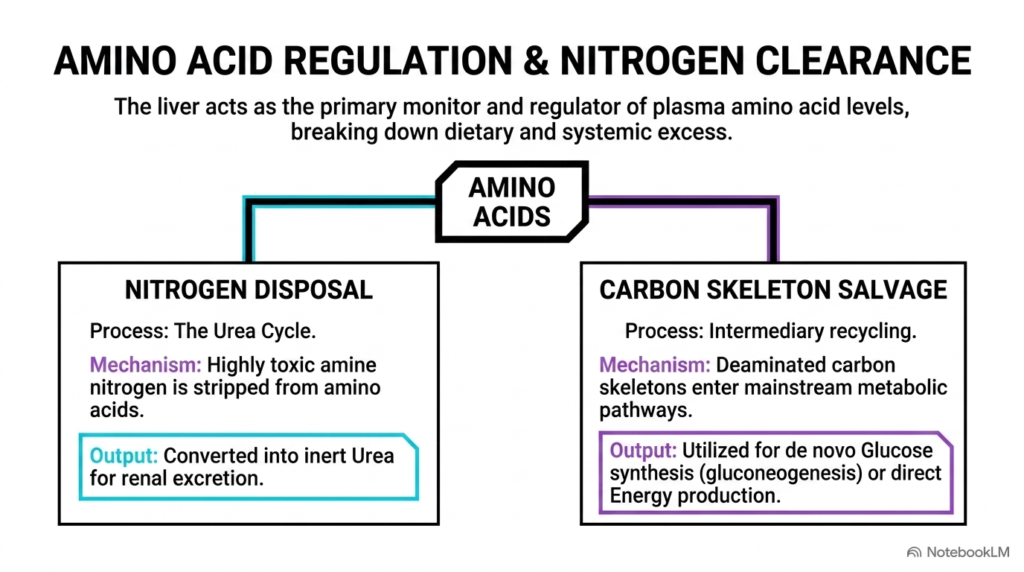
The liver serves as the principal monitor and regulator of systemic amino acid concentrations, continuously processing dietary excess and tissue breakdown products. Because excess nitrogenous compounds cannot be stored for future use, liver metabolism directs surplus amino acids into pathways for nitrogen disposal and carbon skeleton recycling. This dual strategy prevents toxic ammonia accumulation while conserving valuable chemical energy for essential cellular work across human organ systems.
Nitrogen disposal occurs primarily through the urea cycle, a metabolic pathway unique to human liver tissue. During deamination, hepatocytes strip highly toxic amine groups from amino acids, forming ammonium ions. Within these cells, liver metabolism rapidly incorporates this toxic nitrogen into neutral urea molecules, which are secreted into the blood and safely excreted by the kidneys in urine without causing systemic cellular damage or tissue toxicity.
At the same time, the remaining carbon skeletons are salvaged for energy production or synthetic processes within hepatic pathways. These deaminated carbon intermediates enter mainstream metabolic pathways, serving as substrates for gluconeogenesis to generate glucose or undergoing oxidation in the citric acid cycle to yield ATP. This efficient recycling mechanism ensures that no nutritional resources are wasted during protein breakdown in daily life.
Understanding nitrogen clearance is essential for medical students evaluating liver disease and hepatic encephalopathy in clinical settings. When tissue damage impairs the urea cycle, rising ammonia levels disrupt central nervous system function, severe enough to threaten life. This clinical reality underscores the critical protective nature of liver metabolism in maintaining human physiological health and systemic survival.
Slide 8: Plasma Protein Biosynthesis in Liver Metabolism
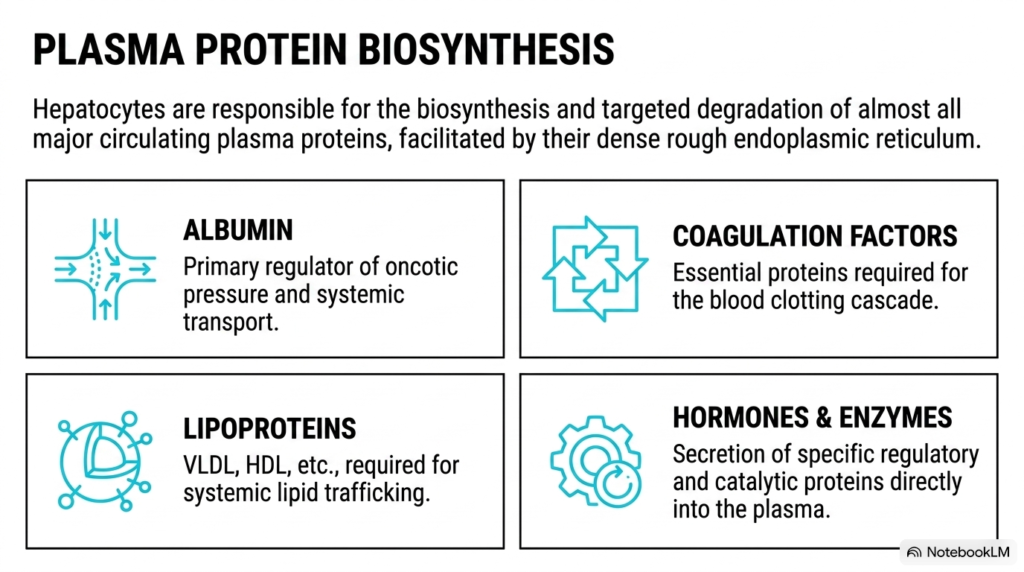
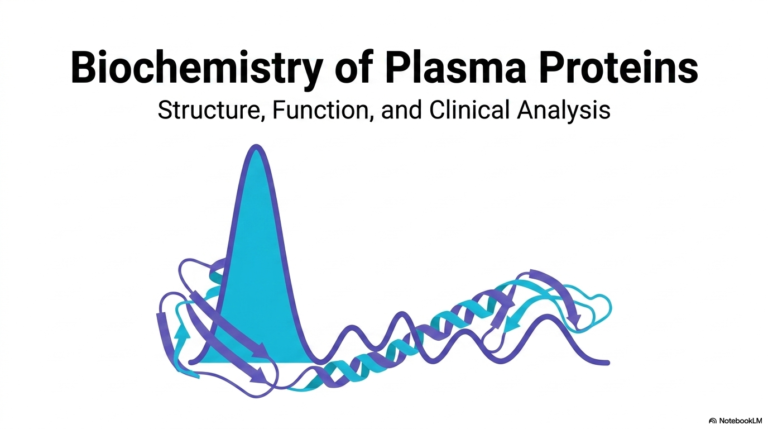
Beyond small-molecule synthesis, hepatic tissue serves as the body’s primary manufacturing center for circulating plasma proteins. Specialized cellular organelles within hepatocytes, particularly the dense rough endoplasmic reticulum, provide the biochemical machinery required for high-volume protein synthesis. Through these organized structures, the liver produces almost all major functional proteins found in human blood plasma under normal physiological conditions throughout life and development.
Among these synthesized products, albumin represents the most abundant plasma protein, playing a fundamental role in maintaining colloid osmotic pressure and transporting hormones, drugs, and free fatty acids through blood vessels throughout the body. Additionally, the liver synthesizes essential coagulation factors required for the blood-clotting cascade, as well as transport lipoproteins that move hydrophobic lipids throughout the body’s vascular network to nourish distant tissues and peripheral organs.
The liver also secretes key regulatory hormones and catalytic enzymes directly into systemic circulation to modulate distant tissues and organs. These specialized proteins maintain vascular volume, modulate immune responses, and coordinate systemic metabolic functions across distant organs. Continuous protein synthesis ensures that blood plasma volume and critical transport systems remain stable under changing physiological conditions in daily life.
For clinical students, evaluating plasma protein levels provides crucial diagnostic insights into hepatic synthetic capacity during disease evaluation. Conditions that impair protein synthesis lead to clinical manifestations such as peripheral edema and severe bleeding disorders. These pathological states show how liver metabolism directly supports cardiovascular stability and hematologic homeostasis across diverse clinical scenarios and patient populations.
Slide 9: Biotransformation and Detoxification in Liver Metabolism
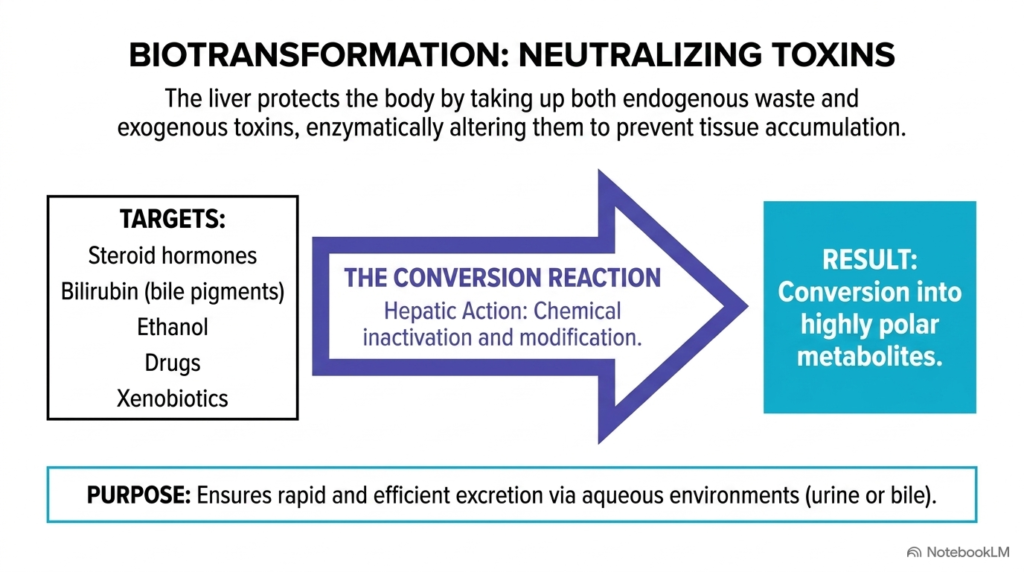
The human body is constantly exposed to internal waste products and external chemical compounds that require enzymatic modification prior to clearance. Through sophisticated biotransformation pathways, liver metabolism protects systemic tissues by chemically inactivating and modifying these substances. Hepatocytes absorb circulating steroid hormones, bilirubin, ethanol, pharmaceuticals, and environmental xenobiotics to prevent toxic cellular accumulation and systemic tissue injury in daily life and medical contexts.
Biotransformation typically occurs in distinct enzymatic phases that convert lipophilic compounds into water-soluble metabolites. In Phase I, hepatocytes add or unmask functional groups through oxidation, reduction, or hydrolysis. Subsequently, Phase II reactions conjugate these intermediates with polar molecules, ensuring that liver metabolism renders potentially harmful compounds non-toxic and easily excretable through physiological fluid systems without causing cellular toxicity or oxidative stress.
The resulting polar metabolites are safely excreted from the body through aqueous pathways, entering urine via the kidneys or bile via the biliary system. This dual clearance route ensures that both water-soluble and lipid-soluble toxins are systematically eliminated, maintaining a clean internal biochemical environment for all organs and peripheral tissues throughout life under diverse environmental conditions and chemical exposures encountered in everyday environments.
Appreciating biotransformation is fundamental for pharmacology and medical toxicology in clinical practice. Variations in hepatic enzyme activity directly influence drug metabolism, therapeutic efficacy, and potential toxicity in human patients. Ultimately, these protective pathways highlight how liver metabolism serves as an indispensable defense shield against internal metabolic waste and external chemical threats encountered in daily life.
Slide 10: The Hepatic Reservoir and Nutrient Storage in Liver Metabolism
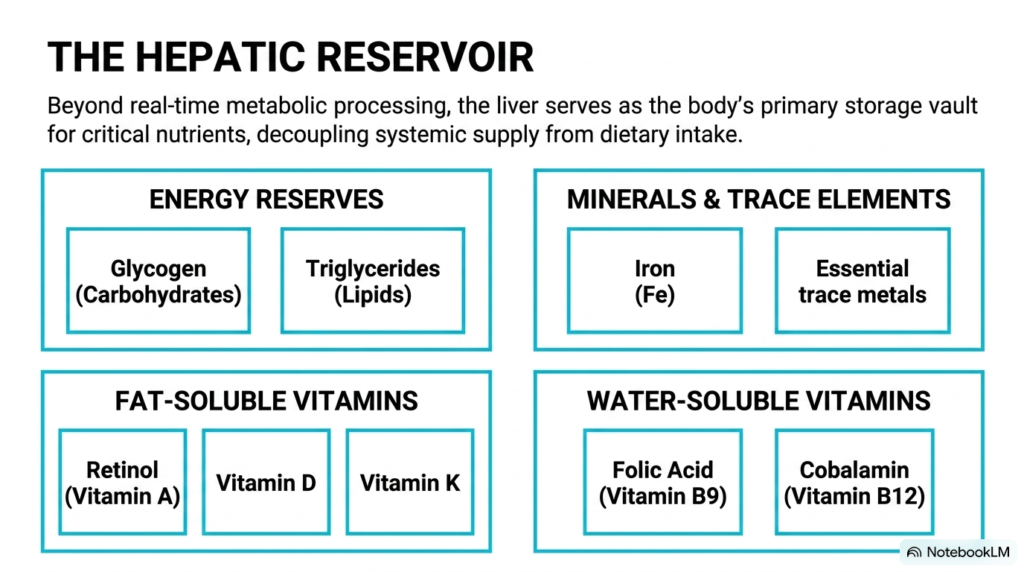
Beyond active real-time metabolic processing, the liver serves as the body’s primary storage vault for vital energy substrates and essential micronutrients. This reservoir function decouples systemic nutrient availability from immediate dietary intake, ensuring physiological stability during fasting or nutritional deprivation. Through these storage mechanisms, liver metabolism safeguards the body against sudden nutrient shortages and metabolic stress in daily life and emergency states across all life stages.
Energy reserves are stored as glycogen for rapid glucose release and as triglycerides for long-term lipid availability across peripheral tissues throughout the human body. Furthermore, liver metabolism regulates the accumulation of critical minerals and trace elements, such as iron stored within ferritin complexes, which are essential for hemoglobin synthesis and cellular enzyme function across multiple physiological systems to prevent anemia and tissue hypoxia.
In addition to essential minerals, hepatic tissue stores crucial fat-soluble and water-soluble vitamins for systemic distribution when needed. Retinol (Vitamin A), Vitamin D, and Vitamin K are sequestered within specialized hepatic cells, while water-soluble vitamins like folic acid and cobalamin are maintained in significant quantities to support ongoing DNA synthesis and cellular division across the organism during health and tissue growth in human physiology.
Understanding the hepatic reservoir provides deep insight into chronic nutritional deficiencies and metabolic disorders seen in medical practice. By buffering nutrient availability over extended timeframes, liver metabolism protects peripheral organs from extreme nutritional fluctuations. This physiological buffer demonstrates how storage mechanisms support long-term metabolic resilience and whole-body survival under harsh environmental conditions and nutritional stress.
Slide 11: Diagnostics Matrix of Liver Metabolism
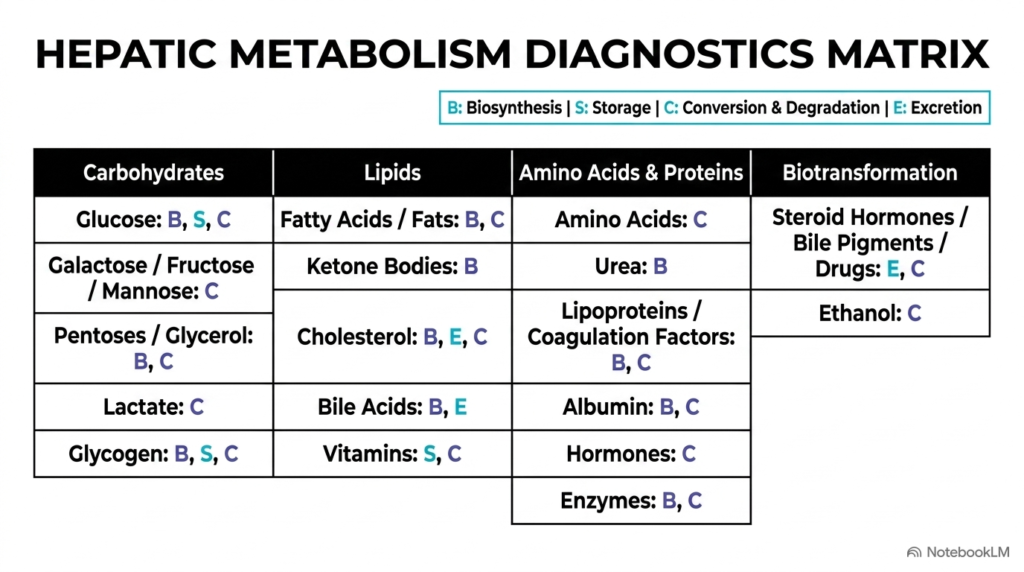
The hepatic diagnostics matrix provides a structured clinical framework for categorizing how different biomolecules are metabolically processed in the liver. This analytical matrix classifies biochemical activities into four primary functional categories: biosynthesis, storage, conversion and degradation, and excretion. By organizing metabolic pathways into this clear grid, clinicians can evaluate liver metabolism systematically across carbohydrate, lipid, protein, and xenobiotic pathways in clinical settings, diagnostic evaluations, and laboratory medicine.
For instance, carbohydrates like glucose undergo biosynthesis, storage, and conversion, whereas dietary sugars such as fructose and galactose undergo specific conversion pathways within hepatocytes. In lipid processing, fatty acids undergo biosynthesis and conversion, while cholesterol undergoes biosynthesis, conversion, and excretion as bile acids. Through this matrix approach, liver metabolism reveals clear patterns of molecular handling across distinct biochemical classes in human physiology and clinical medicine.
Similarly, amino acids are converted to fuel energy pathways, while toxic nitrogen is processed into urea through biosynthetic pathways. Biotransformation pathways focus on conversion and excretion to neutralize drugs, ethanol, and steroid hormones effectively within hepatic tissue. This matrix allows researchers and clinicians to map specific metabolic functions directly to diagnostic biomarkers used in clinical laboratory testing for disease diagnosis and treatment monitoring.
For life science and medical students, mastering this matrix offers a comprehensive summary of hepatic biochemistry. By connecting individual metabolic pathways to clinical diagnostics, students gain a unified perspective on how liver metabolism sustains human health and systemic physiological homeostasis across diverse medical contexts and patient evaluations throughout clinical practice and medical science.
Please read our Content Disclaimer Statement.
Check out our social media channels: