99. Human Blood Composition: Cellular Elements and Plasma Functions
Have you ever wondered what exactly flows through your veins to keep you alive? This essential fluid acts as a bustling highway for nutrients, oxygen, and defense systems. The core purpose of this slide deck is to explore the complexities of human blood, breaking down its intricate biochemical structures and metabolic processes. By understanding these mechanisms, medical and college students can appreciate how the body maintains life at a molecular level.
Slide 1: Human Blood Composition – The Biochemistry of Blood and Why It Matters
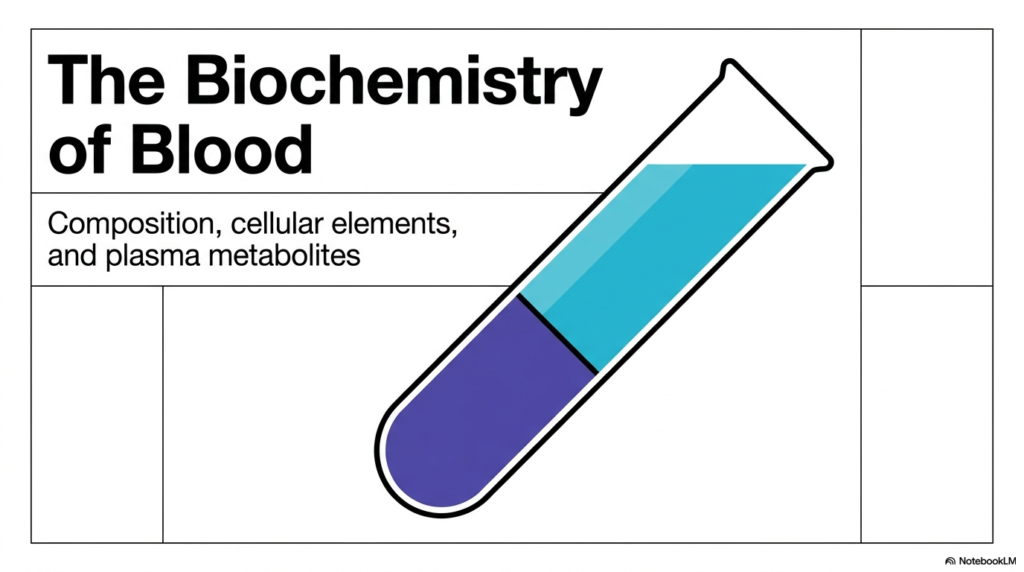
When students first examine human blood composition, they often view it simply as a red fluid that delivers oxygen. However, this highly specialized connective tissue is a dynamic biochemical matrix that requires rigorous study. The first slide introduces the foundational elements of the circulatory system, setting the stage for a detailed scientific journey. It highlights the crucial division between the liquid phase and the solid cellular components. Understanding human blood composition at this macroscopic level provides the necessary framework for any deeper biochemical analysis. Medical professionals rely on this basic breakdown every single day to diagnose patients.
The striking visual representation of a test tube separating into two distinct colored layers illustrates a fundamental clinical concept. The lower, denser layer represents the packed cellular elements, while the upper layer signifies the plasma metabolites. This visual separation is the starting point for studying human blood composition in practical laboratory settings. It forcefully reminds observers that blood is an aqueous suspension, rather than a simple homogeneous fluid. Grasping this distinction is absolutely crucial for medical students who will eventually analyze complex hematology lab results. The physical properties of these layers dictate their physiological behavior.
The slide’s text sets the immediate stage for a comprehensive exploration of plasma metabolites and specialized cellular functions. Biochemistry reveals precisely how these individual components interact continuously to sustain systemic life. The upcoming slides will systematically delve into the precise chemical nature of these separate layers. Students will soon discover how various metabolites navigate this complex aqueous environment to reach their designated target tissues. The overarching goal of this entire presentation is to decode the intricate chemical language of this vital physiological fluid. Every component plays a highly specific role.
As the educational presentation unfolds, the primary focus will remain anchored on the molecular and cellular interactions occurring within this fluid matrix. This biochemical journey through the human vascular system promises a rigorous yet accessible look at metabolic processes. The subsequent slides build directly upon this introductory visual to reveal life’s most essential biochemical mechanisms. Preparing for these details ensures a robust understanding of human physiology.
Slide 2: Human Blood Composition – The Macro-Composition of the Blood Compartment
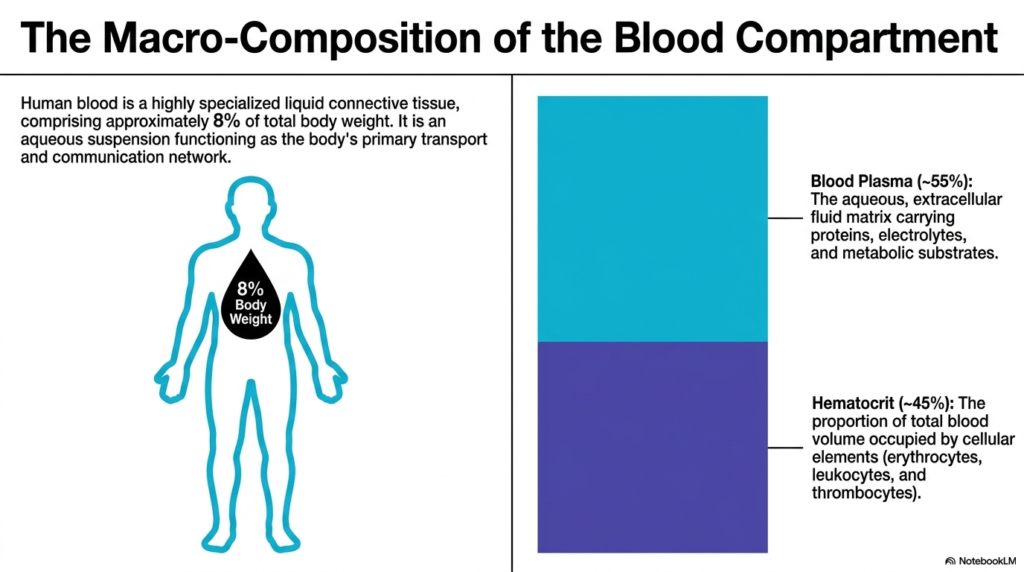
Delving into the macroscopic view reveals that human blood composition constitutes approximately eight percent of total body weight. This highly specialized liquid connective tissue functions as the primary transport and communication network for the entire organism. The visual breakdown on the slide clearly divides this fluid into two main compartments: the blood plasma and the hematocrit. Grasping the exact mathematical percentages of human blood composition is essential for understanding fluid dynamics within the body. The plasma phase makes up roughly fifty-five percent of the total volume, acting as the critical solvent.
Blood plasma acts as the aqueous, extracellular fluid matrix responsible for carrying vital biological molecules. This liquid portion transports plasma proteins, circulating electrolytes, and numerous metabolic substrates to tissues throughout the body. Understanding this specific aspect of human blood composition allows students to conceptualize how hormones and nutrients travel systemically. Without this fluid matrix, cellular communication and nutrient delivery would completely halt. The plasma provides the necessary volume and pressure to ensure these molecules reach the most distal capillary beds. This makes it an indispensable component of the circulatory system.
The remaining forty-five percent of the total volume is known as the hematocrit, representing the proportion occupied by solid cellular elements. This fraction contains the erythrocytes, leukocytes, and thrombocytes necessary for respiration, defense, and clotting. The distinct ratio between plasma and hematocrit is a heavily regulated physiological parameter. Any significant deviation in this ratio indicates a potential underlying pathology, such as severe dehydration or anemia. Recognizing these normal values provides a baseline for future clinical pathology courses. The balance between fluid and cells remains delicate and dynamic.
Together, these two distinct fractions create a continuous aqueous suspension that reaches almost every single cell within the human organism. The macro-composition slide establishes the basic anatomical reality of the circulatory system. From this broad perspective, students can now zoom in to examine the microscopic and molecular entities that populate these fractions. This foundation prepares the audience for the detailed biochemical analysis ahead.
Slide 3: Human Blood Composition – The Four Pillars of Blood Physiology
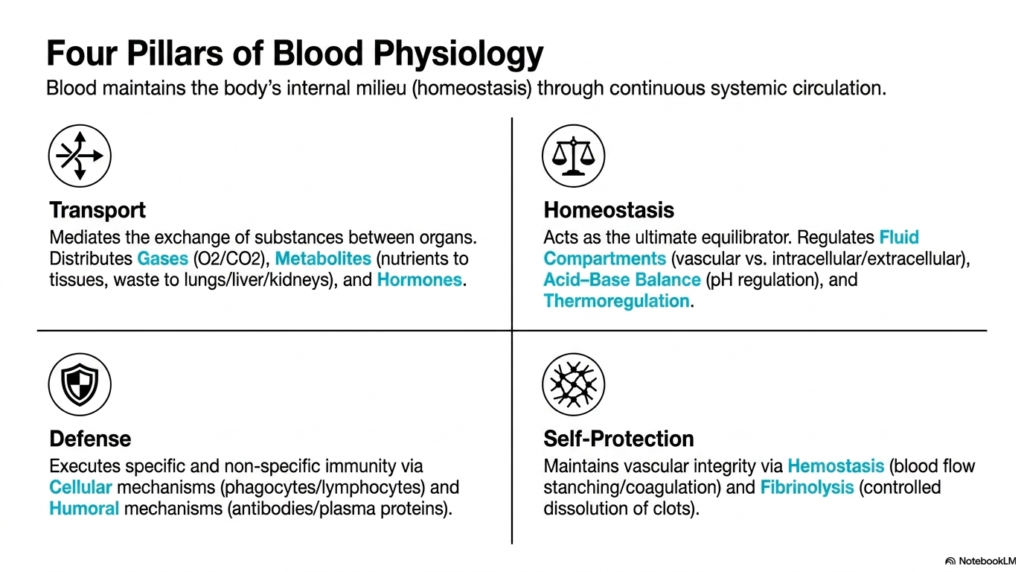
A comprehensive functional understanding of human blood composition requires examining its core physiological responsibilities. This slide clearly outlines the four foundational pillars of blood physiology: systemic transport, homeostasis, defense, and self-protection. These continuous, dynamic actions ultimately maintain the body’s delicate internal milieu. By analyzing these specific pillars, biochemistry students can directly connect human blood composition to overarching organismal survival. The transport function alone mediates the essential exchange of substances between entirely diverse organ systems. It rapidly distributes respiratory gases, vital metabolic nutrients, and regulatory endocrine hormones throughout the body.
The second pillar emphasizes the circulatory system’s role as the ultimate biological equilibrator. It actively regulates fluid compartments, ensuring the correct balance between vascular, intracellular, and extracellular spaces. Furthermore, it manages the critical acid-base balance and systemic thermoregulation. The specific aspects of human blood composition facilitate these complex buffering and heat distribution processes. Without these homeostatic mechanisms, cellular enzymes would quickly denature, and metabolic pathways would fail. The fluid effectively absorbs and redistributes heat generated by active metabolic tissues like skeletal muscle and the liver.
Defense and self-protection constitute the final two crucial pillars of this physiological framework. The defense mechanism executes both specific and non-specific immunity via cellular phagocytes and humoral plasma antibodies. Simultaneously, the self-protection pillar focuses on maintaining strict vascular integrity. This involves the intricate biochemical pathways of hemostasis to stanch bleeding and fibrinolysis to dissolve clots safely. Every cellular and protein element involved in these defense mechanisms is a vital part of the overall human blood composition. These protective systems constantly survey the vascular network for any signs of pathogenic intrusion or physical damage.
By categorizing these diverse functions into four distinct pillars, the immense complexity of the circulatory system becomes highly manageable for the learner. Each function relies heavily on specific molecules and cells that will be explored in subsequent sections. The continuous circulation of this fluid guarantees that these four pillars operate flawlessly around the clock. This sets the functional baseline for the entire cardiovascular system.
Slide 4: Human Blood Composition – Specialized Cells for Gas Transport and Hemostasis
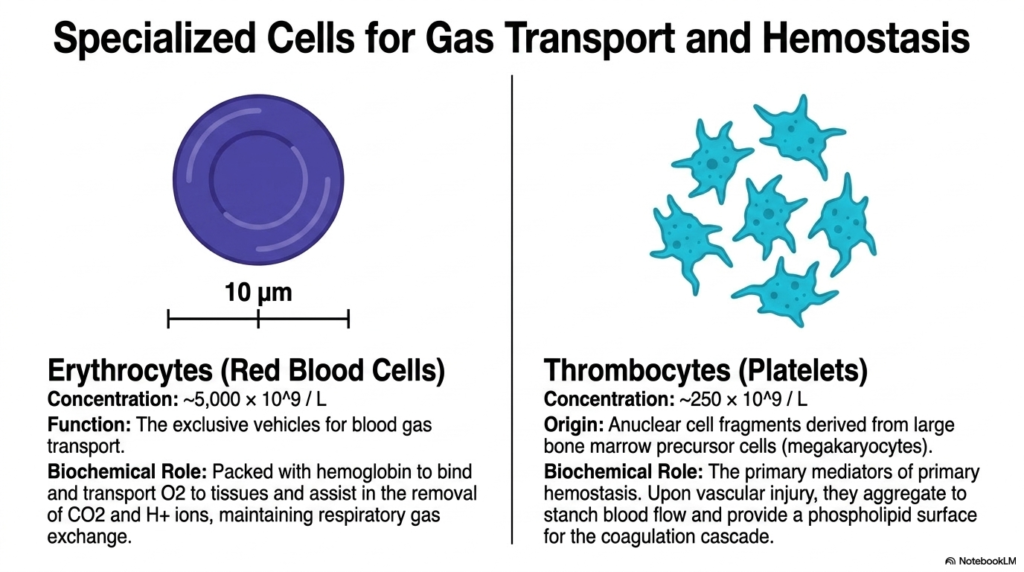
The solid fraction of human blood composition is completely dominated by highly specialized cellular elements. This slide introduces two of the most physiologically critical players: erythrocytes and thrombocytes. Erythrocytes, commonly known to students as red blood cells, exist in massive concentrations of approximately five trillion per liter. They function as the absolute exclusive cellular vehicles for systemic blood gas transport. Understanding this specific cellular aspect of human blood composition highlights the sheer remarkable scale of physiological respiration. These specialized cells are essentially tiny biochemical packages perfectly optimized for holding large amounts of hemoglobin molecules.
The biochemical role of the erythrocyte is brilliantly simple yet incredibly vital for organismal survival. Packed densely with hemoglobin, they actively bind and transport oxygen from the lungs to peripheral tissues. Concurrently, they heavily assist in the removal of carbon dioxide and free hydrogen ions. This constant shuttling maintains safe respiratory gas exchange and systemic pH levels. A detailed study of human blood composition must always emphasize the unique, anuclear structure of these red blood cells. Their biconcave shape maximizes the functional surface area for rapid gas diffusion across the cellular membrane.
Thrombocytes, or platelets, represent another fascinating element of human blood composition. Existing at concentrations of about two hundred and fifty billion per liter, these are not true cells but anuclear cell fragments. They are derived from massive bone marrow precursor cells known as megakaryocytes. Thrombocytes act as the primary biochemical mediators of primary hemostasis. Upon detecting any vascular injury, they quickly aggregate to form a physical plug that stanches immediate blood flow. They also provide a crucial negatively charged phospholipid surface required for the complex coagulation cascade to proceed efficiently.
Together, erythrocytes and thrombocytes manage two fundamental physiological aspects of vascular survival: tissue oxygenation and structural vascular integrity. Without functional erythrocytes, cellular oxidative phosphorylation in distal tissues would immediately cease. Without reactive thrombocytes, even minor daily capillary damage would result in potentially catastrophic fluid loss. These cellular elements perfectly highlight the incredible biological specialization found heavily within the circulatory system’s solid fraction.
Slide 5: Human Blood Composition – Leukocytes and the Immune Defense Network
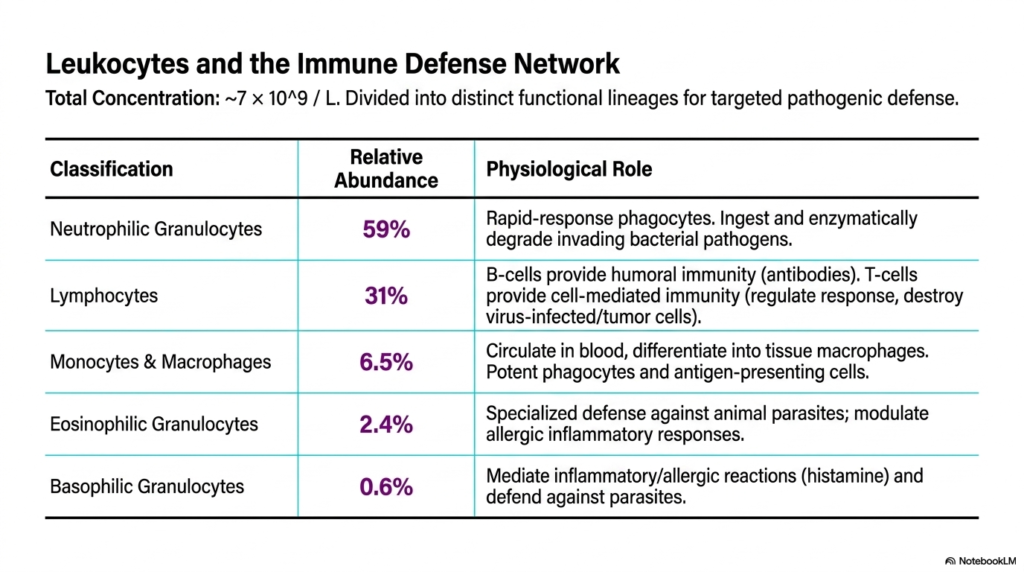
The potent defense capabilities of human blood composition are heavily dependent on the diverse and complex network of circulating leukocytes. While they make up a significantly smaller total concentration than red blood cells, their physiological and clinical impact is immense. Leukocytes are divided into distinct functional lineages designed for highly targeted defense against pathogens. Examining this white blood cell portion of human blood composition reveals a sophisticated, highly mobile immune army. The total concentration rests at approximately seven billion cells per liter. This mobile unit constantly polices the vascular and interstitial spaces for any dangerous foreign invaders.
Neutrophilic granulocytes completely dominate the leukocyte population, representing fifty-nine percent of the relative abundance. These cells act as rapid-response phagocytes that quickly ingest and enzymatically degrade invading bacterial pathogens. Lymphocytes constitute the second largest group at thirty-one percent, providing sophisticated humoral and cell-mediated immunity. B-cells generate specific antibodies, while T-cells regulate the overall response and destroy virus-infected or tumor cells. An analysis of human blood composition shows how these cellular ratios fluctuate dramatically during active infections. Monocytes and macrophages, making up roughly six and a half percent, are highly potent phagocytes and vital antigen-presenting cells.
The remaining fractions consist of specialized defenders known as eosinophilic and basophilic granulocytes. Eosinophils, at 2.4 percent, provide targeted defense against larger animal parasites and heavily modulate allergic inflammatory responses. Basophils are the rarest leukocytes, comprising merely 0.6% of the population. They play a crucial role in mediating inflammatory and allergic reactions by releasing potent histamine. Every leukocyte lineage adds a unique layer of security to the overall human blood composition. Their combined biochemical actions ensure the host organism can successfully repel a wide variety of microscopic threats.
Understanding the distinct physiological role of each leukocyte type is critical for students studying immunology and clinical hematology. The blood serves merely as a rapid transit highway for these cells to reach sites of tissue inflammation or infection. Once they arrive, they unleash a formidable array of biochemical weapons and signaling molecules. This immune network demonstrates the circulatory system’s incredible protective power.
Slide 6: Human Blood Composition – Distinguishing the Fluid Phase in Clinical Chemistry
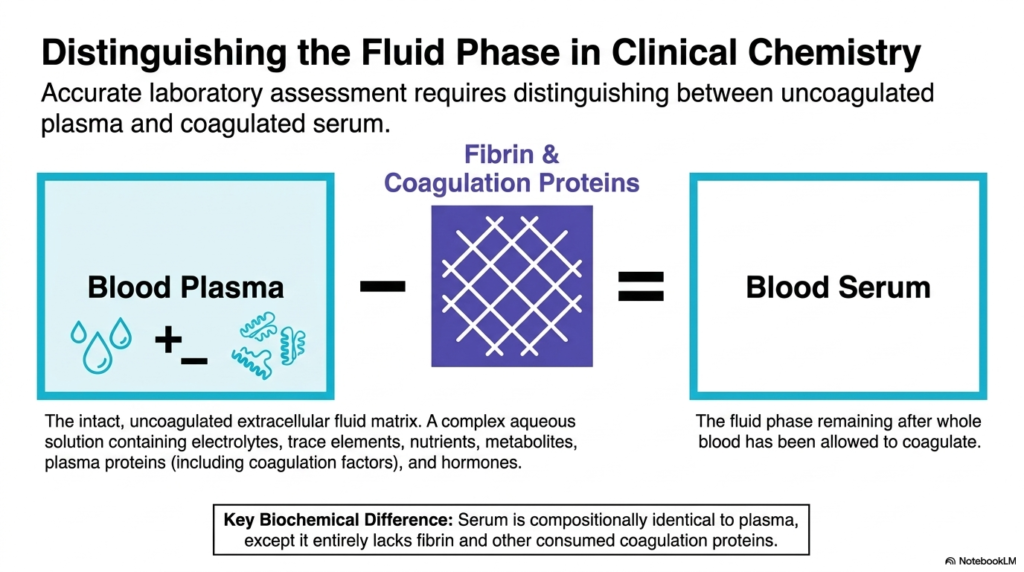
Accurate laboratory assessment of human blood composition heavily requires distinguishing between two distinct fluid phases: plasma and serum. While these terms are often used interchangeably by novices, they have precise biochemical definitions. Blood plasma represents the intact, uncoagulated extracellular fluid matrix. It is a highly complex aqueous solution containing vital electrolytes, trace elements, nutrients, and active hormones. Mastering this specific nuance of human blood composition is mandatory for anyone entering clinical chemistry or medical diagnostics. Understanding what remains in the fluid phase dictates which specific diagnostic tests can be successfully performed.
The central difference hinges entirely on the presence or absence of coagulation proteins, primarily fibrin. When a sample of whole blood is drawn and intentionally allowed to coagulate, a massive biochemical cascade consumes specific proteins. The resulting fluid phase that remains after this solid clot formation is defined clinically as blood serum. Therefore, a critical concept in human blood composition is that serum is compositionally identical to plasma, minus the consumed clotting factors. The large fibrin network physically traps the cellular elements, leaving behind a clear, yellowish fluid that cannot clot further.
For clinical chemistry, understanding this fundamental difference in human blood composition prevents potentially disastrous diagnostic errors. If a physician needs to measure circulating fibrinogen levels, they absolutely must request a plasma sample treated with a specific anticoagulant. If they test serum, the result will falsely show zero fibrinogen because it was entirely consumed during the localized clotting process in the tube. This slide visually reinforces the subtraction concept: plasma minus fibrin and coagulation proteins equals serum. This simple but profound biochemical equation governs thousands of daily laboratory procedures worldwide.
The ability to properly process and differentiate these fluid phases allows laboratories to accurately quantify the patient’s metabolic state. The fluid matrix, whether plasma or serum, holds the vast majority of clinically relevant biochemical markers. By understanding this distinction, students are prepared to correctly interpret lab panels and understand the physical properties of biological samples. This knowledge bridges the gap between theoretical biochemistry and practical medicine.
Slide 7: Human Blood Composition – Transmembrane Electrolyte Gradients
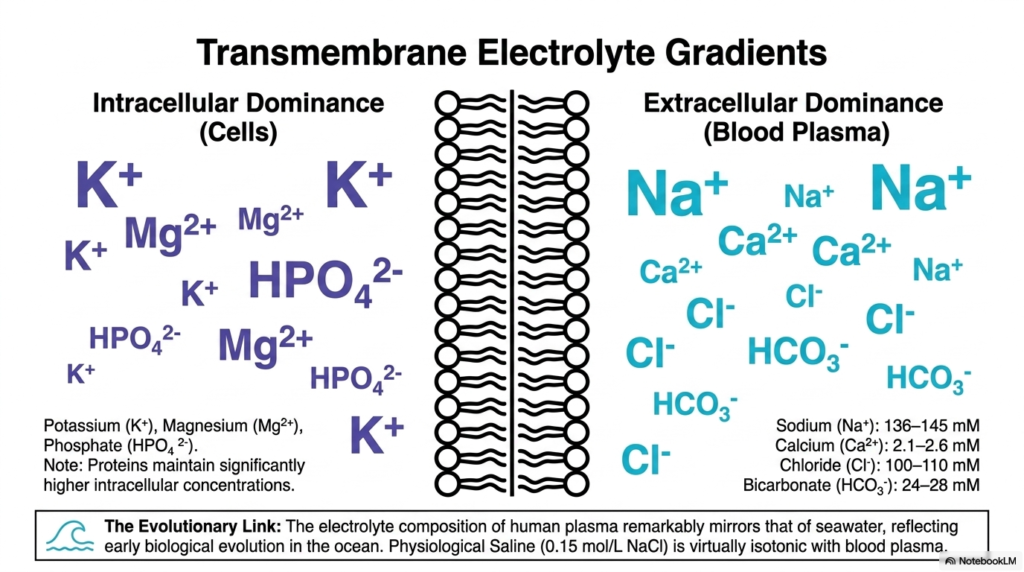
The regulation of transmembrane electrolyte gradients is a defining biophysical feature of human blood composition. Cells maintain a stark intracellular dominance of potassium, magnesium, and phosphate ions. In heavy contrast, the blood plasma exhibits a strong extracellular dominance of sodium, calcium, chloride, and bicarbonate ions. This profound separation of charged molecules is continuously maintained by active transport proteins and defines cellular excitability. Analyzing the electrolyte balance within human blood composition provides immense insight into basic neurophysiology and cardiac muscle function. Strictly maintaining these gradients consumes a large portion of the body’s daily energy expenditure.
The plasma concentrations of these extracellular ions are meticulously controlled to maintain osmotic pressure and proper cell volume. Sodium remains the most abundant extracellular cation, circulating tightly between one hundred thirty-six and one hundred forty-five millimolar. Chloride and bicarbonate act as the major accompanying anions, balancing the overall electrical charge of the fluid compartment. A biochemical understanding of human blood composition requires memorizing these specific physiological reference ranges. Any significant deviation in these extracellular concentrations can lead to rapid cellular swelling or devastating dehydration. These electrolytes are the fundamental biochemical drivers of water movement.
A fascinating aspect of human blood composition is its remarkable evolutionary link to ancient marine environments. The specific electrolyte composition of modern human plasma remarkably mirrors that of primordial seawater. This reflects our early evolutionary origins in the vast ocean. This is precisely why physiological saline, containing 0.915 moles per liter of sodium chloride, is virtually isotonic with blood plasma. This evolutionary remnant dictates modern medical fluid resuscitation therapies. When medical professionals administer intravenous fluids, they are essentially mimicking the ancient ocean to restore this critical electrolyte balance.
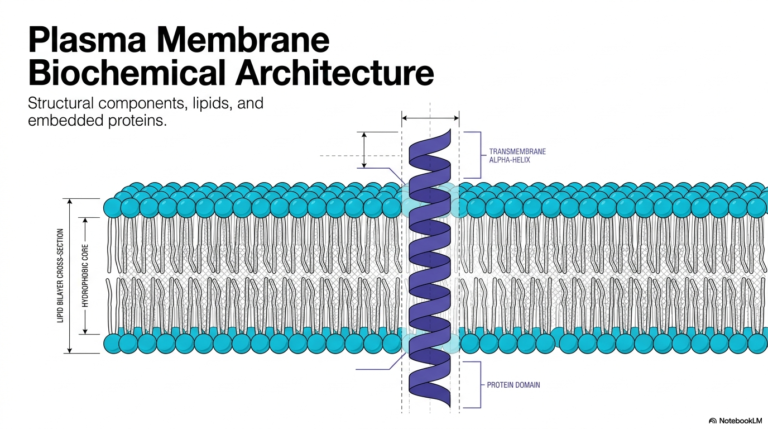
The lipid bilayer serves as the semi-permeable barrier that makes these distinct chemical gradients physically possible. Without this continuous biophysical separation, the plasma and intracellular fluids would simply reach a lethal equilibrium. These specific ion concentrations are not random; they are the finely tuned result of millions of years of biological optimization. Students must recognize that these electrolytes are the electrical foundation of human life.
Slide 8: Human Blood Composition – Plasma Metabolites: Nitrogenous Waste and Turnover
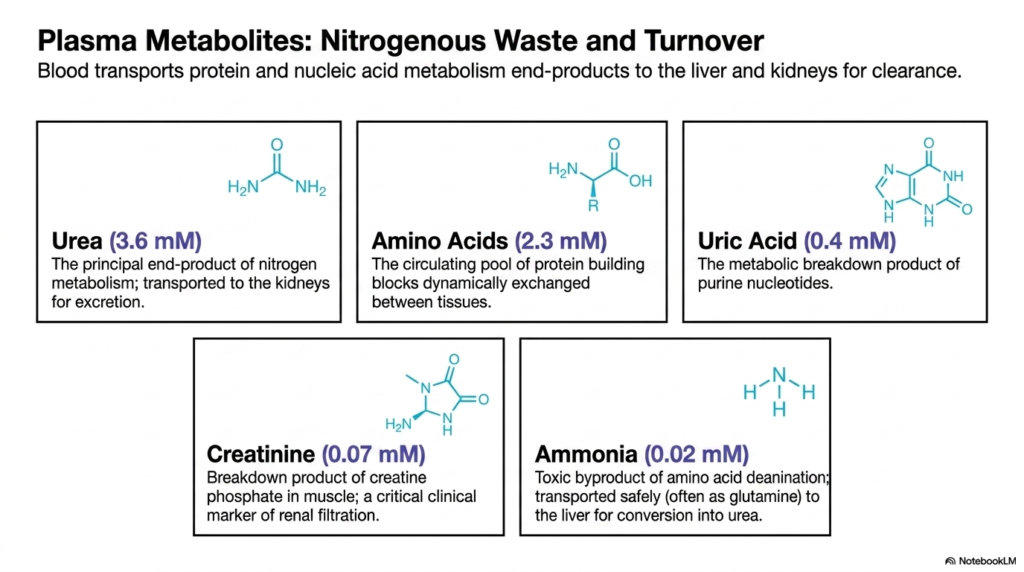
The fluid phase of human blood composition acts as a continuous circulatory waste management system. Blood rapidly transports the potentially toxic end-products of protein and nucleic acid metabolism directly to the liver and kidneys for safe clearance. This specific slide focuses heavily on these circulating nitrogenous waste products and vital systemic metabolite turnover rates. Studying this clearance aspect of human blood composition reveals how the body prevents the deadly internal accumulation of metabolic byproducts. Understanding the biochemistry of these specific molecules is crucial for correctly evaluating both renal filtration function and general liver health in any clinical setting.
Urea is the principal end-product of nitrogen metabolism, circulating at approximately 3.6 millimolar before being excreted by the kidneys. It serves as a non-toxic transport molecule for excess nitrogen generated during amino acid breakdown. Uric acid, present at roughly zero point four millimolar, is the specific metabolic breakdown product of purine nucleotides. A thorough evaluation of human blood composition often includes measuring creatinine levels, which circulate at a very low 0.07 millimolar. Creatinine is the direct breakdown product of creatine phosphate in active muscle tissue and acts as a premier clinical marker of renal filtration.
Ammonia is a highly toxic byproduct of amino acid deamination and must be handled with extreme biochemical care. It circulates at incredibly low levels, approximately 0.02 millimolar, to prevent severe neurological damage. It is safely transported, often trapped as harmless glutamine, to the liver for rapid enzymatic conversion into urea. The continuous measurement of these nitrogenous wastes is a foundational aspect of studying human blood composition. Additionally, a dynamic circulating pool of free amino acids supplies the cellular building blocks required for constant tissue repair and protein synthesis.
The vascular network ensures that cellular waste never accumulates locally within actively metabolizing tissues. The liver synthesizes these transport molecules, and the kidneys reliably filter them out into the urine. This constant biochemical turnover prevents rapid systemic toxicity and maintains internal stability. Students must understand these clearance pathways to grasp the circulatory system’s full metabolic role.
Slide 9: Human Blood Composition – Plasma Metabolites: Substrates for Cellular Energy
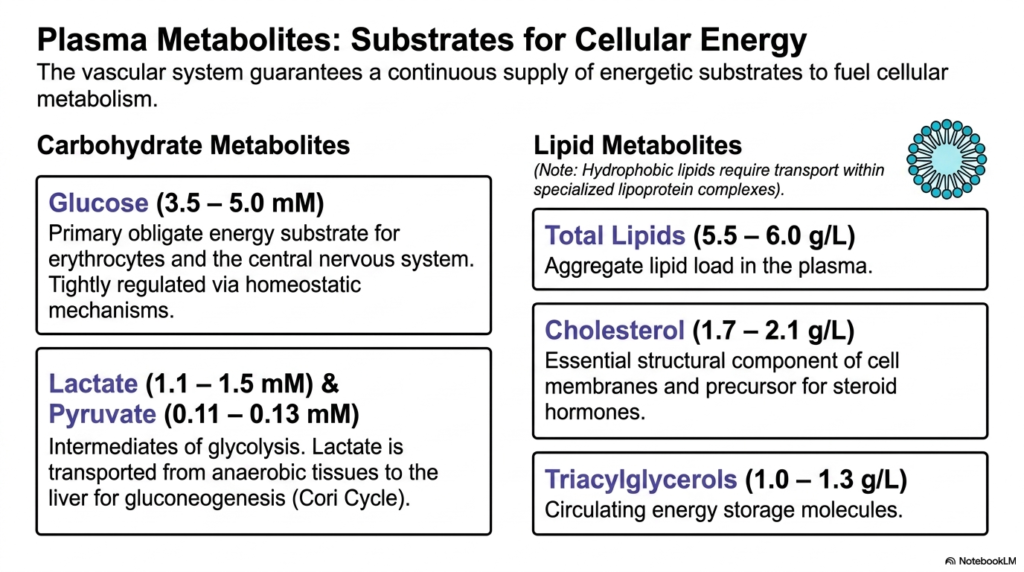
Beyond mere waste removal, human blood composition is fundamentally defined by its crucial role as a rapid nutrient delivery system. The extensive vascular system firmly guarantees a continuous, uninterrupted supply of energetic substrates to fuel cellular metabolism across all major organ systems. This specific slide details the major circulating carbohydrate and lipid metabolites required for human systemic survival. Analyzing the energetic substrates within human blood composition provides a clear window into systemic endocrine regulation and metabolic health. Without the precise maintenance of these energetic molecules, highly active tissues like the brain and the beating heart would rapidly fail.
Glucose serves as the primary obligate energy substrate for erythrocytes and the entire central nervous system. Circulating tightly between 3.5 and 5.0 millimolar, its concentration is rigorously controlled via powerful homeostatic hormonal mechanisms. Lactate and pyruvate, intermediates of cellular glycolysis, also circulate freely within the plasma. A key dynamic in human blood composition involves the transport of lactate from anaerobic tissues back to the liver for gluconeogenesis, a process known as the Cori Cycle. This efficient recycling mechanism absolutely ensures that precious carbon skeletons are never wasted during intense metabolic exertion.
Lipid metabolites present a unique biochemical challenge because hydrophobic lipids require specialized transport within complex structures. Total plasma lipids represent the aggregate lipid load constantly traveling through the vascular compartment. Cholesterol is an essential structural component of cell membranes and the precursor for all systemic steroid hormones. Understanding the lipid profile within human blood composition is a critical aspect of preventative cardiovascular medicine. Furthermore, triacylglycerols act as the primary circulating energy storage molecules, constantly shuttling massive amounts of potential metabolic energy between the digestive tract, the active liver, and vast peripheral adipose tissues.
The blood acts as a dynamic reservoir that balances energy intake, storage, and immediate cellular demand. Hormones like insulin and glucagon constantly manipulate the concentrations of these plasma metabolites based on the body’s fed or fasting state. This balancing act ensures that no cell ever starves while preventing dangerous nutrient toxicity. Grasping these substrate concentrations is essential for understanding systemic human metabolism.
Slide 10: Human Blood Composition – Chemical Equilibrium in Gas Transport and Acid-Base Buffering
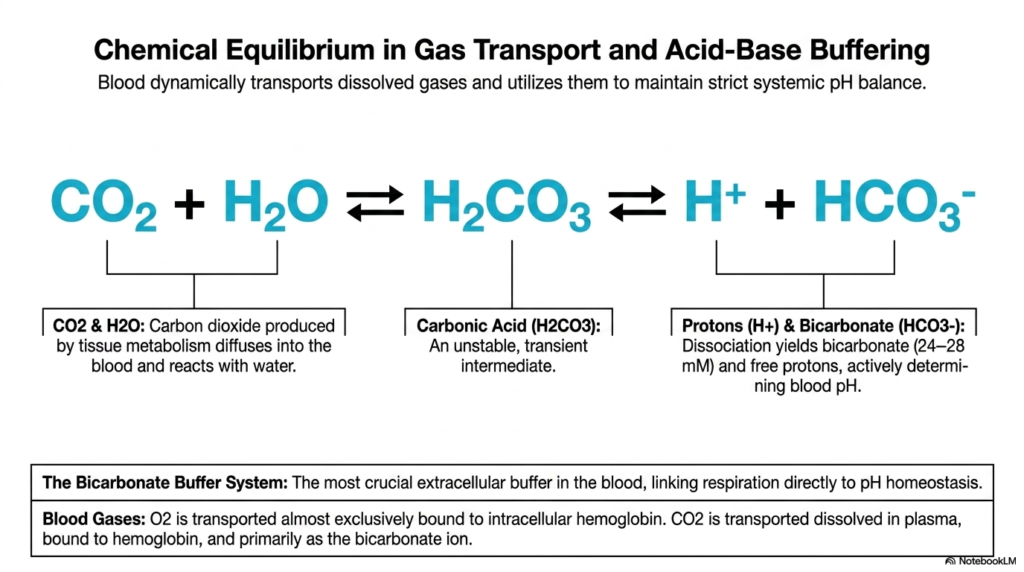
One of the most conceptually challenging aspects of human blood composition involves rapid chemical equilibrium and buffering. Blood continuously transports dissolved metabolic gases and heavily utilizes them to maintain a strict, life-saving systemic pH balance. This slide elegantly breaks down the complex bicarbonate buffer system, the most crucial extracellular buffer in the entire organism. Examining this specific chemical reaction reveals how human blood composition links physical respiration directly to molecular pH homeostasis. The dynamic interplay between carbon dioxide, water, and free protons dictates the acidic state of the internal environment.
The core biochemical reaction begins when carbon dioxide produced by massive tissue metabolism diffuses directly into the circulating blood. It quickly reacts with water to form carbonic acid, a highly unstable and transient chemical intermediate. This weak acid immediately dissociates to yield free protons and the stable bicarbonate ion. A vital feature of human blood composition is the large circulating pool of this bicarbonate, typically measuring between twenty-four and twenty-eight millimolar. These free protons actively determine the circulating blood pH, making their tight regulation a matter of absolute biological life or death.
The bicarbonate buffer system brilliantly links lung ventilation directly to renal ion excretion. While oxygen is transported almost exclusively bound to intracellular hemoglobin, carbon dioxide utilizes multiple completely different pathways. It is transported partially dissolved in the plasma, partially bound to hemoglobin, but primarily exists as the circulating bicarbonate ion. A thorough understanding of human blood composition necessitates mastering this specific three-part equilibrium equation. If the lungs fail to exhale carbon dioxide properly, the entire chemical equation rapidly shifts to generate massive amounts of lethal free protons, causing severe respiratory acidosis.
This dynamic chemical equilibrium demonstrates that the circulatory fluid is highly chemically reactive and constantly adjusting to metabolic demands. The enzymes that facilitate these rapid reactions, like carbonic anhydrase, work at astonishing physiological speeds to prevent toxic pH swings. Students must view the vascular network not just as pipes, but as a continuous, flowing chemical reactor. This buffering capacity is what allows humans to survive intense exercise and metabolic stress.
Slide 11: Human Blood Composition – The Ultimate Homeostatic Engine
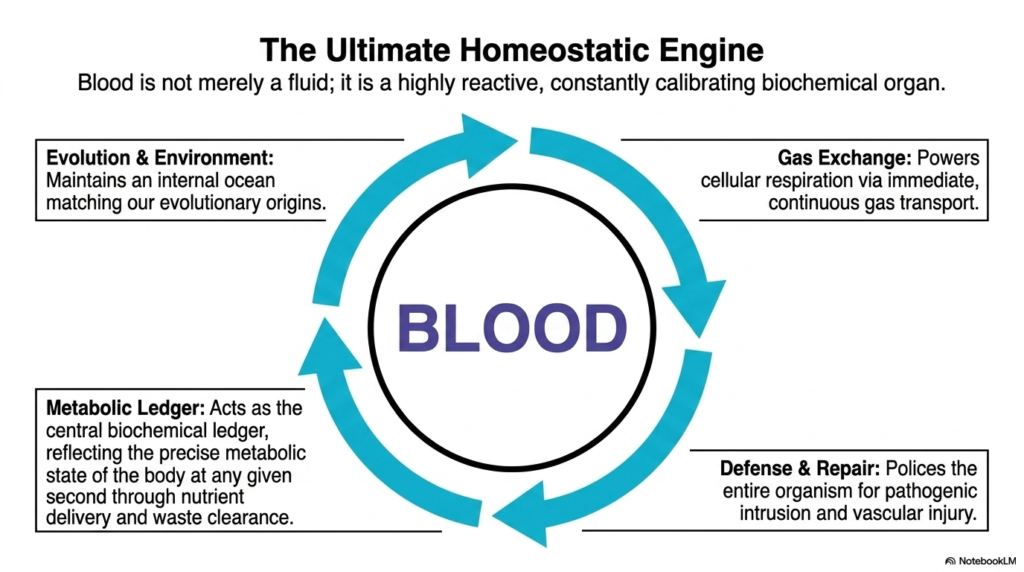
The final slide synthesizes all previous concepts to firmly establish human blood composition as the ultimate homeostatic engine. Blood is explicitly not merely a passive biological fluid; it is a highly reactive, constantly calibrating, dispersed biochemical organ. The visual wheel summarizes the continuous, interlocking cycles of gas exchange, defense, metabolic ledgering, and evolutionary preservation. Concluding our deep dive into human blood composition requires viewing these separate systemic functions as a unified whole. The relentless, rhythmic pumping of the heart ensures this engine never stops processing and balancing the internal environment.
Continuous gas exchange directly powers vital cellular respiration via the immediate and uninterrupted transport of critical molecular oxygen. Simultaneously, the vascular defense and repair mechanisms aggressively police the entire host organism for severe pathogenic intrusion or physical vascular injury. Every element of human blood composition plays a specific, designated role in maintaining this massive internal biological ocean. This internal fluid matrix remarkably matches our deep evolutionary origins, effectively providing a stable marine-like environment for our delicate mammalian cells. This profound evolutionary connection highlights the absolute biological perfection of the circulatory system.
Most importantly, the circulatory fluid acts as the central biochemical ledger for the entire human organism. It constantly reflects the body’s precise metabolic state at any given second through massive nutrient delivery and rapid waste clearance. By analyzing human blood composition, a skilled physician can accurately read this metabolic ledger to diagnose complex systemic diseases. The fluid continuously balances the metabolic checkbook, ensuring that energetic substrates match cellular demand perfectly. The harmonious integration of plasma metabolites and specialized cellular elements represents the pinnacle of physiological adaptation.
As students progress through their medical and scientific training, this foundational knowledge will serve as a critical diagnostic tool. Every chemical value, cellular count, and pH measurement tells a detailed story about the patient’s internal metabolic reality. The biochemistry of the vascular system is the ultimate testament to the complexity and resilience of human life. Understanding this fluid organ is the absolute key to mastering systemic physiology.
Please read our Content Disclaimer Statement.
Check out our social media channels: