104. Erythrocyte Metabolism: Pathways and Oxidative Protection
Imagine a delivery vehicle transporting highly reactive cargo through twisting networks for 120 days without breaking down. That is the daily reality for the human red blood cell. The core purpose of this slide deck is to explore the precise biochemical mechanisms by which these specialized cells survive this hazardous biological journey. This exploration of Erythrocyte Metabolism: Pathways and Oxidative Protection reveals the critical chemical defenses deployed against constant oxygen toxicity. By understanding these baseline processes, medical students can better grasp how the human body maintains systemic oxygen delivery under immense chemical stress.
Slide 1: Erythrocyte Metabolism: Pathways and Oxidative Protection – Introduction: How Cells Survive Oxygen
Red blood cells lack mitochondria and a nucleus, leaving them entirely dependent on specialized internal systems to survive their demanding lifespan. The broad and fascinating topic of Erythrocyte Metabolism: Pathways and Oxidative Protection encompasses the unique, streamlined ways these cells produce energy and shield themselves from severe internal damage. The initial slide visualizes the biconcave red blood cell surrounded by conceptual electron orbits. This artistic representation symbolizes the constant, microscopic chemical reactions that are essential for cellular stability and function. Every single second, millions of reactions occur just to keep the cell intact.
These protective strategies are absolutely vital because the primary physiological cargo, molecular oxygen, is inherently dangerous to organic cellular structures. Without a robust and continuously active system of Erythrocyte Metabolism: Pathways and Oxidative Protection, the delicate lipid cell membrane and essential transport proteins would rapidly degrade. This introductory visual sets the stage for a highly detailed journey into how the cell uses specific enzymes and unique antioxidant molecules to maintain a delicate chemical balance. The absence of complex organelles means the cell relies on pure, fundamental biochemistry to thrive.
Throughout this comprehensive educational series, readers will discover the exact biological pathways that keep these remarkable cells functioning day after day. The focused approach of stripping away unnecessary cellular machinery makes this biological topic a perfect model for understanding cellular survival mechanisms. The subsequent slides will break down the precise threats and the brilliant evolutionary solutions that guarantee safe oxygen delivery throughout the human body.
Slide 2: Erythrocyte Metabolism: Pathways and Oxidative Protection – The Oxygen Paradox: Balancing Life and Toxicity
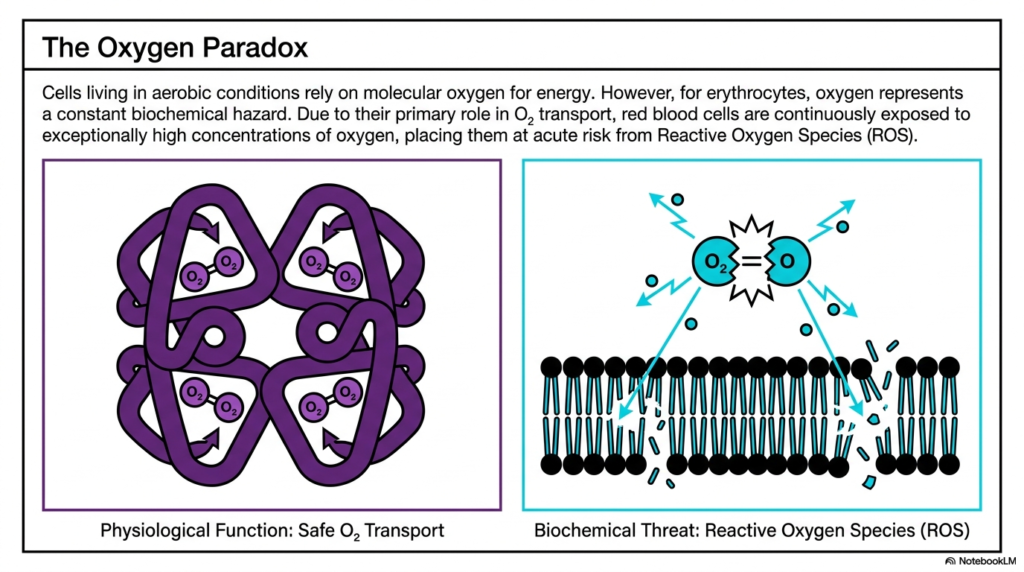
The very molecule that sustains human life also possesses the capacity to destroy it. This concept is commonly known as the oxygen paradox. Cells living in aerobic environments require molecular oxygen for energy production, but red blood cells face a unique challenge. Because their primary role is oxygen transport, they are continuously exposed to exceptionally high oxygen concentrations. This acute exposure necessitates a dedicated system of Erythrocyte Metabolism: Pathways and Oxidative Protection to prevent immediate cellular destruction from highly reactive byproducts.
As the slide elegantly illustrates, the physiological function of safe oxygen transport happens within the hemoglobin protein complex. However, this exact same environment poses a massive biochemical threat in the form of Reactive Oxygen Species (ROS). When oxygen molecules split or gain excess electrons improperly, they become volatile. Without the constant, active vigilance of Erythrocyte Metabolism: Pathways and Oxidative Protection, these volatile molecules would violently attack the cell’s structural foundations, leading to premature cell death and systemic failure.
The diagram on the right side of the slide demonstrates the physical damage ROS can inflict on the cellular architecture. Reactive oxygen species act like molecular shrapnel, tearing through the lipid bilayer of the delicate cell membrane. To counteract this relentless assault, the erythrocyte relies on Erythrocyte Metabolism: Pathways and Oxidative Protection. This overarching metabolic framework provides the necessary chemical shields to successfully neutralize ROS before they can rupture the membrane and cause the cell to prematurely burst in the bloodstream.
Understanding the dual nature of oxygen is essential for any student of biochemistry or medicine. The red blood cell must perfectly balance its role as a dedicated oxygen courier with the need to defend its structural integrity against its cargo. This delicate balancing act forms the foundational reason why these highly specialized metabolic pathways evolved. The subsequent slides will explore the specific timelines and dangerous chemical intermediates that make molecular oxygen so hazardous to the unprotected biological cell.
Slide 3: Erythrocyte Metabolism: Pathways and Oxidative Protection – Sequential Electron Addition: The Path to Danger
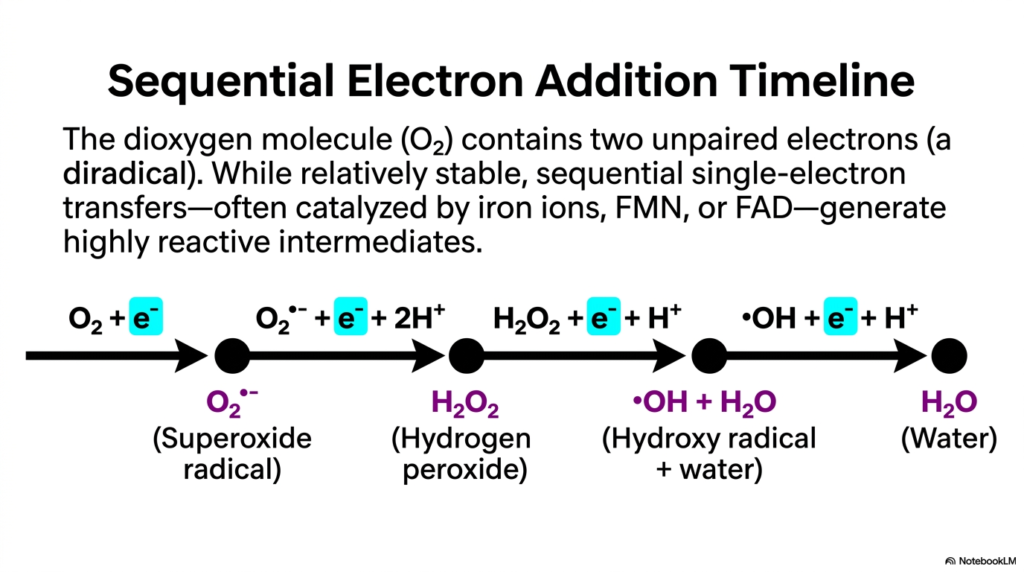
To properly understand the severe threat oxygen poses, one must closely examine its core molecular structure. The standard dioxygen molecule contains two unpaired electrons, making it a diradical. While this specific form is relatively stable on its own, interactions with metal ions such as iron can readily trigger sequential single-electron transfers. These transfers generate highly reactive intermediates. Managing these intermediates is a central focus of Erythrocyte Metabolism: Pathways and Oxidative Protection, as each electron addition creates a new, potentially more dangerous chemical species.
The slide outlines the specific, sequential timeline of these electron additions. When molecular oxygen accepts a single electron, it transforms into the superoxide radical. This specific radical is the very first major chemical threat in the sequence. If left unchecked, the superoxide radical accepts another electron and two protons to become hydrogen peroxide. The absolute biological imperative of Erythrocyte Metabolism: Pathways and Oxidative Protection is to intercept these molecules before they can progress further down this dangerous timeline toward much more destructive forms.
The most critical phase of this entire sequence is the formation of the hydroxy radical. If hydrogen peroxide accepts another electron, it rapidly splits into a hydroxy radical and water. The hydroxy radical is exceptionally volatile and will immediately damage any nearby cellular structure. The entire robust framework of Erythrocyte Metabolism: Pathways and Oxidative Protection exists primarily to prevent the accumulation of this specific, extremely dangerous radical, ultimately driving the reactions safely toward the final product of harmless water.
By charting this sequential addition of electrons, medical and biochemistry students can accurately visualize exactly how and where the cell must intervene. Each discrete step in this chemical progression represents a specific, critical vulnerability for the red blood cell’s structural integrity. The highly specialized enzymes discussed in future sections are precisely targeted by evolution to interrupt this exact chemical timeline. Recognizing these intermediate stages is absolutely crucial for understanding how cells safely neutralize the inherent toxicity of their vital oxygen cargo.
Slide 4: Erythrocyte Metabolism: Pathways and Oxidative Protection – Enzymatic Disproportionation: Neutralizing Reactive Intermediates
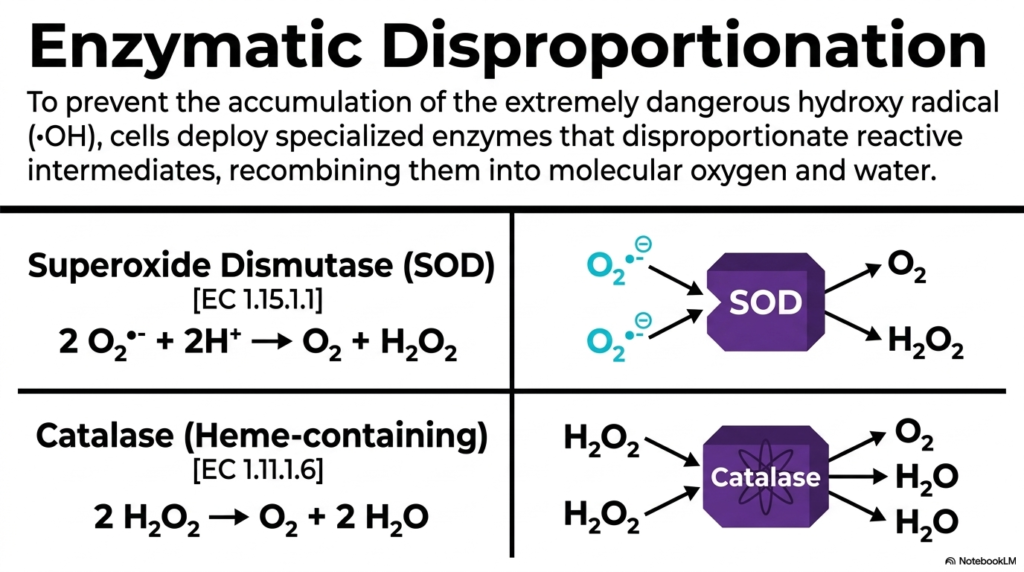
Cells cannot simply hide from reactive oxygen species; they must actively and continuously dismantle them. To prevent the accumulation of the dangerous hydroxyl radical, cells deploy highly specialized enzymes that disproportionate reactive intermediates. Disproportionation is a chemical process in which a molecule is simultaneously oxidized and reduced, thereby transforming it into safer compounds. This active dismantling is a fundamental pillar of Erythrocyte Metabolism: Pathways and Oxidative Protection, ensuring that reactive species are safely recombined into standard molecular oxygen and water.
The very first line of enzymatic defense is Superoxide Dismutase, commonly abbreviated as SOD. As clearly shown in the slide, SOD takes two superoxide radicals and forces them to react with hydrogen ions. This specific reaction yields molecular oxygen and hydrogen peroxide. This step is a vital, non-negotiable component of Erythrocyte Metabolism: Pathways and Oxidative Protection because it rapidly clears out the initial radical threat, even though it produces hydrogen peroxide, which still requires further processing to become completely harmless to the cell.
To carefully handle the newly formed hydrogen peroxide, the cell utilizes a heme-containing enzyme called Catalase. Catalase rapidly decomposes two molecules of hydrogen peroxide, producing oxygen and two molecules of water. This rapid, two-step enzymatic tandem showcases the absolute elegance of Erythrocyte Metabolism: Pathways and Oxidative Protection. The coordinated, rapid effort between SOD and Catalase ensures that dangerous intermediates are swiftly processed down the safety timeline before any structural damage can occur.
These fascinating enzymatic reactions perfectly highlight the highly specific, evolved nature of cellular defense mechanisms. The enzymes act as remarkably efficient biochemical molecular machines, perfectly shaped to capture and swiftly process very specific toxic threats. By studying SOD and Catalase in detail, medical and biochemistry students can appreciate the rapid, life-saving chemical conversions happening constantly within the human bloodstream. Without these specific enzymes functioning at incredibly high speeds, the delicate red blood cell would completely succumb to overwhelming oxidative stress within hours.
Slide 5: Erythrocyte Metabolism: Pathways and Oxidative Protection – Antioxidant Classifications: The Chemical Sacrifices
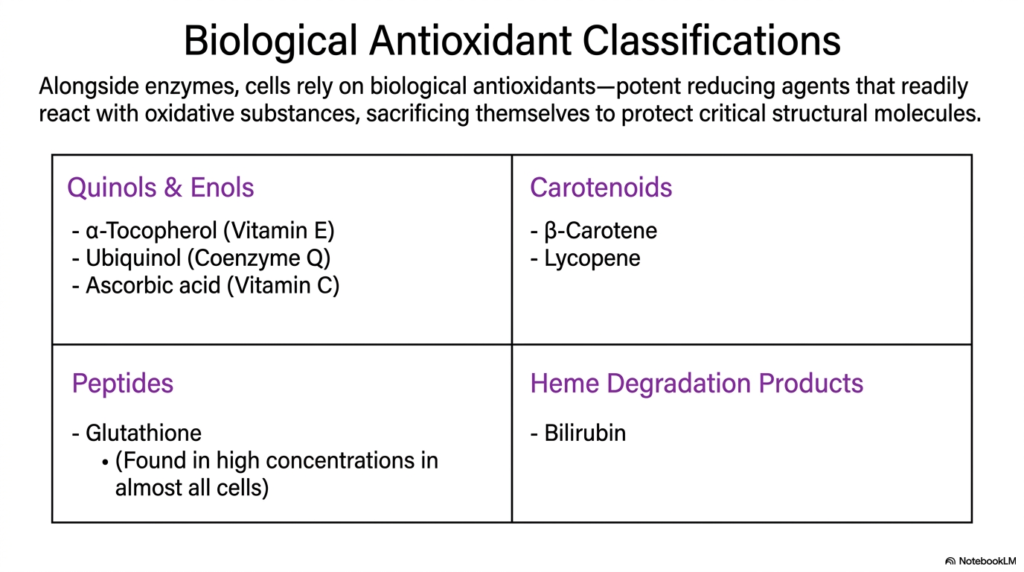
Enzymes alone are simply insufficient to protect the red blood cell from every oxidative threat. Alongside these protein-based molecular machines, cells rely heavily on various biological antioxidants. These antioxidants are potent reducing agents that readily react with oxidative substances. They essentially sacrifice themselves to protect critical structural molecules from irreversible damage. This sacrificial strategy is a fundamental, necessary aspect of Erythrocyte Metabolism: Pathways and Oxidative Protection, providing a broad chemical shield across many different cellular compartments.
The slide carefully categorizes these vital biological antioxidants into four distinct groups. The first group includes Quinols and Enols, such as Vitamin E, Coenzyme Q, and Vitamin C. These specific molecules are excellent electron donors. The second group comprises carotenoids such as beta-carotene and lycopene, which are highly effective at quenching specific types of reactive oxygen species. Incorporating these varied chemical classes ensures that Erythrocyte Metabolism: Pathways and Oxidative Protection is robust enough to successfully handle multiple types of oxidative stress simultaneously.
The third category features Peptides, with Glutathione being the absolute most prominent example. Glutathione is found in extremely high concentrations in almost all cells and plays an outsized role in internal defense. The final category includes Heme Degradation Products, such as bilirubin. Together, these unique classifications form a comprehensive, sweeping network of Erythrocyte Metabolism: Pathways and Oxidative Protection. They work cooperatively to neutralize any rogue radicals that somehow manage to escape the primary enzymatic defense systems detailed previously.
Categorizing these crucial antioxidants helps medical students thoroughly understand that cellular defense is always a multi-layered, synergistic approach. While specific enzymes target specific threats, these broad-spectrum reducing agents constantly circulate through the intracellular environment, remaining fully ready to intercept random oxidative attacks. Understanding the drastically different chemical natures of these antioxidants—ranging from lipid-soluble membrane vitamins to water-soluble intracellular peptides—reveals exactly how the cell meticulously guards every single physical layer of its structure against the unrelenting threat of oxygen toxicity.
Slide 6: Erythrocyte Metabolism: Pathways and Oxidative Protection – Glutathione Architecture: Built for Defense
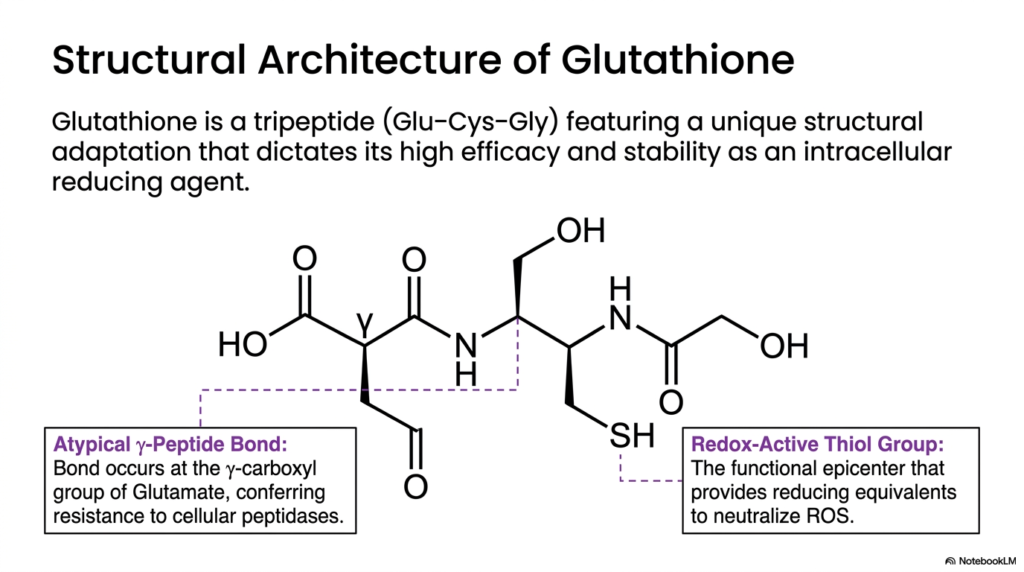
Among all biological antioxidants, Glutathione stands completely apart due to its highly specialized molecular design. Glutathione is a tripeptide, meaning it is constructed from three specific amino acids: glutamate, cysteine, and glycine. This highly unique structural adaptation dictates its high efficacy and stability as an intracellular reducing agent. A deep dive into its unique chemical architecture is absolutely essential for mastering Erythrocyte Metabolism: Pathways and Oxidative Protection, as this single molecule performs a massive share of the daily defensive workload.
The slide prominently highlights two major structural features that make Glutathione so incredibly effective. The first is the atypical gamma-peptide bond located between the glutamate and cysteine residues. Unlike standard peptide bonds, this linkage occurs at the gamma-carboxyl group of glutamate. This brilliant evolutionary quirk is a core feature of Erythrocyte Metabolism: Pathways and Oxidative Protection because it confers high resistance to standard cellular peptidases, preventing the molecule from being prematurely degraded by the cell’s own machinery.
The second, and arguably most important, physical feature is the redox-active thiol group strictly provided by the cysteine residue. This sulfhydryl group serves as the molecular epicenter of function. It provides the crucial reducing equivalents—the electrons—needed to rapidly neutralize reactive oxygen species. This specific chemical interaction is the undeniable cornerstone of Erythrocyte Metabolism: Pathways and Oxidative Protection, allowing Glutathione to safely donate electrons to dangerous radicals, instantly rendering them harmless to the surrounding cellular structures.
Examining the exact, precise molecular structure of Glutathione provides a truly perfect example of how complex chemical form dictates vital biological function in biochemistry. The specialized molecule is rugged enough to resist standard metabolic degradation, yet remains highly reactive exactly where it needs to be to neutralize imminent chemical threats. For dedicated medical students, a thorough understanding of this unique architectural structure beautifully illuminates why Glutathione is so widely relied upon across vastly different tissue types to manage oxidative stress and maintain long-term cellular viability.
Slide 7: Erythrocyte Metabolism: Pathways and Oxidative Protection – The Redox Cycle: Recycling the Shield
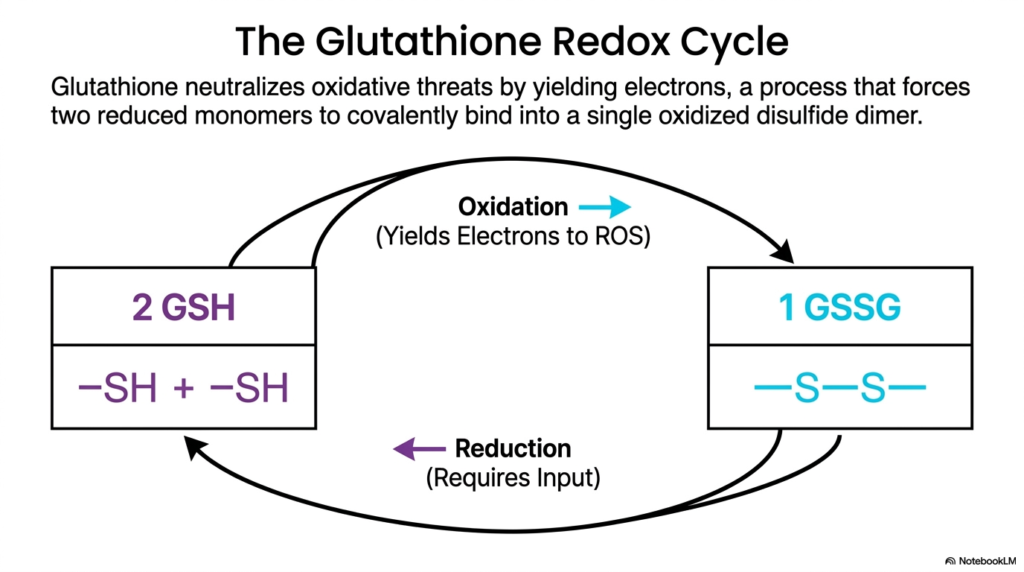
Because a red blood cell has a very long lifespan and absolutely no ability to synthesize new proteins from scratch, it cannot afford to discard its antioxidants after a single use. Glutathione neutralizes oxidative threats by donating its electrons, but it must be continuously recycled to remain functional. This unbroken, continuous loop is a central engine of Erythrocyte Metabolism: Pathways and Oxidative Protection, ensuring the cell always has an active, ready supply of reducing agents to face the relentless oxygen hazard.
The dynamic cycle begins when two reduced Glutathione monomers, labeled as GSH, encounter a reactive oxygen species. During the rapid oxidation phase, these two molecules willingly donate their electrons to the chemical threat. The chemical result of this donation forces the two monomers to covalently bind together, forming a single oxidized disulfide dimer known as GSSG. This conversion is a highly necessary sacrifice within Erythrocyte Metabolism: Pathways and Oxidative Protection, successfully neutralizing the immediate cellular danger before damage occurs.
However, the accumulation of oxidized GSSG is completely useless for future defense. The cycle must be actively completed via a reduction phase, which requires metabolic energy to forcibly break the disulfide bond and restore the two active GSH monomers. The constant, unbroken turning of this specific cycle is exactly what makes Erythrocyte Metabolism: Pathways and Oxidative Protection so effective throughout the cell’s 120-day lifespan. Without this recycling mechanism, the cellular antioxidant supply would deplete entirely in mere minutes.
This highly dynamic cellular process elegantly demonstrates the fundamental biological principle of strict molecular conservation. Rather than constantly expending resources to import large amounts of entirely new antioxidants, the cell intelligently uses targeted metabolic energy to quickly restore the potent molecules it already has. Thoroughly understanding this continuous redox cycle is absolutely fundamental for biochemistry students, as it connects the abstract concept of neutralizing a chemical threat to the very real energetic cost required to maintain that continuous chemical defense system.
Slide 8: Erythrocyte Metabolism: Pathways and Oxidative Protection – Bifurcated Metabolism: Two Paths to Survival
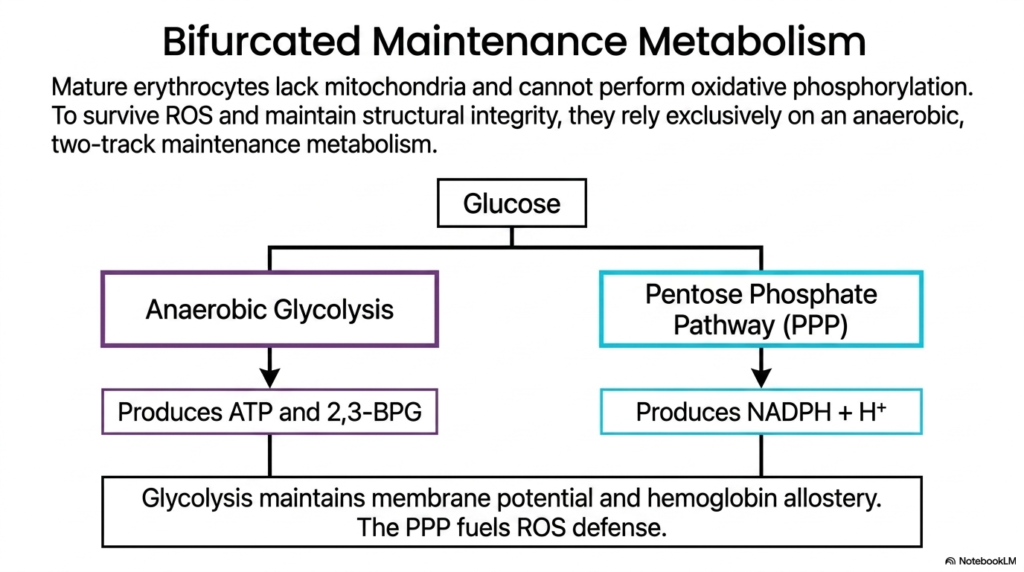
Mature erythrocytes are highly specialized, having intentionally shed their mitochondria during development to maximize internal space for hemoglobin. Without mitochondria, they simply cannot perform oxidative phosphorylation to generate massive amounts of energy. To survive reactive oxygen species and successfully maintain structural integrity, they rely exclusively on an anaerobic, two-track maintenance metabolism powered entirely by glucose. This dual-pathway approach forms the complete energetic foundation of Erythrocyte Metabolism: Pathways and Oxidative Protection, strictly dividing cellular resources to handle different survival requirements.
The very first track of this bifurcated system is Anaerobic Glycolysis. As glucose enters this specific pathway, it is broken down to produce basic ATP and a specialized molecule called 2,3-Bisphosphoglycerate (2,3-BPG). While ATP handles routine cellular operations, 2,3-BPG is critically crucial for modifying hemoglobin behavior. This specific branch of Erythrocyte Metabolism: Pathways and Oxidative Protection is strictly dedicated to maintaining the physical membrane potential and ensuring the oxygen transport protein functions with the correct physical affinity for oxygen.
The second operational track is the Pentose Phosphate Pathway, often referred to as the PPP. Instead of generating ATP, this pathway selectively processes glucose to produce NADPH and a hydrogen ion. This specific chemical output is the exclusive, necessary fuel for the cell’s internal defense systems. The division of labor within Erythrocyte Metabolism: Pathways and Oxidative Protection is perfectly balanced: glycolysis maintains the structural and physiological machinery, while the PPP provides the precise reducing power needed to continuously combat oxidative stress.
Visualizing this strictly bifurcated metabolism is absolutely crucial to fully understanding the remarkable life cycle of the mature red blood cell. The specialized cell takes in a single, simple primary fuel source—glucose—and effectively splits its chemical potential into two entirely different, yet equally critical, operational outcomes. For advanced medical students, this comprehensive slide serves as the master foundational map of erythrocyte function, perfectly illustrating how vital energy generation and necessary chemical defense are inextricably linked through a single, elegant metabolic divergence.
Slide 9: Erythrocyte Metabolism: Pathways and Oxidative Protection – Glycolysis: Powering the Pumps and Proteins
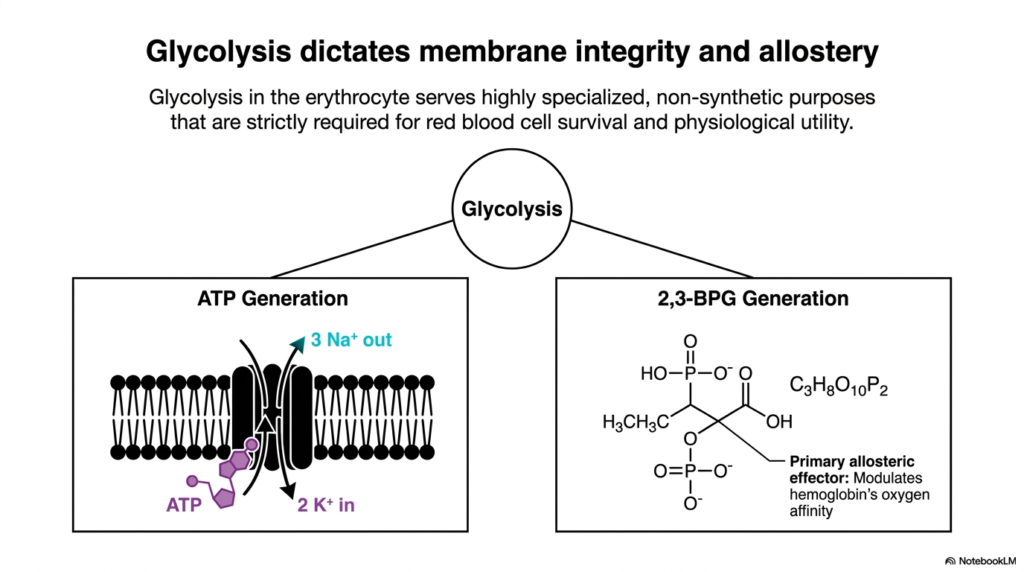
In most somatic cells, glycolysis is merely the first, brief step in a long chain of energy production. However, in the streamlined red blood cell, glycolysis serves highly specialized, non-synthetic functions strictly required for baseline survival and physiological utility. The erythrocyte does not use this metabolic energy to grow or divide. Within the specific context of Erythrocyte Metabolism: Pathways and Oxidative Protection, glycolysis is exclusively tuned to preserve the structural integrity of the cell membrane and carefully regulate oxygen delivery.
The left side of the slide clearly illustrates the steady generation of ATP. This ATP is primarily used to directly power the sodium-potassium pumps located within the cell membrane. These mechanical pumps constantly move three sodium ions out of the cell and two potassium ions in. This active transport is a highly vital piece of Erythrocyte Metabolism: Pathways and Oxidative Protection because it meticulously maintains the internal osmotic balance. Without this continuous pumping, water would rush in, causing the cell to swell and rapidly burst.
The right side of the slide carefully details the highly specific generation of 2,3-Bisphosphoglycerate, or 2,3-BPG. This unique molecule acts as the primary allosteric effector for hemoglobin. By physically binding to hemoglobin, 2,3-BPG successfully decreases the protein’s affinity for oxygen, ensuring that oxygen is efficiently released into the body’s tissues. While not directly fighting free radicals, this branch of Erythrocyte Metabolism: Pathways and Oxidative Protection guarantees that the cell actually fulfills its biological purpose rather than hoarding oxygen.
This detailed slide clearly demonstrates that even universally fundamental biological pathways, such as glycolysis, are beautifully and precisely adapted to highly specific cellular needs. The streamlined erythrocyte utilizes a universal biological process to brilliantly solve localized mechanical and chemical challenges. Thoroughly understanding exactly how ATP prevents catastrophic osmotic lysis and how 2,3-BPG forces essential oxygen offloading gives biochemistry students a beautifully comprehensive view of how abstract metabolic energy is applied in practice to sustain the life and mechanical function of the cell.
Slide 10: Erythrocyte Metabolism: Pathways and Oxidative Protection – The Pentose Phosphate Pathway: Fueling the Defenses
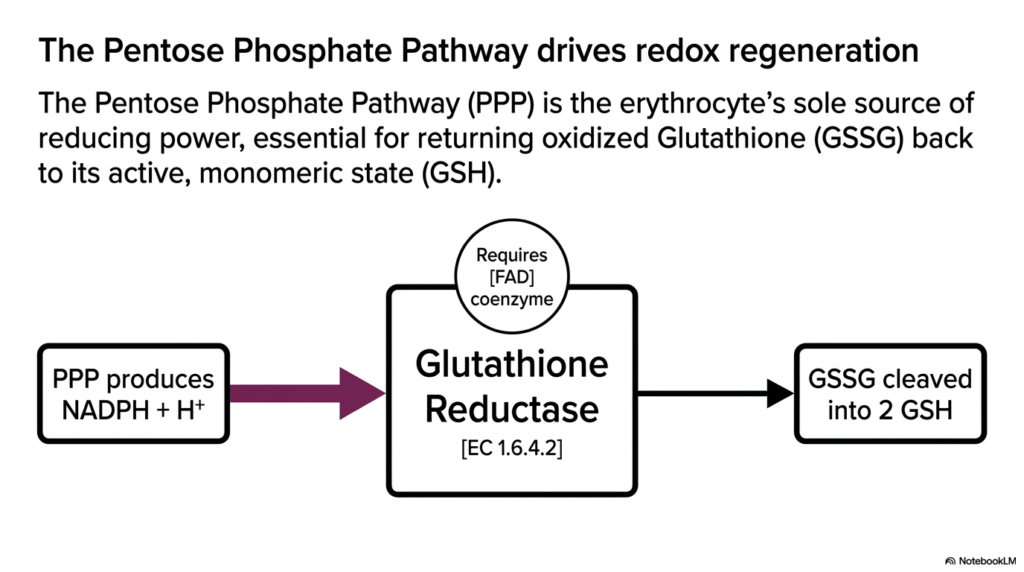
The second major branch of the red blood cell’s streamlined metabolic system is entirely dedicated to robust chemical defense. The Pentose Phosphate Pathway, or PPP, is the erythrocyte’s sole, exclusive source of reducing power. It achieves this vital task by continuously producing the molecule NADPH. This specific pathway is the absolute critical engine driving Erythrocyte Metabolism: Pathways and Oxidative Protection, as the NADPH it generates is essential for restoring oxidized Glutathione to its active, monomeric state to fight another day.
As the detailed slide clearly illustrates, the PPP takes glucose derivatives and skillfully extracts electrons to form NADPH, along with a hydrogen ion. This potent chemical fuel is then fed directly into a specialized enzyme called Glutathione Reductase. This specific, targeted enzymatic reaction is the absolute linchpin of Erythrocyte Metabolism: Pathways and Oxidative Protection. Glutathione Reductase strictly requires the FAD coenzyme to function, using the reducing power of NADPH to forcefully break the strong disulfide bond that holds the oxidized Glutathione dimer together.
By actively cleaving the oxidized dimer, Glutathione Reductase successfully yields two fresh, highly active molecules of reduced Glutathione (GSH). This continuous, unbroken regeneration is the ultimate purpose of the PPP in these specific cells. Without this dedicated branch of Erythrocyte Metabolism: Pathways and Oxidative Protection, the cell’s limited antioxidant supply would be instantly overwhelmed by the constant barrage of reactive oxygen species generated during oxygen transport, leading to catastrophic cellular collapse.
For biochemistry and medical students, this pathway perfectly illustrates the vital concept of coupled metabolic reactions. Energy is carefully harvested from glucose via a specialized pathway to drive a restorative chemical reaction in another defensive system. The PPP does not create physical structures or mechanical movement for the cell; rather, it creates pure, life-saving chemical potential. Understanding this specific generation of NADPH clarifies exactly how the red blood cell pays the ongoing energetic cost required to maintain its continuous shield against severe oxidative toxicity throughout its entire lifespan.
Slide 11: Erythrocyte Metabolism: Pathways and Oxidative Protection – Lipid Defense: Shielding the Membrane
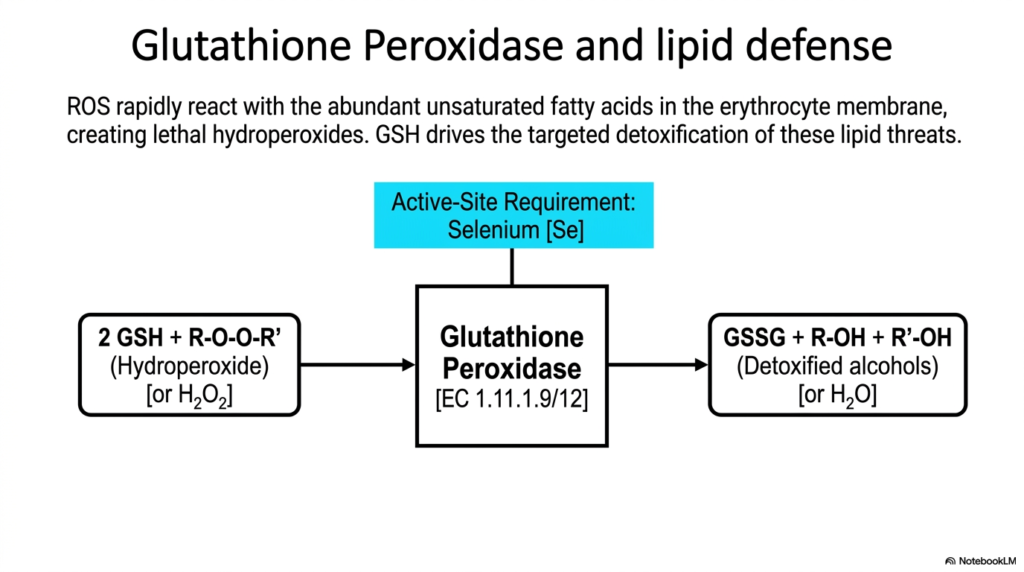
While water-soluble radicals pose a massive threat in the cellular cytoplasm, the external cell membrane is equally vulnerable to attack. Reactive oxygen species rapidly react with the highly abundant unsaturated fatty acids that make up the erythrocyte membrane, easily creating highly lethal lipid hydroperoxides. If left unchecked, these hydroperoxides cause a rapid chain reaction that completely shreds the membrane. To actively combat this, Erythrocyte Metabolism: Pathways and Oxidative Protection relies entirely on Glutathione to drive the targeted detoxification of these specific lipid threats.
The dedicated enzyme primarily responsible for this targeted defense is Glutathione Peroxidase. As clearly depicted in the diagram, this specialized enzyme takes two molecules of reduced Glutathione (GSH) and directly uses them to safely process dangerous hydroperoxides or standard hydrogen peroxide. This interaction is a highly specialized execution of Erythrocyte Metabolism: Pathways and Oxidative Protection. A fascinating structural requirement of Glutathione Peroxidase is that it strictly relies on the trace mineral Selenium at its active site to effectively catalyze this conversion.
During the swift reaction, the highly toxic lipid hydroperoxides are chemically reduced to harmless, highly stable alcohols, while standard hydrogen peroxide is reduced directly to plain water. Simultaneously, the Glutathione molecules are fully oxidized into a GSSG dimer. This specific detoxification pathway brilliantly highlights the highly practical application of Erythrocyte Metabolism: Pathways and Oxidative Protection at the cell’s physical boundary. By instantly neutralizing these lipid threats, the enzyme successfully prevents the lipid bilayer from rapidly degrading and rupturing under intense oxidative stress.
Studying the specific actions of Glutathione Peroxidase provides incredibly clear insight into exactly how sophisticated cellular defense systems successfully target specific, localized physical vulnerabilities. The strict structural reliance on Selenium also beautifully demonstrates how minor trace dietary minerals play truly monumental roles in maintaining basic biological integrity. For dedicated students, a deep understanding of this specific enzymatic reaction bridges the educational gap between abstract metabolic cycles and the tangible, physical preservation of the delicate cell membrane, demonstrating that biochemical defense is a localized endeavor.
Slide 12: Erythrocyte Metabolism: Pathways and Oxidative Protection – Methemoglobin Reduction: Rescuing the Cargo Carrier
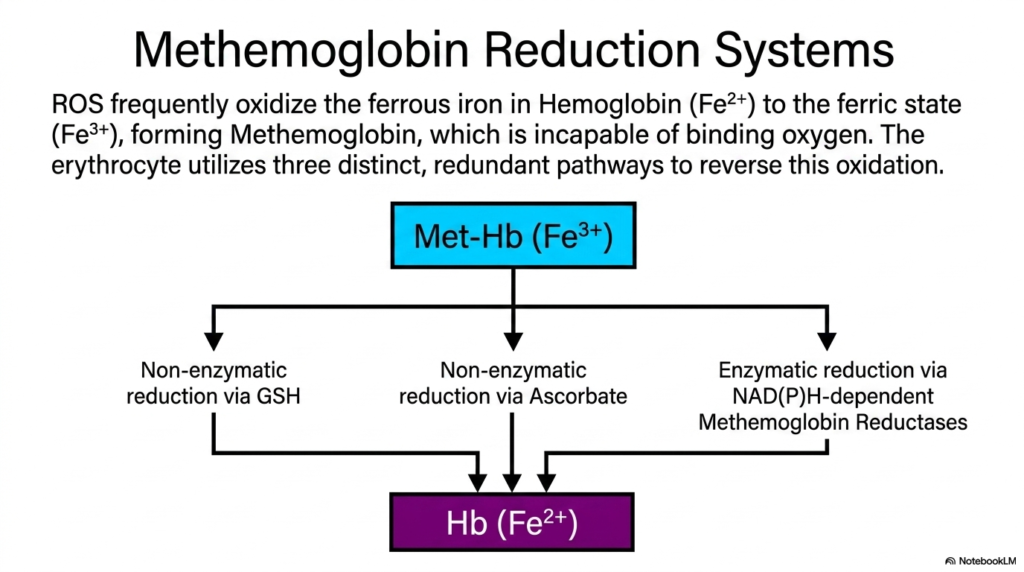
Beyond the fragile cell membrane, the absolute most critical internal structure to continuously protect is the hemoglobin protein itself. Reactive oxygen species frequently and accidentally oxidize the vital ferrous iron (Fe2+) situated inside hemoglobin to a useless ferric state (Fe3+). This accidental, rapid oxidation successfully forms Methemoglobin, an altered protein state that is completely incapable of binding and transporting oxygen. Preventing this functional failure is a major, ongoing priority for Erythrocyte Metabolism: Pathways and Oxidative Protection, as excessive Methemoglobin renders the entire blood cell medically useless.
Because maintaining functional hemoglobin is so critical, the streamlined erythrocyte employs three distinct, highly redundant pathways to rapidly reverse this dangerous oxidation. The slide details these three separate, vital rescue operations. The first two are rapid non-enzymatic reductions that rely on direct chemical interactions with Glutathione and Ascorbate to forcefully push the iron back into its functional state. This deep redundancy is a true hallmark of Erythrocyte Metabolism: Pathways and Oxidative Protection, actively ensuring that multiple backup systems exist for critical failures.
The third, and arguably most robust, pathway relies strictly on powerful enzymatic reduction directly driven by NAD(P)H-dependent Methemoglobin Reductases. These specialized, hard-working enzymes actively pump vital electrons back into the oxidized iron atom, completely successfully restoring standard Hemoglobin with its functional Fe2+ center. This amazing multi-layered approach to rescuing the primary transport protein clearly highlights the true depth of Erythrocyte Metabolism: Pathways and Oxidative Protection. The cell continuously commits immense chemical resources simply to repair the inevitable, ongoing damage caused by carrying oxygen.
The clear existence of these highly specific, redundant reduction systems powerfully underscores a crucial biological reality: accidental molecular damage is unavoidable, meaning that robust, continuous repair mechanisms are absolutely mandatory for survival. For medical students, thoroughly understanding Methemoglobin and its specific reduction pathways is highly clinically relevant, as dangerous failures in this system directly lead to severe clinical cyanosis and dangerous tissue hypoxia. This slide perfectly encapsulates exactly how metabolic pathways act not just as chemical shields, but as active, continuous repair crews.
Slide 13: Erythrocyte Metabolism: Pathways and Oxidative Protection – The Master Circuit: A Balanced Loop
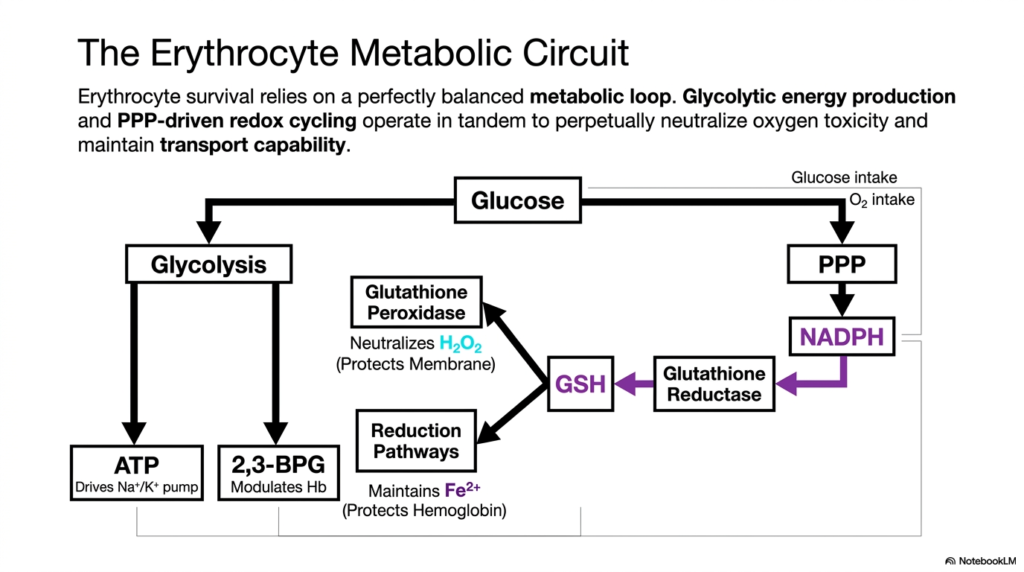
Erythrocyte survival is absolutely not the result of random chemical reactions; it actively relies on a perfectly balanced, continuously running metabolic loop. Glycolytic energy production and PPP-driven redox cycling operate in tandem to perpetually neutralize severe oxygen toxicity and maintain vital transport capability. This final master diagram brings together the complete entirety of Erythrocyte Metabolism: Pathways and Oxidative Protection, clearly showing exactly how simple fuel intake directly translates into complex structural preservation, physiological function, and chemical defense.
The master circuit begins at the very top with the standard intake of glucose, which immediately and intentionally diverges into the two primary metabolic pathways. Glycolysis actively travels down the left side, successfully driving the sodium-potassium pumps with ATP and beautifully modulating hemoglobin behavior with 2,3-BPG. Simultaneously, the Pentose Phosphate Pathway quickly travels down the right side, actively harvesting electrons to constantly generate NADPH. This holistic, clear map is the definitive visual representation of Erythrocyte Metabolism: Pathways and Oxidative Protection, cleanly demonstrating the elegant simplicity of red blood cell function.
The center of the active circuit clearly represents the precise execution of the robust defense systems. The vital NADPH generated by the PPP continuously fuels Glutathione Reductase, which successfully restores active GSH. This active Glutathione then powers both Glutathione Peroxidase, which physically protects the lipid membrane, and the specific Reduction Pathways that maintain the vital ferrous iron inside hemoglobin. The highly interconnected nature of Erythrocyte Metabolism: Pathways and Oxidative Protection readily demonstrates that a failure of any single enzyme or pathway will rapidly collapse the entire cellular system.
This comprehensive, concluding circuit diagram serves as the ultimate foundational study tool for fully comprehending the complexities of erythrocyte biochemistry. It beautifully and seamlessly connects vital energy generation, necessary physical maintenance, and crucial oxidative neutralization into one single, easily digestible cohesive framework. By mastering this highly unified metabolic circuit, dedicated students will undoubtedly gain a much deeper appreciation of how specialized cells expertly harness basic chemistry to survive in incredibly hostile bodily environments. The erythrocyte truly stands as a complete masterclass in biological efficiency.
Please read our Content Disclaimer Statement.
Check out our social media channels: