106. Acid-Base Balance: Mechanisms of Blood pH Regulation
Imagine a world where a tiny temperature drop freezes an entire city’s operations. In the human body, a microscopic shift in acidity can freeze vital molecular machinery. This blog post breaks down a series of 15 lecture slides that detail how physiological systems maintain chemical stability. By studying these slides, college and medical students will master the intricate feedback loops, molecular buffers, and organ systems that preserve life. Let us explore the elegant science behind human survival.
Slide 1: The Foundations of Physiological Acid-Base Balance
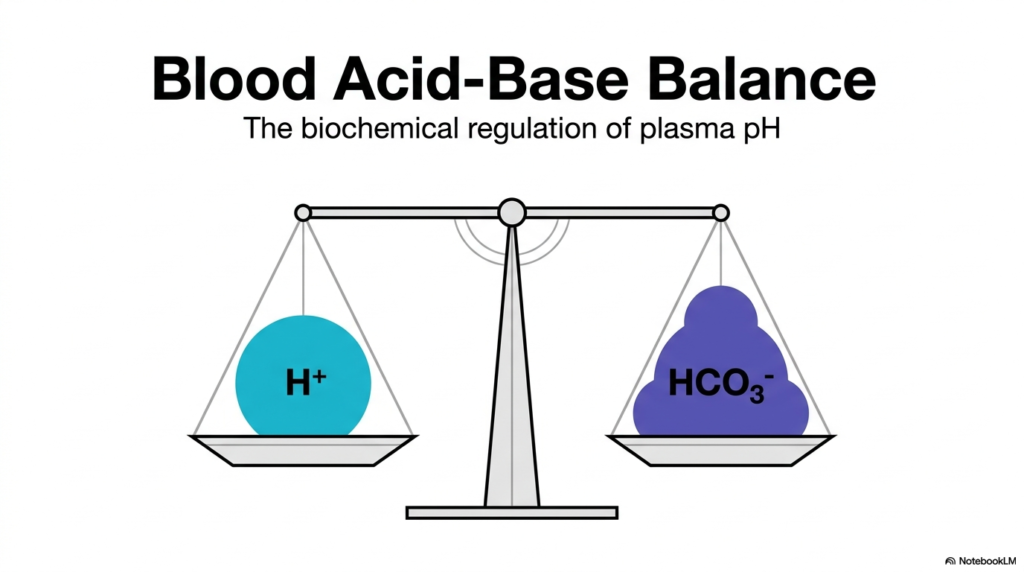
The human body operates as a highly regulated biochemical machine, constantly striving to maintain internal stability. At the heart of this physiological equilibrium lies the regulation of plasma pH, which represents a delicate weighing scale of chemical species. This dynamic system continuously manages the precise relationship between acidic and alkaline components circulating in the bloodstream. Specifically, homeostasis requires a precise harmony between free hydrogen ions and bicarbonate ions. The molecular choreography that keeps these players in check is known as the body’s acid-base balance.
When metabolic processes generate acidic waste, the blood relies on immediate neutralizing agents to prevent toxic accumulations. Bicarbonate acts as the primary alkaline counterweight, absorbing excess protons to prevent the blood from turning caustic. If the production of hydrogen ions outpaces the availability of bicarbonate, the scales tip toward harmful acidity. Conversely, an overabundance of bicarbonate relative to protons pulls the system into a basic state. Maintaining a healthy acid-base balance ensures that these opposing chemical forces remain perfectly balanced.
For students of biochemistry, visualizing this process as a classic balance scale helps clarify the continuous adjustments occurring in blood plasma. Every metabolic pathway, enzymatic reaction, and physiological filtration step contributes to this ongoing molecular adjustment. If the scale tips even slightly, cellular operations face immediate disruption. Therefore, understanding the foundational principles of acid-base balance is essential for comprehending how complex biological systems survive under constant pressures. The body does not simply achieve this equilibrium once; it actively polices the plasma every second.
Ultimately, this chemical equilibrium underpins all human physiology. When clinicians evaluate a patient, they assess these very markers to judge systemic health. The equilibrium between hydrogen ions and bicarbonate remains one of the most critical regulatory achievements in nature. The remaining slides will illuminate the specific organs and biochemical structures that participate in this magnificent physiological balancing act.
Slide 2: The Critical pH Baseline of Acid-Base Balance
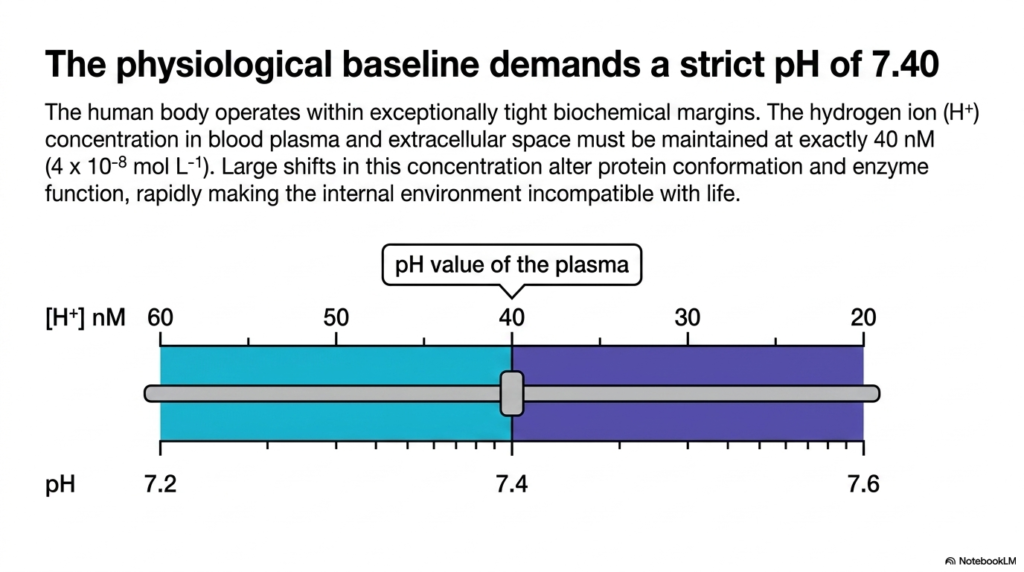
Human survival depends on maintaining an incredibly narrow chemical range within the extracellular fluid. The body targets an exact blood plasma pH of 7.40, a baseline that is absolutely non-negotiable for healthy cellular function. This specific number corresponds to a precise concentration of hydrogen ions that must be kept constant. Even minor deviations from this baseline can alter the electrical charges on amino acid residues. Consequently, maintaining strict acid-base balance is necessary to preserve the three-dimensional structural integrity of structural proteins and functional enzymes.
When the pH of blood plasma shifts, the tertiary and quaternary structures of proteins begin to destabilize. Enzymes rely on specific active site geometries to bind substrates and catalyze vital reactions. A shift in the surrounding hydrogen ion concentration can protonate or deprotonate key amino acids, rendering these biocatalysts useless. Because every cellular pathway relies on enzymatic efficiency, maintaining a steady acid-base balance is a matter of immediate cellular survival. Without this constant regulation, metabolic pathways would grind to a halt, causing systemic cellular failure.
If the human body deviates too far from this strict physiological baseline of 7.40, the internal environment becomes chemically toxic to life. A plasma pH below 7.35 or above 7.45 represents a critical failure of the regulatory systems. This narrow margin of safety illustrates why the continuous maintenance of acid-base balance is so vital. When the environment becomes hostile, the delicate balance of life is shattered. Biochemistry students must appreciate that this strict physiological baseline is the foundation upon which all other biological mechanisms are built.
Thus, the target of 7.40 is not a random evolutionary suggestion but a strict chemical necessity. The body coordinates multiple systems to defend this single number against a constant influx of metabolic acids. Every organ, tissue, and cell relies on the success of this central defense system. As the study of physiology progresses, the extreme sensitivity of this baseline becomes a recurring theme in clinical medicine.
Slide 3: Pathological Disruptions to Acid-Base Balance
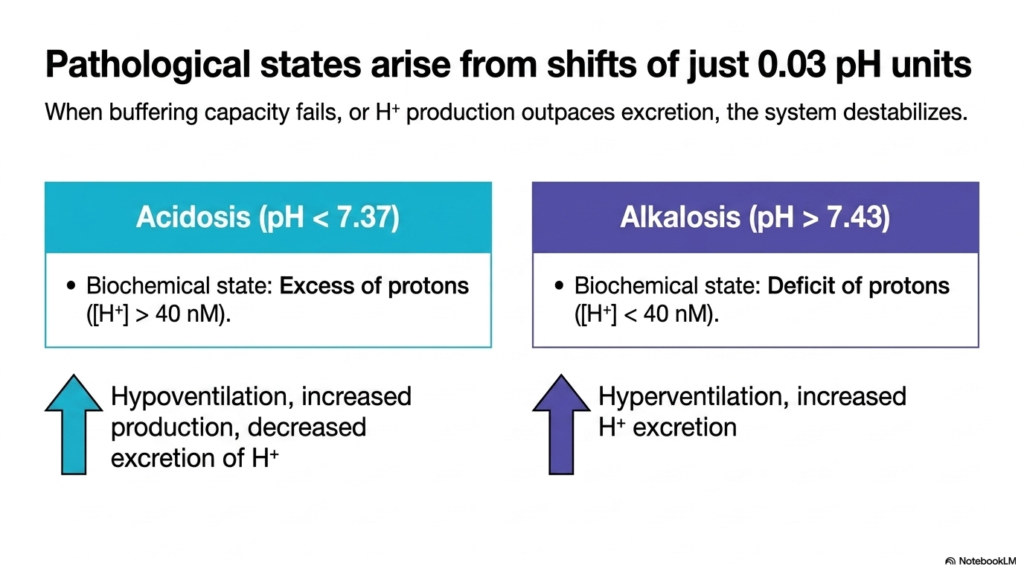
The delicate equilibrium of the human body can be severely disrupted by a minuscule shift of only 0.03 pH units. Such a tiny alteration in hydrogen ion concentration is enough to trigger dangerous clinical conditions. When the internal environment becomes overwhelmed by an abundance of free protons, a pathological state known as acidosis occurs. Conversely, a proton deficit leads to alkalosis. Both states represent a fundamental breakdown of the body’s natural buffer systems, showing how easily the physiological framework can destabilize when acid-base balance is compromised.
Acidosis often arises when the body fails to eliminate metabolic wastes efficiently. For instance, slow or shallow breathing can cause carbon dioxide to accumulate in the blood, leading to respiratory acidosis. Similarly, poor renal clearance of metabolic acids can cause a build-up of protons in the tissues. In both cases, the failure to remove acidic compounds overloads the blood’s buffering systems. This breakdown of acid-base balance highlights the direct connection between organ function and chemical stability. Without active intervention, the progressive accumulation of protons can lead to cellular death.
On the other hand, alkalosis represents the opposite extreme of the physiological spectrum. This condition is frequently triggered by rapid over-breathing, which flushes out too much carbon dioxide, or by excessive mineral loss through vomiting. These events lead to a sharp decline in hydrogen ion concentration, pushing the pH upward. The resulting disruption of acid-base balance affects neuromuscular excitability, leading to muscle spasms and cardiac arrhythmias. It becomes clear that both too many and too few protons are equally destructive to the human body.
Ultimately, these pathological fluctuations demonstrate that physiological health is a continuous balancing act. The body must constantly navigate between the threats of acidosis and alkalosis to remain in a healthy state. Understanding these clinical disruptions allows medical students to connect molecular chemistry with real-world patient care. The mechanisms discussed in subsequent slides will reveal how the body prevents these dangerous pH shifts.
Slide 4: Metabolic Sources of Protons Influencing Acid-Base Balance
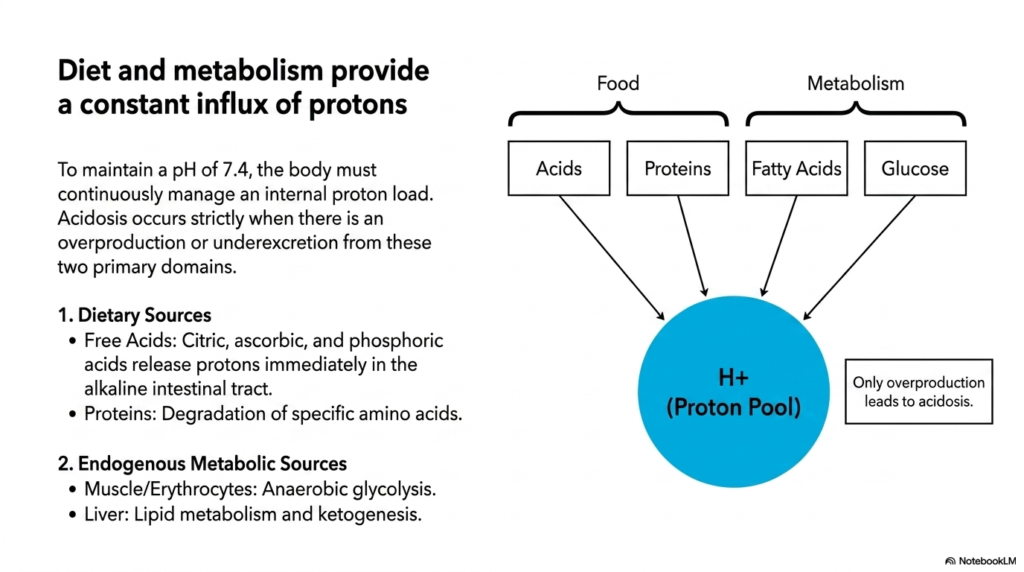
The human body must manage a continuous stream of hydrogen ions to protect its internal chemistry. These reactive particles originate from two primary channels: dietary intake and internal metabolic pathways. Every day, the food we consume introduces a variety of proteins and organic acids that release protons upon digestion. Simultaneously, endogenous metabolic processes generate a steady supply of acidic byproducts as they break down fuel sources like glucose and fatty acids. Managing this continuous influx of protons is a central challenge for maintaining acid-base balance.
Under normal conditions, the body easily processes and eliminates this metabolic acid load. The constant generation of protons from cellular respiration and nutrient breakdown enters a shared biological pool. The body relies on chemical buffers, respiratory compensation, and renal excretion to keep this pool at a stable level. However, if proton production suddenly exceeds the body’s clearance capacity, metabolic acidosis will rapidly develop. This metabolic overload shows that a healthy acid-base balance requires a perfect equilibrium between proton generation and proton removal.
Dietary choices directly affect the body’s daily acid load. For example, diets high in animal protein produce significant amounts of inorganic acids during metabolism. Meanwhile, cellular processes such as glycolysis and the beta-oxidation of fatty acids produce carbon dioxide and organic acids. These compounds must be continuously neutralized to prevent dangerous shifts in tissue pH. Consequently, the regulation of this proton pool is a major metabolic priority that shapes human biochemistry and influences acid-base balance at every level.
Understanding where these protons come from helps students appreciate the scale of the challenge the body faces. The physiological systems must handle a relentless tide of acidic products just to maintain a blood pH of 7.40. In the following sections, the specific metabolic pathways that produce the most significant acid loads will be explored in greater detail. This knowledge is crucial for diagnosing metabolic disorders.
Slide 5: Protein Metabolism and the Acid-Base Balance Challenge
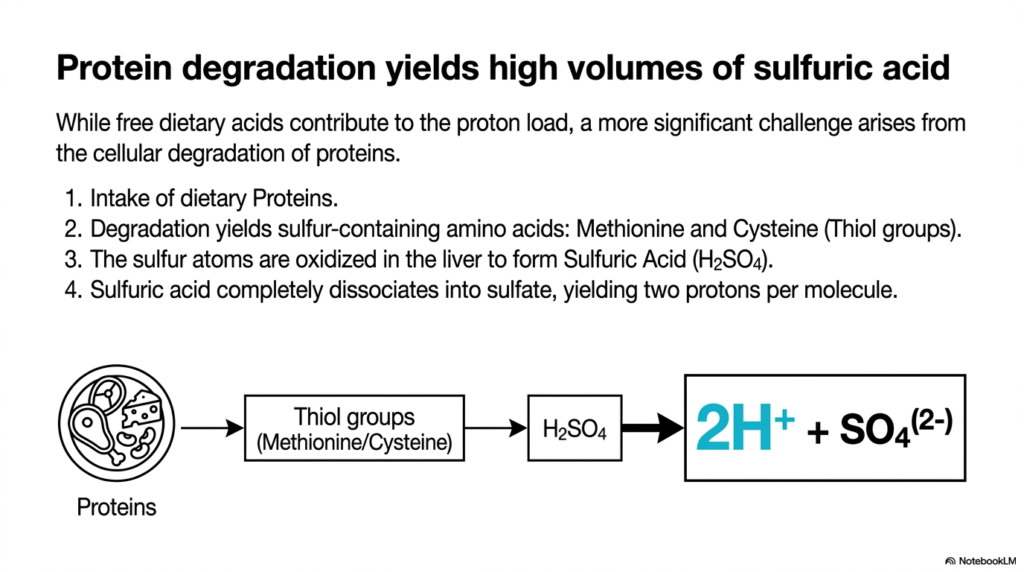
When we consume dietary protein, our bodies undergo metabolic transformations that significantly increase our internal acid load. This pathway begins in the liver, where sulfur-rich amino acids, specifically methionine and cysteine, are broken down. The oxidation of these amino acids produces a potent substance known as sulfuric acid. Because sulfuric acid is a strong mineral acid, it dissociates completely within the body’s aqueous environment. This complete dissociation releases a large number of free protons, posing a major chemical challenge to the body’s acid-base balance.
This metabolic pathway illustrates how the cellular degradation of nutrients directly dictates the pH of our internal environment. The production of sulfuric acid from sulfur-rich amino acids creates an acidic burden that far exceeds the impact of eating acidic foods alone. Citrus fruits, for example, contain organic acids that the body can easily metabolize into neutral products. In contrast, the inorganic acids produced by protein catabolism cannot be metabolized away and must be neutralized by chemical buffers to maintain acid-base balance.
To cope with this constant chemical threat, the body’s buffering systems must work continuously. The free protons released from sulfuric acid must be captured immediately to prevent localized tissue damage. This biochemical reality highlights why protein-rich diets increase the workload of our physiological defense systems. The continuous production of strong mineral acids from normal dietary protein is a primary reason the body requires robust mechanisms to maintain acid-base balance every day.
Medical students must understand this pathway to grasp why dietary composition can influence systemic chemistry. The liver’s processing of sulfur-containing amino acids is a classic example of how seemingly harmless nutrients can pose significant chemical challenges. The body’s ability to handle this non-volatile acid load relies entirely on the buffer systems and renal clearance mechanisms that will be discussed next.
Slide 6: Cellular Metabolism and Systemic Acid-Base Balance
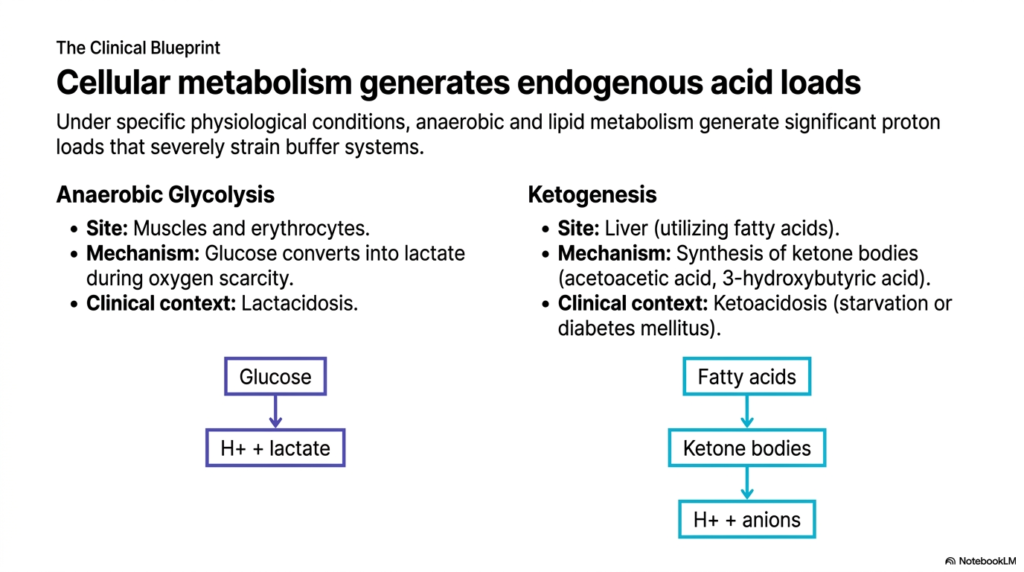
Internal chemical processes can generate massive amounts of metabolic acids, potentially overwhelming the natural systems that maintain biological stability. Under specific physiological pressures, cellular metabolism shifts to pathways that release substantial quantities of free protons. Two primary metabolic pathways drive this phenomenon: anaerobic glycolysis and ketogenesis. Both pathways can release enough hydrogen ions to cause severe clinical complications, showing how closely cellular energy production is linked to the maintenance of acid-base balance in the blood.
During intense muscle contraction or oxygen deprivation, cells turn to anaerobic glycolysis for energy. This pathway converts glucose into lactate, a process that releases a high volume of protons into the bloodstream. If oxygen remains scarce, this can lead to a condition called lactic acidosis. Here, the accumulation of lactic acid temporarily overwhelms the body’s capacity to maintain acid-base balance, leading to muscle fatigue and systemic distress. This pathway illustrates how physical exertion or tissue hypoxia can rapidly alter the body’s chemical landscape.
Similarly, ketogenesis occurs when the liver synthesizes acidic ketone bodies from fatty acids. This metabolic shift is triggered during starvation or uncontrolled diabetes, when the body cannot use glucose for fuel. The accumulation of these acidic compounds, such as acetoacetate and beta-hydroxybutyrate, leads to ketoacidosis. This severe clinical state represents a profound breakdown of acid-base balance that can be fatal if left untreated. It demonstrates that metabolic disruptions can have catastrophic systemic consequences for human physiology.
These examples highlight the constant battle between metabolic activity and chemical stability. The body must constantly manage the acidic products of its own energy pathways to prevent toxic shifts in pH. For clinicians, recognizing the biochemical origins of lactic acidosis and ketoacidosis is essential for delivering effective emergency care and restoring physiological equilibrium.
Slide 7: Immediate Chemical Defenses of Acid-Base Balance
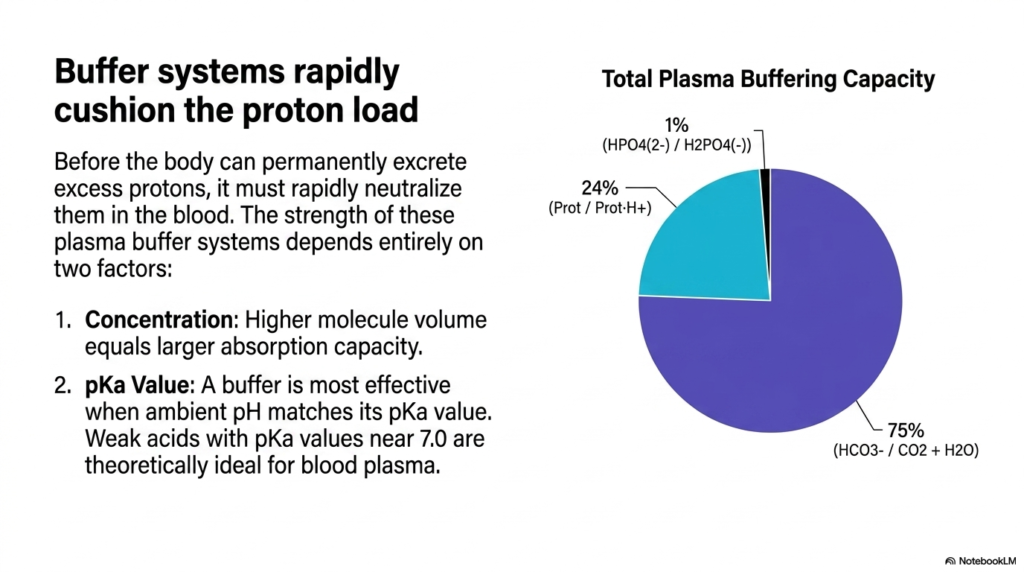
To cope with the constant influx of metabolic acids, the human body uses specialized chemical systems that provide immediate defense. These chemical stabilizers act as molecular sponges, absorbing excess hydrogen ions in the bloodstream before they can cause harm. The effectiveness of these internal buffers is determined by two main factors: their molecular concentration and how closely their optimal reactive range (pKa) aligns with physiological pH. These chemical reactions provide the first line of defense for maintaining acid-base balance.
While various components, such as proteins and inorganic phosphates, contribute to chemical stability, the bicarbonate system is the primary protector. This crucial system accounts for approximately three-quarters of the blood’s total buffering capacity. It reacts instantly to neutralize free protons, converting them into weak carbonic acid. By coordinating these rapid chemical reactions, the body ensures a stable internal environment despite the constant introduction of metabolic acids. This immediate chemical defense is essential for preserving acid-base balance during daily activities.
A chemical buffer works by resisting changes in pH when small amounts of acid or base are added. In the blood, this means buffers must be ready to capture protons the millisecond they are released by metabolic processes. Without these chemical systems, even minor metabolic activities would cause wild fluctuations in blood pH, leading to rapid cellular damage. Therefore, the presence of highly efficient buffers is the cornerstone of human physiological stability and acid-base balance.
In summary, chemical buffers buy the body valuable time. They do not physically remove acids from the body; instead, they temporarily neutralize them until the lungs and kidneys can excrete them. Understanding how these buffers function on a chemical level is key to mastering acid-base physiology. The next slides will focus on the most important buffer system in the human body.
Slide 8: The Carbon Dioxide-Bicarbonate Buffer in Acid-Base Balance
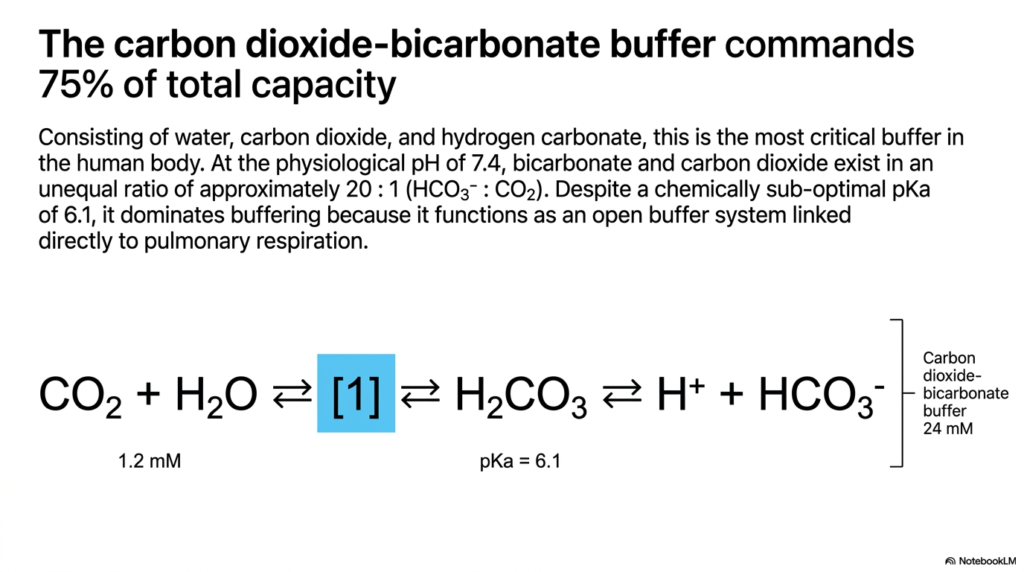
The carbon dioxide-bicarbonate buffer system serves as the primary mechanism for stabilizing blood pH. This system accounts for the vast majority of the body’s total buffering capacity, making it a central topic in medical physiology. In a closed laboratory container, this system would be relatively inefficient because its pKa of 6.1 is far from the physiological pH of 7.4. However, in the human body, its power stems from its role as an open system dynamically linked to respiratory function, which is critical for acid-base balance.
The open nature of this system allows the body to maintain a precise 20:1 ratio of bicarbonate to carbon dioxide. This specific ratio is necessary to keep the blood pH at its ideal baseline of 7.40. By regulating this chemical relationship through breathing, the body can swiftly adjust its internal chemistry to resist acid loads. The lungs can quickly alter the concentration of dissolved carbon dioxide, while the kidneys regulate bicarbonate. This coordinated regulation makes the bicarbonate system incredibly powerful for sustaining acid-base balance.
When excess protons enter the blood, they combine with bicarbonate to form carbonic acid, which then dissociates into water and carbon dioxide. The lungs then exhale the carbon dioxide, effectively removing the acid precursor from the body. This elegant pathway shows how respiratory mechanics and molecular chemistry work together to prevent dangerous shifts in acidity. Without this open connection to the lungs, the body’s primary defense for acid-base balance would quickly become overwhelmed by metabolic waste.
Ultimately, the carbon dioxide-bicarbonate buffer is a beautiful example of physiological integration. It bridges the gap between molecular chemistry and organ system function. Medical students must master the dynamics of this system, as it is the most frequently tested and clinically relevant buffer in human medicine. The next slide will examine the enzyme that accelerates this vital chemistry.
Slide 9: Carbonic Anhydrase: The Engine of Acid-Base Balance
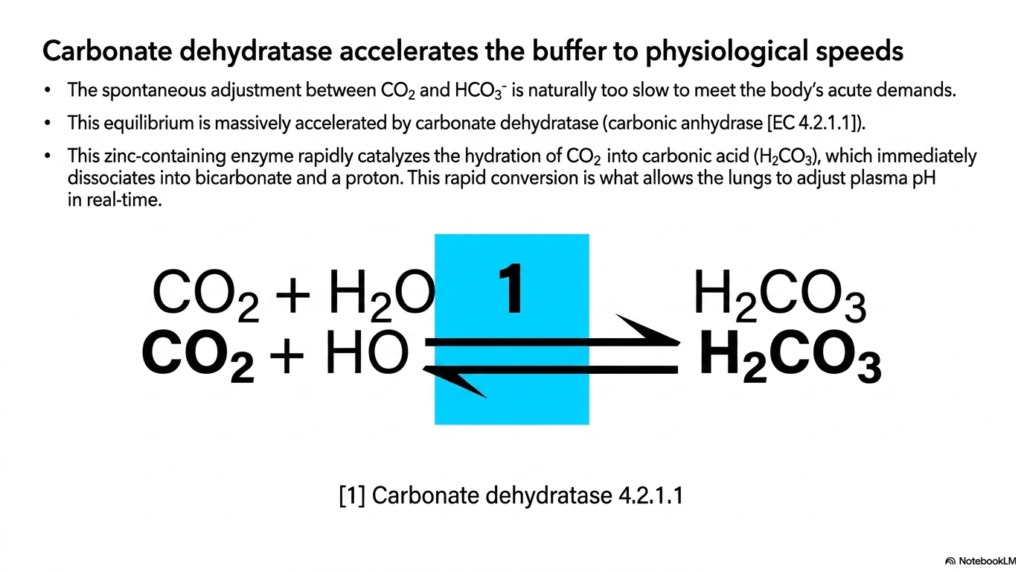
The human body relies on a specialized enzyme to bridge the gap between slow natural chemistry and the urgent needs of metabolic survival. The spontaneous hydration of carbon dioxide to form carbonic acid is far too sluggish to support human life on its own. To overcome this kinetic barrier, the body utilizes carbonic anhydrase, also known as carbonate dehydratase. This zinc-based catalyst dramatically increases the reaction speed, converting waste gases into stable ions nearly instantaneously. This molecular shortcut is essential for maintaining acid-base balance during cellular respiration.
By facilitating this rapid chemical equilibrium, carbonic anhydrase enables physiological systems to regulate pH in real time. In tissues, where metabolic activity produces abundant carbon dioxide, the enzyme rapidly converts the gas into bicarbonate and protons. In the lungs, the reaction runs in reverse, rapidly converting bicarbonate back into carbon dioxide so it can be exhaled. This bidirectional catalytic efficiency is vital for the continuous preservation of acid-base balance across different vascular beds.
Without this enzyme, the respiratory system would be unable to respond quickly to metabolic changes. For example, during intense exercise, the sudden spike in carbon dioxide production would lead to local tissue acidosis before the gas could be converted and transported. Carbonic anhydrase ensures that chemical conversions keep pace with blood flow, protecting the body from localized drops in pH. Consequently, this enzyme is a key molecular player in the overall strategy of acid-base balance.
For students, understanding the role of carbonic anhydrase reveals how enzymes support systemic homeostasis. This zinc-dependent catalyst is present in red blood cells, renal tubules, and many other tissues. Its high catalytic rate makes it one of the most efficient enzymes known, a necessary feature for a protein tasked with guarding the body’s chemical equilibrium.
Slide 10: Protein Buffers and Their Role in Acid-Base Balance
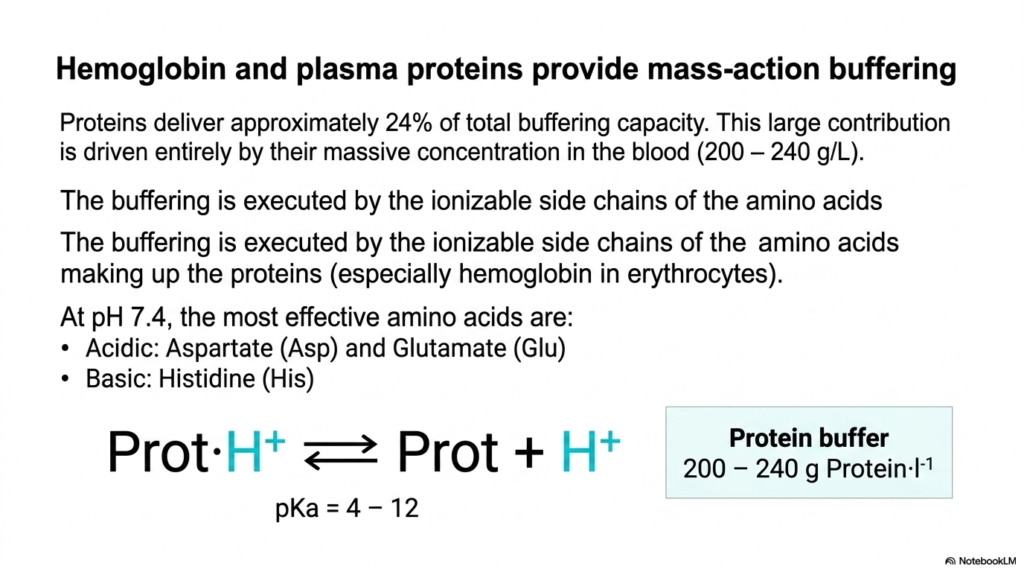
Proteins circulating within the bloodstream play a major role in maintaining physiological stability. These macromolecules, particularly hemoglobin in red blood cells and albumin in the plasma, provide nearly a quarter of the body’s total buffering capacity. This significant regulatory contribution is primarily due to the high concentration of proteins in the vascular compartment. At the molecular level, this buffering action is enabled by the ionizable side chains of specific amino acids, which allow proteins to neutralize shifts in acidity and maintain acid-base balance.
The primary amino acid responsible for this buffering capability is histidine. The imidazole ring on histidine’s side chain has a pKa very close to the physiological pH of 7.40. This chemical property allows histidine residues to either accept or donate protons depending on the surrounding chemical environment. By leveraging these unique side chains, proteins act as a massive mass-action buffer, absorbing excess hydrogen ions when pH drops. This molecular mechanism is a vital component of the body’s overall strategy for defending acid-base balance.
Hemoglobin is especially effective as a buffer due to its high abundance and unique structure. As red blood cells travel through tissues, hemoglobin binds protons released from the dissociation of carbonic acid, preventing venous blood from becoming too acidic. Once in the lungs, oxygen promotes the release of these protons, facilitating their conversion back into carbon dioxide for exhalation. This dual role of transport and buffering highlights the elegant integration of hemoglobin in maintaining systemic acid-base balance.
In conclusion, plasma and intracellular proteins provide a robust chemical shield against pH fluctuations. While the bicarbonate system remains the primary defense, proteins offer a substantial secondary buffer that should not be overlooked. Studying these protein-proton interactions helps students appreciate the complex, multilayered defenses the body employs to maintain its internal environment.
Slide 11: The Phosphate Buffer System and Acid-Base Balance
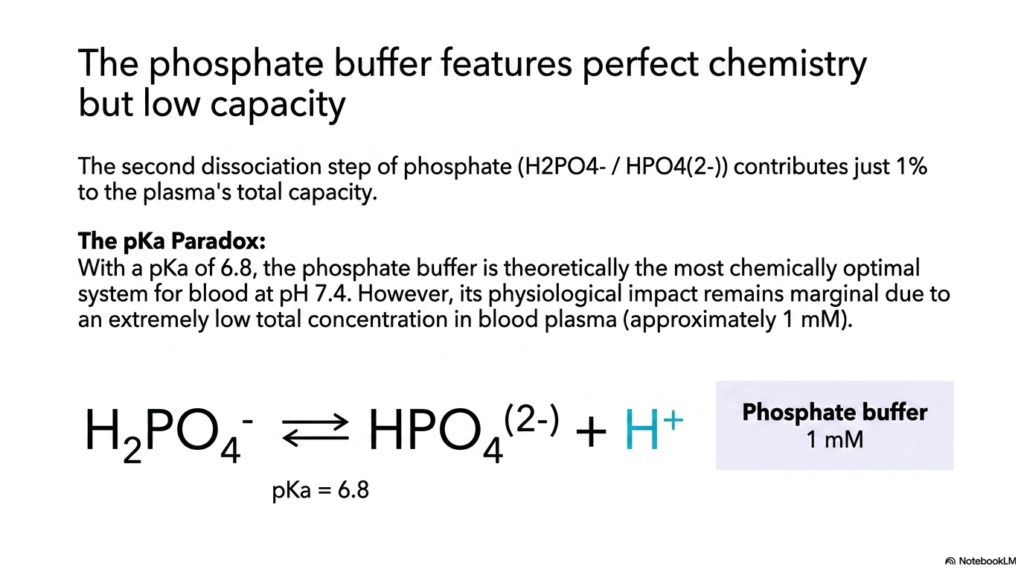
The phosphate buffer system presents an intriguing scientific phenomenon often referred to as the pKa paradox. Based on its chemical properties, this system is perfectly suited to stabilize physiological fluids. Its pKa of 6.8 sits very close to the ideal physiological blood pH of 7.40, making it theoretically the most efficient chemical buffer in the human body. Yet, despite this optimal chemical alignment, the phosphate system plays only a minor role in buffering blood plasma, presenting a unique teaching point in the study of acid-base balance.
The reason for this apparent paradox lies in the concept of physiological concentration. While the phosphate system has the ideal chemistry for the task, it lacks sufficient volume in blood plasma to serve as a primary defense. Because the concentration of inorganic phosphate in extracellular fluids is extremely low, its total contribution to plasma buffering is limited to a tiny fraction of the body’s capacity. This limitation shows that both chemical precision and physical abundance are required to maintain acid-base balance on a systemic scale.
However, the phosphate system is highly effective in other biological compartments. Inside cells, where phosphate concentrations are much higher, it acts as a major regulator of intracellular pH. Additionally, it serves as a critical buffer in the renal tubules, preventing urine from becoming too acidic during proton excretion. In these localized environments, the system’s optimal pKa is fully utilized, making it an essential component of the body’s overall acid-base balance strategy despite its minor role in the blood.
This system teaches biochemistry students an important lesson about the differences between test-tube chemistry and living physiology. A buffer can have the perfect pKa, but without sufficient concentration, its systemic impact will remain minimal. The compartmentalized success of the phosphate buffer highlights how the body uses different chemical tools in different compartments to maintain overall stability.
Slide 12: Comparing Buffer Systems in Acid-Base Balance
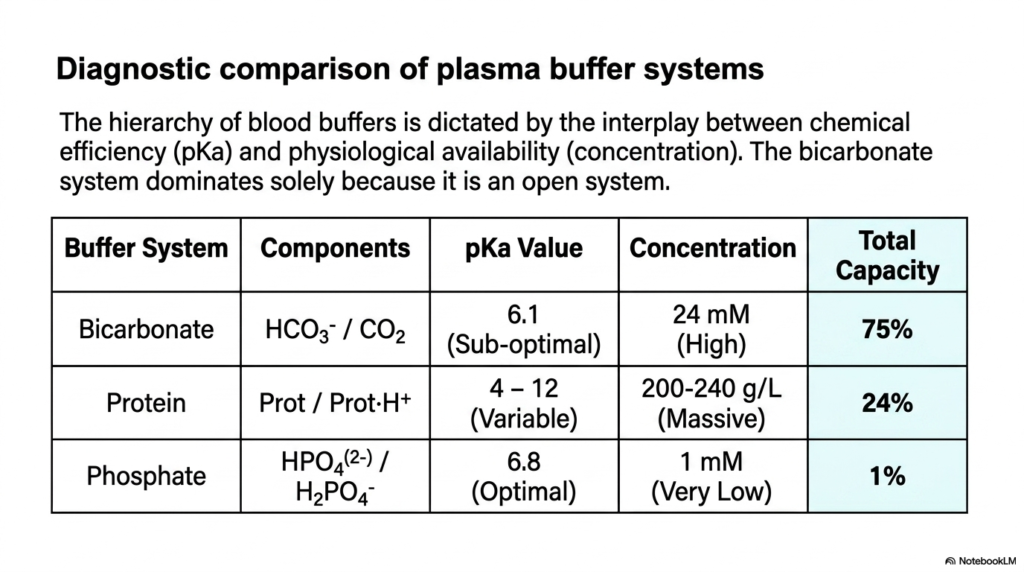
To understand how the body maintains its chemical stability, one must compare the different chemical buffer systems side by side. The effectiveness of these physiological stabilizers is determined by a complex hierarchy that balances molecular efficiency with physical concentration. Some systems excel due to their chemical alignment, while others dominate due to their sheer abundance in extracellular fluids. Analyzing this balance reveals the elegant logic behind the body’s primary defenses, showing how different systems coordinate to preserve a stable acid-base balance in the blood.
The comparison between the phosphate and bicarbonate systems perfectly illustrates this physiological trade-off. As discussed previously, the phosphate buffer has the most ideal chemical alignment with blood pH, but its low concentration limits its systemic impact. In contrast, the bicarbonate system serves as the primary blood stabilizer, accounting for three-quarters of the total buffering capacity. Even though its chemical pKa of 6.1 is less than optimal, its abundant availability and direct connection to the lungs make it the undisputed leader in maintaining acid-base balance.
This hierarchy demonstrates that the body prioritizes dynamic open systems over static closed chemical reactions. Because the lungs can continuously adjust carbon dioxide levels, the bicarbonate system can handle much larger acid loads than any closed chemical buffer of similar concentration. Meanwhile, proteins provide a massive, constant background buffer that supports these dynamic adjustments. Together, these systems form a multi-layered defense network that ensures the continuous maintenance of acid-base balance under varying metabolic conditions.
For medical students, comparing these systems is crucial for understanding how the body responds to clinical challenges. A patient’s acid-base status is never determined by a single buffer alone; rather, it is the net result of all these systems working in tandem. Mastering this comparative hierarchy is essential for diagnosing complex clinical disorders and predicting how a patient will compensate for metabolic stress.
Slide 13: Respiratory Compensation and Acid-Base Balance
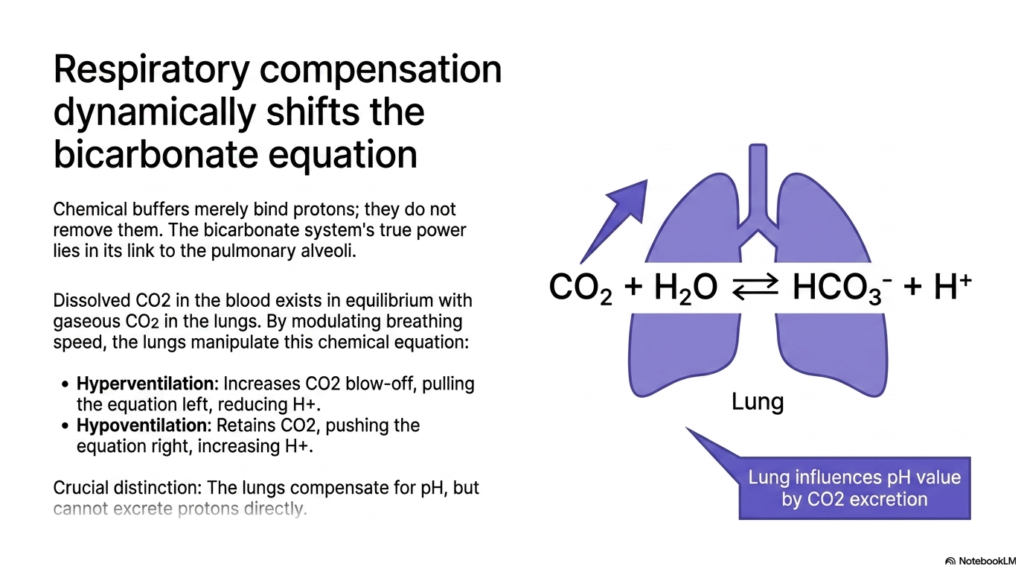
The human body maintains its chemical stability by using the lungs to dynamically shift the bicarbonate equilibrium through breathing. Unlike stationary chemical buffers that only trap protons, the respiratory system exerts active physiological control over blood acidity. By modulating the excretion of carbon dioxide gas, the lungs can indirectly manipulate hydrogen ion concentrations in the bloodstream. This rapid respiratory compensation is a powerful, highly responsive mechanism for defending the body’s acid-base balance during metabolic challenges.
This physiological mechanism highlights a critical biological distinction: the lungs cannot directly expel free protons. Instead, they serve as a regulatory engine by managing the gaseous precursors of acidity. When metabolic activity increases the concentration of acids in the blood, the respiratory center in the brain signals the lungs to accelerate breathing. This hyperventilation flushes out excess carbon dioxide, pulling the bicarbonate equation to the left and lowering proton levels to restore a healthy acid-base balance.
Conversely, if the blood becomes too alkaline, the respiratory system can slow down breathing to retain carbon dioxide. This hypoventilation shifts the chemical equilibrium to the right, generating more carbonic acid and increasing the concentration of free hydrogen ions. This rapid adjustment can occur within minutes, making the respiratory system the fastest organ-based mechanism for compensating for changes in pH. This quick response is vital for preventing acute deviations and maintaining acid-base balance in real-time.
Biochemistry and medical students must appreciate the speed and efficiency of this respiratory feedback loop. While chemical buffers react in fractions of a second, their capacity is limited. The lungs provide a continuous, high-volume pathway for adjusting the body’s acid levels, bridging the gap between immediate chemical reactions and the slower, definitive clearance mechanisms of the kidneys. By continuously adjusting the breathing rate, the body ensures that respiratory compensation remains a highly reliable means of maintaining acid-base balance under any physiological stress.
Slide 14: Renal Excretion and the Maintenance of Acid-Base Balance
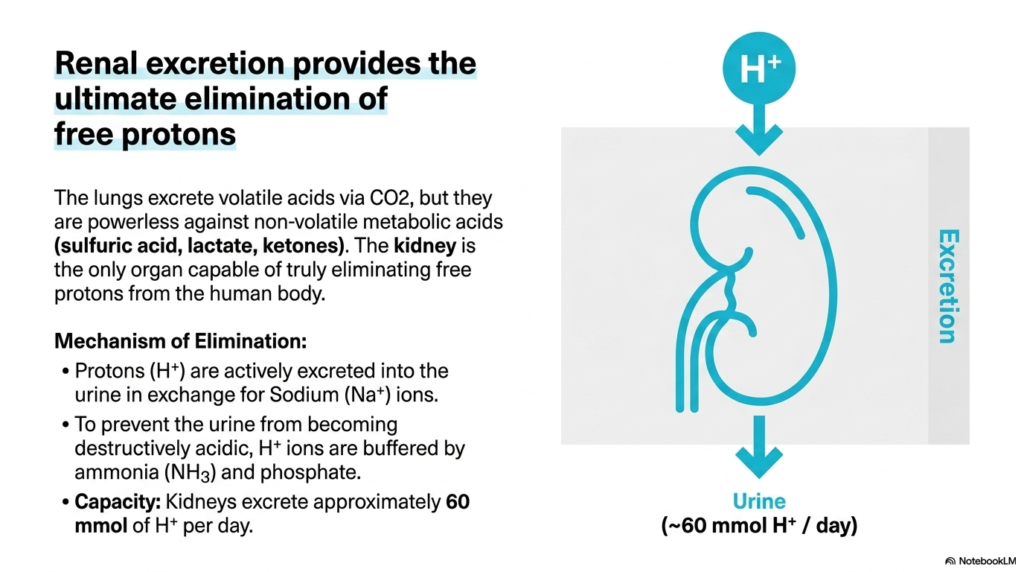
While the lungs manage gaseous waste, the kidneys serve as the definitive exit point for liquid metabolic acids that cannot be exhaled. These non-volatile acids, such as sulfuric and phosphoric acid, must be physically excreted from the body to prevent chronic accumulation. This essential renal process involves the active transport of hydrogen ions from the blood into the urine in exchange for sodium ions. This selective excretion represents the only pathway for the permanent removal of metabolic protons, making the kidneys crucial for long-term acid-base balance.
On a daily basis, the kidneys excrete approximately 60 millimoles of free protons. To protect the delicate cells of the urinary tract from extreme acidity during this transition, the body utilizes ammonia and phosphate as vital urinary buffers. Without these buffers, the urine would become so acidic that it would damage the renal tubules and bladder. By neutralizing the secreted hydrogen ions, these urinary buffers allow the kidneys to continue excreting large quantities of acid, thereby preserving systemic acid-base balance.
Although renal compensation is highly effective, it operates on a much slower timescale than respiratory compensation. While the lungs can adjust blood pH within minutes, the kidneys require several hours to days to fully activate their acid-excreting and bicarbonate-reabsorbing pathways. Despite this delay, the renal system remains the ultimate guarantor of chemical stability because it is the only organ that can actually eliminate protons from the body and regenerate bicarbonate, ensuring the permanent restoration of acid-base balance.
Understanding renal acid-base physiology is essential for medical students, particularly when analyzing chronic conditions such as renal tubular acidosis. The kidneys’ ability to manage both proton excretion and bicarbonate reclamation is a masterclass in transport biology. This system ensures that our internal environment remains clean, balanced, and capable of supporting life over the long term.
Slide 15: The Integrated Coordination of Acid-Base Balance
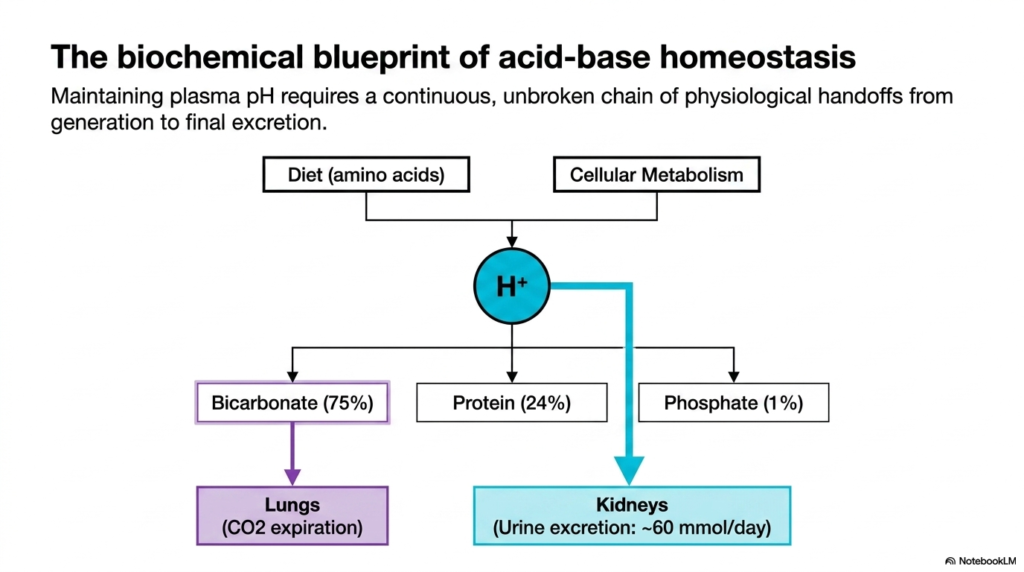
Maintaining biological stability requires a seamless transition from proton production to their complete elimination. Every day, the human body manages a constant influx of hydrogen ions generated through dietary intake and cellular metabolic activity. To prevent these highly reactive particles from disrupting cellular functions, the body coordinates a multi-layered relay of chemical and physiological defenses. This integrated network of chemical buffers, respiratory adjustments, and renal excretion works in perfect harmony to ensure that the blood’s chemical environment remains stable and supportive of life, achieving a perfect acid-base balance.
This physiological relay begins the moment metabolic acids enter the bloodstream. First, chemical buffer systems, led by the highly abundant bicarbonate buffer, provide an instantaneous defense by neutralizing free protons. Next, the respiratory system responds within minutes, adjusting the breathing rate to expel or retain carbon dioxide. Finally, over hours and days, the kidneys perform the definitive cleanup by excreting non-volatile acids in the urine and reclaiming bicarbonate. This beautifully coordinated sequence of events is the ultimate safeguard of systemic acid-base balance.
If any component of this integrated system fails, the entire physiological framework can rapidly destabilize. A failure of the lungs leads to rapid accumulation of carbon dioxide, while renal failure results in the toxic buildup of non-volatile metabolic acids. These clinical realities show that healthy physiology relies on the continuous, coordinated efforts of multiple organ systems working together. Biochemistry students must view this system not as isolated chemical reactions, but as a unified physiological team dedicated to protecting acid-base balance at all costs.
In conclusion, the journey of a metabolic proton from its generation in a cell to its excretion in urine or breath is a testament to the elegance of human physiology. By mastering these interconnected systems, future clinicians can better diagnose, treat, and understand the complex chemical imbalances they will encounter in clinical practice. The body’s ability to maintain this equilibrium is truly a marvel of biological engineering.
Please read our Content Disclaimer Statement.
Check out our social media channels: