96. The Biochemistry of Digestive Enzymes
Have you ever wondered how a massive meal becomes the microscopic fuel that powers your cells? The human gastrointestinal tract is an incredible chemical reactor, transforming complex foods into absorbable biological building blocks. The core purpose of this slide deck is to explore the precise biochemical mechanisms, shifting physiological environments, and catalytic proteins that make human digestion possible. Let us uncover the remarkable molecular journey of the food we eat.
Slide 1: The Foundations of Digestive Enzymes
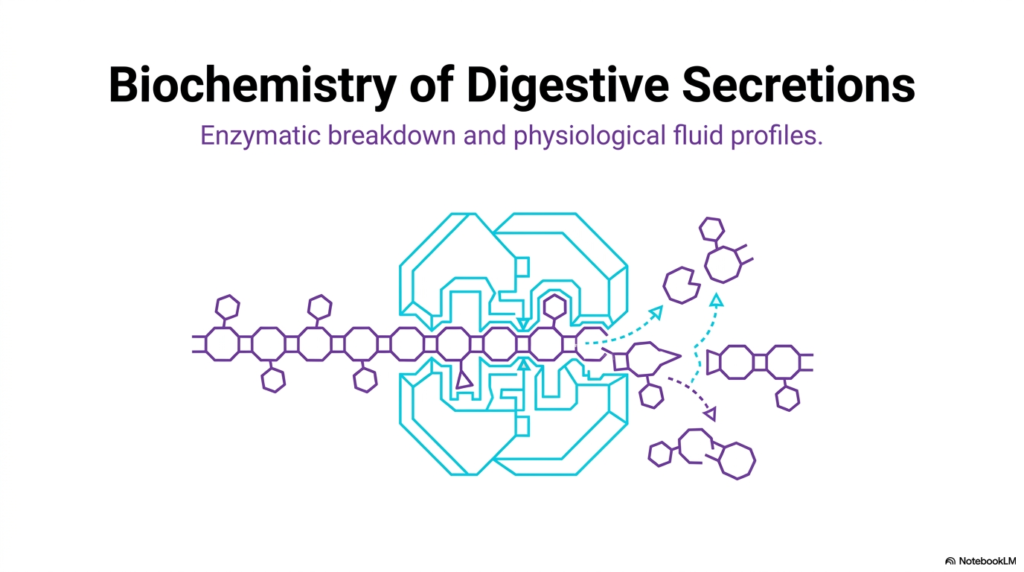
Digestion is fundamentally a biochemical story of systematic deconstruction. To sustain human life, the body requires microscopic nutrients, but the food consumed daily arrives in massive, structurally complex polymeric forms. To utilize these essential macromolecules, the gastrointestinal system deploys a sophisticated array of Digestive Enzymes to drive enzymatic breakdown. This initial slide introduces the overarching concept of macromolecular cleavage, illustrating how large, interconnected molecular chains are targeted. These complex structures are far too large to pass through the intestinal barrier.
The illustration highlights the spatial and mechanical reality of enzymatic hydrolysis. When biological polymers encounter active Digestive Enzymes, these specialized proteins physically interact with the substrate. They wrap around specific structural motifs to facilitate the breaking of resilient chemical bonds. Through the precise addition of water molecules, the catalytic active sites split the massive polymer into smaller oligomers or free monomers. This controlled deconstruction ensures that resulting molecular fragments are correctly sized for eventual cellular uptake.
Furthermore, the physiological fluid profiles of the gastrointestinal tract play an indispensable role in supporting the function of Digestive Enzymes. These biological catalysts do not operate in a vacuum. They require specific, highly regulated aqueous environments to maintain their three-dimensional structural integrity. As ingested nutrients travel through the digestive tract, they encounter different chemical zones, each tailored to support specific stages of metabolic breakdown. This coordination guarantees that dietary fuel is efficiently harvested.
Slide 2: The Physiochemical Zones Regulating Digestive Enzymes
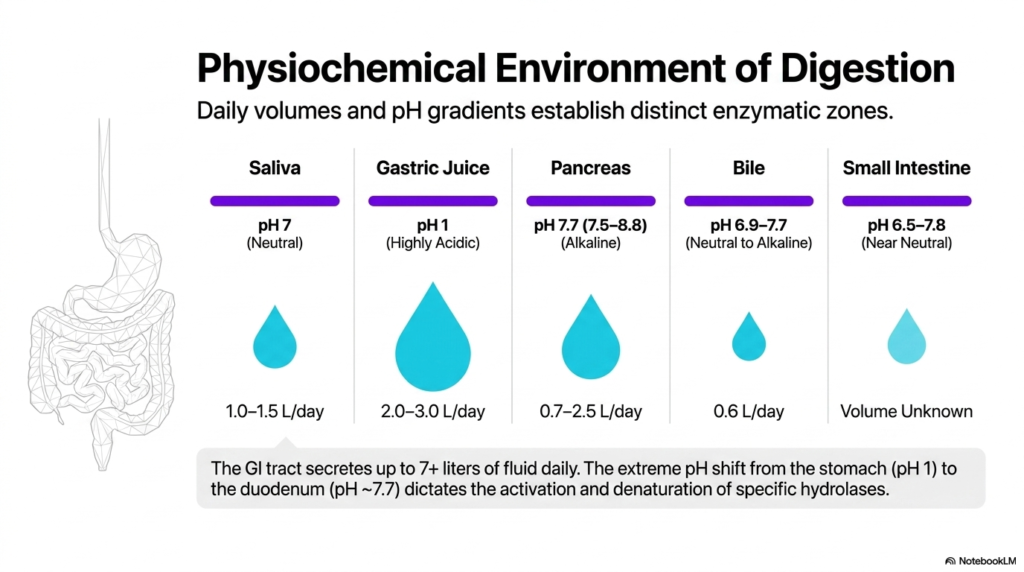
The gastrointestinal tract is not a uniform tube but rather a series of specialized chemical compartments designed to optimize the activity of various Digestive Enzymes. This slide outlines the crucial physio-chemical environments of digestion, emphasizing the daily fluid volumes and dramatic pH gradients that establish distinct enzymatic zones. The human body secretes upwards of seven liters of specialized fluids daily, creating dynamic landscapes for chemical digestion. Understanding these shifting parameters is critical for medical students studying gastrointestinal physiology.
A prominent feature of this system is the extreme pH shift experienced by food as it travels from the stomach to the duodenum. The gastric environment is highly acidic, boasting a pH near 1.0, which is necessary for specific biochemical tasks. In stark contrast, the environment rapidly shifts to a near-neutral or slightly alkaline state in the small intestine, ranging from a pH of 6.5 to 7.8. This modulation dictates the activation and denaturation of specific Digestive Enzymes.
Different biological catalysts have evolved to thrive exclusively within these narrow pH windows. For instance, enzymes operating in the stomach would become nonfunctional in the alkaline environment of the intestines. Conversely, the Digestive Enzymes secreted by the pancreas require the neutralized environment of the small intestine to fold correctly and expose their active sites. The strategic release of these biological fluids ensures that the right catalytic reactions happen at precisely the right anatomical locations.
Slide 3: Salivary Secretions and Initial Digestive Enzymes
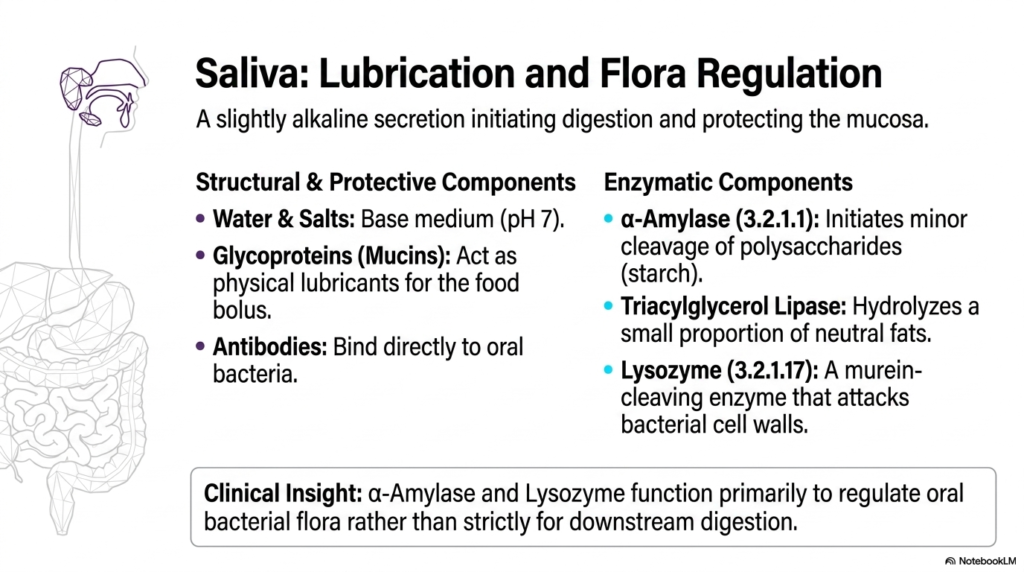
Digestion officially begins in the oral cavity, where specialized glands produce saliva to initiate the breakdown process and protect the delicate mucosal lining. This slide delves into the structural and enzymatic components of this slightly alkaline secretion, operating at a near-neutral pH of 7.0. Saliva is a water and salt-based medium, heavily populated with thick glycoproteins called mucins. These mucins act as physical lubricants, coating the food bolus to ensure safe passage down the esophagus. Here, the first Digestive Enzymes are introduced.
While lubrication is paramount, saliva introduces the very first Digestive Enzymes to the ingested food. The most prominent is alpha-amylase, a catalyst responsible for initiating the minor cleavage of complex dietary polysaccharides like starch. Although the oral phase is relatively brief, this early enzymatic attack begins the long process of carbohydrate deconstruction. Additionally, a small amount of triacylglycerol lipase is secreted to hydrolyze a minor proportion of neutral fats, setting the stage for more extensive lipid digestion later.
Interestingly, the clinical focus of oral Digestive Enzymes extends far beyond mere nutrient extraction. Alpha-amylase and other specialized proteins, like the murein-cleaving lysozyme, function primarily to regulate the oral bacterial flora. By breaking down food particles trapped between teeth and directly attacking bacterial cell walls, these specific enzymes prevent the unchecked proliferation of harmful microbes. Therefore, these components represent a dual-purpose evolutionary adaptation, blending preliminary metabolic preparation with robust immunological defense against incoming pathogens.
Slide 4: Gastric Acidification and the Support of Digestive Enzymes
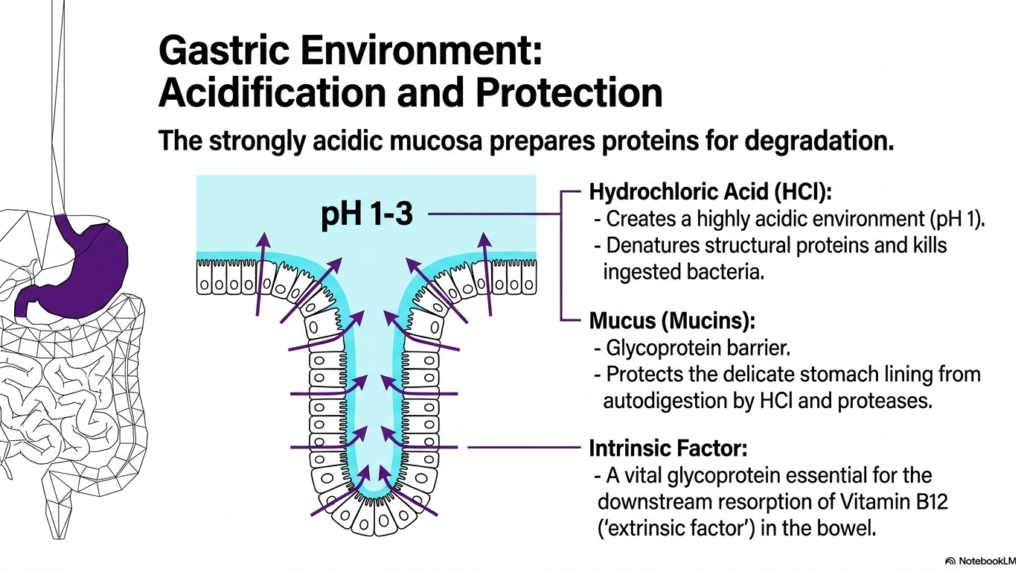
Upon entering the stomach, the food bolus encounters a hostile and highly acidic environment meticulously designed for protein degradation. This slide details the gastric mucosa’s role in acidification and cellular protection. Specialized cells vigorously pump hydrochloric acid directly into the lumen, driving the pH down to a low range of 1.0 to 3.0. This intense acidity is critical because it rapidly denatures ingested structural proteins, unraveling their complex folds to expose internal peptide bonds for subsequent attack by Digestive Enzymes.
The extreme gastric acidity serves a critical secondary function: it acts as a powerful antimicrobial barrier, destroying most ingested pathogens before they reach the intestines. However, this same highly corrosive environment poses a severe threat to the stomach itself. To prevent the organ from being degraded by its own massive secretions and localized Digestive Enzymes, the gastric mucosa secretes a continuous barrier of glycoprotein mucus. This mucin layer physically shields the delicate stomach lining from catastrophic autodigestion.
Without this robust mucosal defense, the combination of hydrochloric acid and active Digestive Enzymes would quickly ulcerate the gastric wall. Beyond acid and mucus, the stomach also secretes intrinsic factor, a specialized glycoprotein that does not directly participate in macronutrient breakdown but is essential for health. Intrinsic factor binds to dietary Vitamin B12, ensuring its eventual resorption downstream in the bowel. The stomach sets a rigorous chemical stage, carefully preparing the resulting acidic chyme for the complex neutralizing reactions that will soon follow in the delicate duodenum.
Slide 5: Initiating Protein Breakdown with Gastric Digestive Enzymes
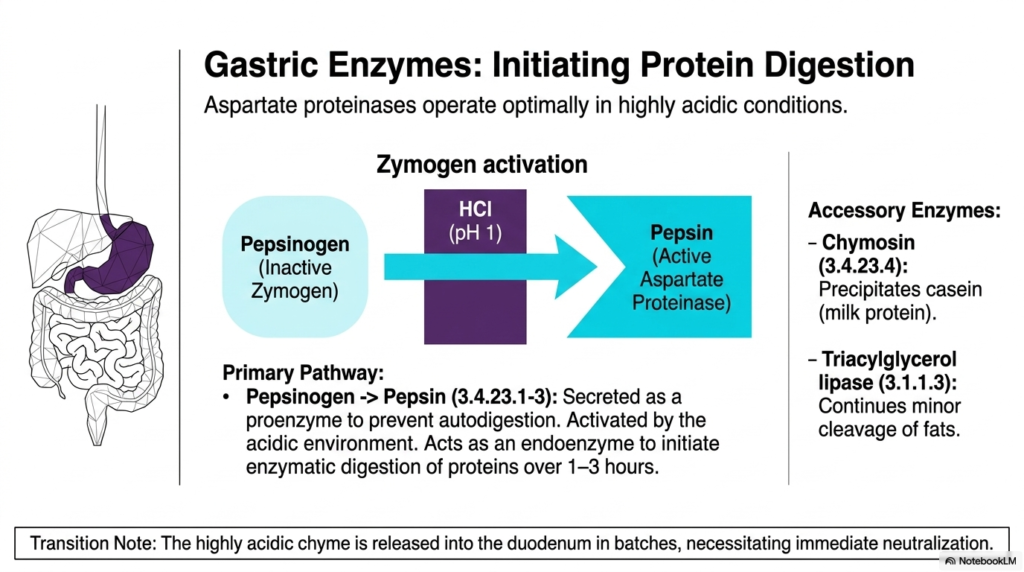
The highly acidic environment of the stomach perfectly sets the stage for the activation of specialized aspartate proteinases. This slide focuses on the primary gastric Digestive Enzymes responsible for initiating the complex process of protein digestion. Because active proteases are inherently dangerous to the living cells that synthesize them, the stomach intentionally secretes its primary protein-cleaving enzyme in an inactive zymogen form known as pepsinogen. This strategic biological packaging prevents the premature destruction of the cells located within the gastric pits.
Once secreted into the gastric lumen, pepsinogen encounters the harsh hydrochloric acid environment, triggering a rapid conformational change and necessary autocatalytic cleavage. This structural shift seamlessly transforms the inactive zymogen into pepsin, a highly active Digestive Enzyme that thrives exclusively at a pH near 1.0. As a potent endoenzyme, active pepsin attacks the interior peptide bonds of denatured dietary proteins, rapidly cleaving massive polypeptide chains into smaller, more manageable peptide fragments over the course of roughly one to three hours.
In addition to pepsin, the stomach utilizes accessory Digestive Enzymes to handle specific dietary components. Chymosin is actively secreted to specifically precipitate casein, the primary structural protein found in milk, ensuring it remains in the stomach long enough to be adequately digested. Furthermore, a specialized gastric triacylglycerol lipase continues the minor cleavage of dietary fats that began in the oral cavity. The coordinated action of these potent enzymes completely transforms the solid food bolus into a semi-liquid mixture known as chyme.
Slide 6: Pancreatic Secretions and the Protection of Digestive Enzymes
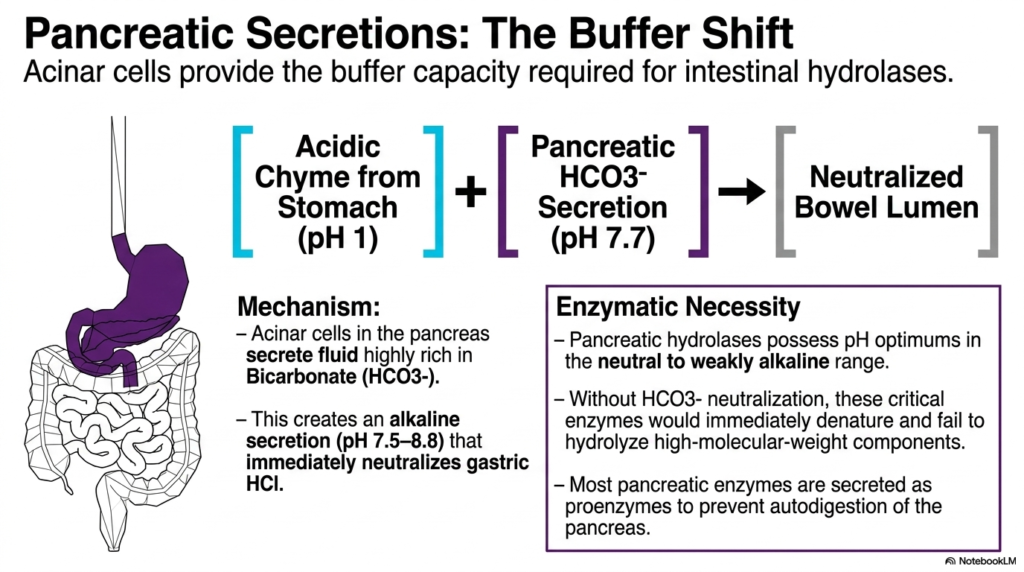
As the highly acidic chyme rapidly exits the stomach and enters the duodenum, the digestive system suddenly faces a critical chemical emergency. The delicate intestinal lining cannot withstand prolonged exposure to a pH of 1.0, nor can the vital intestinal Digestive Enzymes function properly in such harsh acidity. This slide explores the vital mechanism of the pancreatic buffer shift. Specialized acinar cells within the pancreas rapidly respond to this acidic influx by vigorously secreting fluid heavily saturated with basic bicarbonate ions.
This crucial bicarbonate-rich pancreatic secretion acts as a powerful alkaline buffer, boasting a pH fluctuating between 7.5 and 8.8. When this alkaline fluid physically mixes with the highly acidic chyme, a rapid chemical neutralization occurs within the bowel lumen, bringing the local environment to a much safer, near-neutral state. This rapid pH modulation is not just about protecting the vulnerable intestinal mucosa; it is an absolute enzymatic necessity for the intricate next stage of metabolic breakdown to proceed successfully using Digestive Enzymes.
The vital Digestive Enzymes produced by the pancreas, which include powerful hydrolases, possess specific pH optimums that fall squarely in the neutral to weakly alkaline range. Without the immediate neutralizing effect of the actively secreted bicarbonate, these indispensable catalytic proteins would rapidly denature, permanently losing their three-dimensional folded structures. Consequently, they would completely fail to hydrolyze the high-molecular-weight food components arriving directly from the stomach, severely halting the entire digestive process and directly causing massive nutritional malabsorption.
Slide 7: Serine Proteinases and Pancreatic Digestive Enzymes
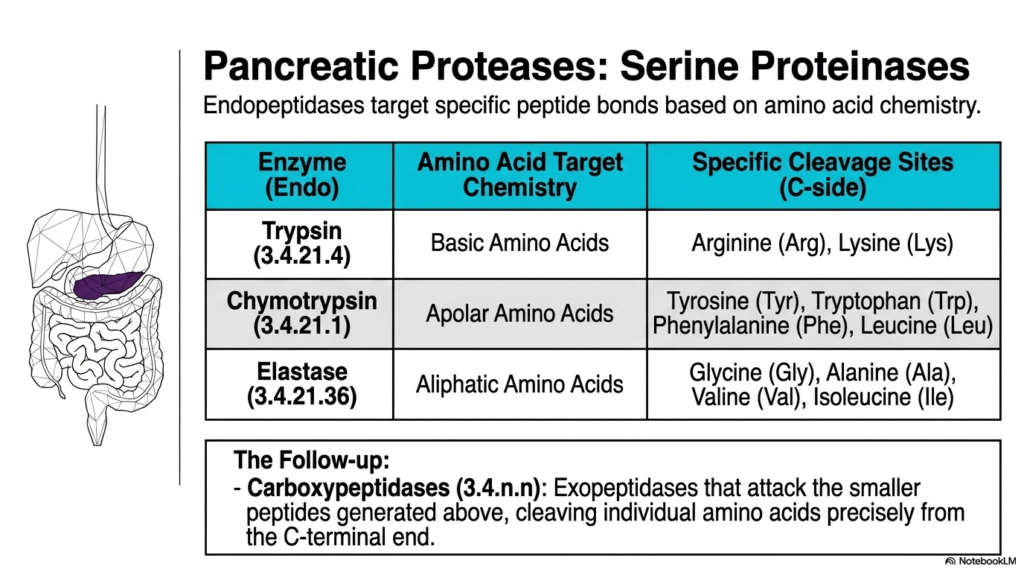
With the local intestinal environment successfully neutralized, the biological stage is set for the robust and highly specific breakdown of complex dietary proteins. This slide maps out the specialized serine proteinases heavily deployed by the pancreas, illustrating how these powerful Digestive Enzymes systematically target distinct chemical bonds. The pancreas secretes a tightly coordinated suite of endopeptidases, which are specifically designed to selectively attack and quickly cleave peptide bonds deep within the interior of large polypeptide chains.
What makes these specialized pancreatic Digestive Enzymes so remarkable is their immense biochemical specificity, which is based on strict target amino acid chemistry. For example, the enzyme trypsin exclusively recognizes and cleaves internal bonds directly adjacent to basic amino acids like arginine and lysine. Conversely, the powerful chymotrypsin targets specific apolar, aromatic amino acids such as tyrosine and phenylalanine. Finally, elastase is uniquely engineered to recognize aliphatic amino acids like glycine and alanine, highlighting a precise evolutionary division of metabolic labor.
By actively deploying this incredibly diverse arsenal of complementary Digestive Enzymes, the digestive system tightly ensures that complex dietary proteins are thoroughly dismantled from the inside out, regardless of their sequence. Following the initial internal fracturing smoothly executed by these endopeptidases, the pancreas carefully releases highly specialized exopeptidases known as carboxypeptidases. These expertly targeted enzymes actively attack the newly generated small peptides directly from the exterior, precisely cleaving individual amino acids one by one specifically from the extreme C-terminal end of the short chain.
Slide 8: Lipid and Nucleic Acid Breakdown by Digestive Enzymes
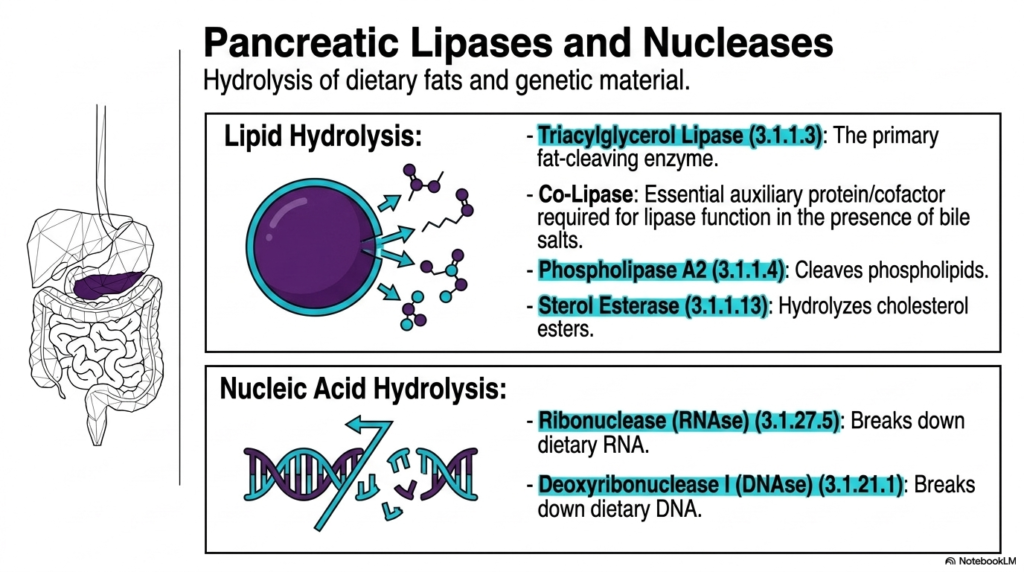
While robust protein digestion is a central focus of the pancreas, this incredibly versatile organ must also process dense dietary fats and ingested genetic material. This highly detailed slide thoroughly investigates the specialized lipases and potent nucleases directly secreted into the small intestine. Unlike simple water-soluble proteins and carbohydrates, dietary fats present a massive biochemical challenge entirely due to their inherent insolubility in the heavily aqueous environment of the gut. To conquer this, the pancreas deploys extremely specific Digestive Enzymes tailored for lipid hydrolysis.
The primary fat-cleaving enzyme is triacylglycerol lipase, which relies on an essential auxiliary protein cofactor called co-lipase to function effectively in the active intestinal environment. Alongside this critical primary lipase, the pancreas vigorously secretes phospholipase A2 to actively cleave cellular phospholipids, as well as sterol esterase to rapidly hydrolyze complex dietary cholesterol esters. Together, these highly focused lipid-targeting Digestive Enzymes work aggressively to rapidly dismantle complex fat globules into singular free fatty acids and individual monoglycerides that the intestinal lining can readily absorb.
Beyond common macronutrients, the digestive system must also aggressively break down the microscopic genetic instructions hidden within the cells of the food we consume. The pancreas cautiously releases highly specialized Digestive Enzymes engineered specifically for targeted nucleic acid hydrolysis. Powerful ribonuclease targets and breaks down dietary RNA strands, while potent deoxyribonuclease dismantles dietary DNA into individual nucleotide fragments. This prevents foreign genetic material from persisting intact within the human digestive tract, underscoring the comprehensive nature of pancreatic secretions.
Slide 9: Carbohydrate Processing via Pancreatic Digestive Enzymes
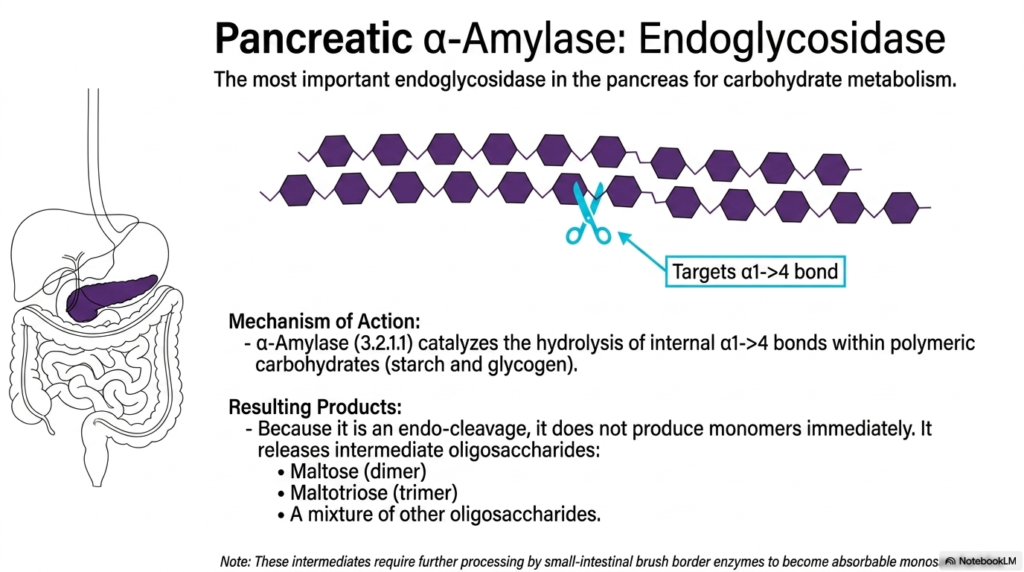
Carbohydrates represent a massive, essential source of human metabolic energy, usually consumed in the dense form of highly branched plant starches or stored animal glycogen. This slide focuses on pancreatic alpha-amylase, the most critical endoglycosidase in the digestive system for processing these complex carbohydrate polymers. While minor salivary action initiates the earliest carbohydrate breakdown, it is truly this potent pancreatic variation of the Digestive Enzymes that forcefully drives the vast bulk of internal sugar metabolism.
The primary mechanism of action for pancreatic alpha-amylase heavily relies on its remarkable ability to catalyze the necessary internal hydrolysis of strict alpha-1,4 glycosidic bonds hiding within massive polymeric carbohydrate chains. Because this biological catalyst functions strictly as a targeted endo-cleaving enzyme, it attacks rapidly from the inside out, meaning it does not immediately produce easily absorbable single sugar monomers. Instead, the intense action of these potent pancreatic Digestive Enzymes systematically chops the massive starch molecules into somewhat smaller, manageable intermediate chain fragments.
The resulting chemical products of this intense enzymatic activity are a diverse mixture of intermediate saccharides. The action of these entirely specific Digestive Enzymes floods the intestinal lumen with small maltose dimers, maltotriose trimers, and other longer-chain oligosaccharides. While significantly smaller than the original ingested starch, these resulting molecules are still too large to cross the highly selective cellular barrier of the small intestine. These complex intermediate products require significant further, highly specific biological processing later in the digestive journey by the brush border.
Slide 10: Bile, Emulsification, and the Support of Digestive Enzymes
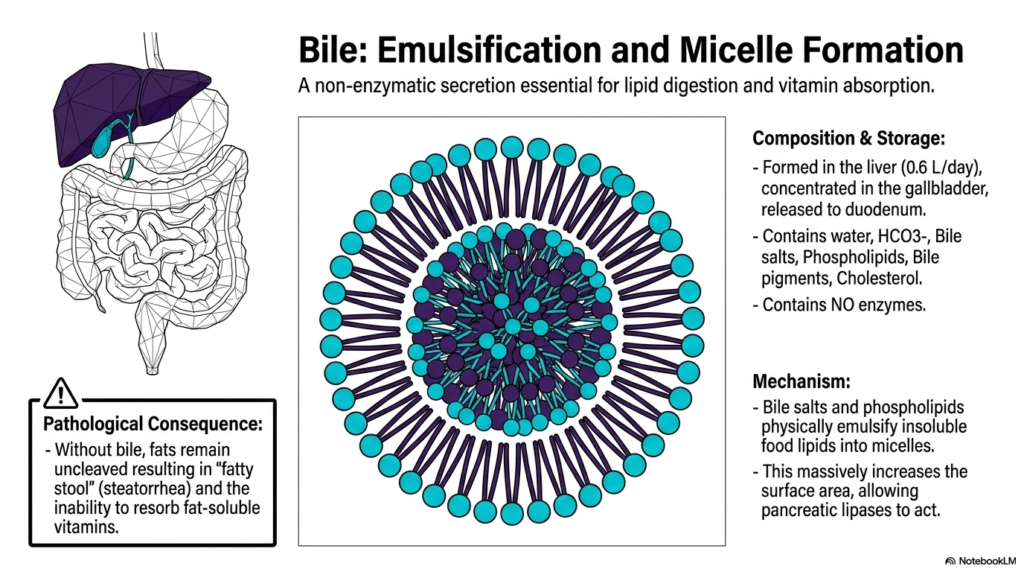
Not all vital gastrointestinal secretions possess intrinsic catalytic molecular activity. This informative slide shifts focus to bile, a profoundly important, non-enzymatic physiological fluid that is essential for the highly successful digestion of dense dietary lipids and the systemic absorption of fat-soluble vitamins. Formed continuously deep within the liver, bile is carefully concentrated and safely stored tightly within the gallbladder before being strategically released into the active duodenum. It is important to note that bile itself fundamentally contains absolutely zero functional Digestive Enzymes.
Instead of catalytic proteins, bile is heavily composed of a remarkably complex mixture of water, neutralizing bicarbonate, potent bile salts, highly protective phospholipids, various bile pigments, and cholesterol. The biochemical mechanism of this specialized fluid relies on the strictly physical properties of its potent bile salts and phospholipids, which work closely together to emulsify highly insoluble dietary fats. This shatters large lipid droplets into tiny microscopic spheres known as micelles, radically changing the physical environment for Digestive Enzymes.
This aggressive mechanical emulsification process is a physiological prerequisite for any successful dietary lipid metabolism. By shattering massive fat globules into millions of microscopic micelles, bile massively increases the overall physical surface area of the complex lipids, thoroughly exposing them to the surrounding aqueous environment. This dramatic increase in microscopic surface area forcefully allows the highly specific water-soluble pancreatic Digestive Enzymes, specifically the potent lipases actively discussed previously, to actually reach their complex lipid substrates and properly perform necessary chemical cleavage.
Slide 11: Terminal Proteolysis by Intestinal Digestive Enzymes
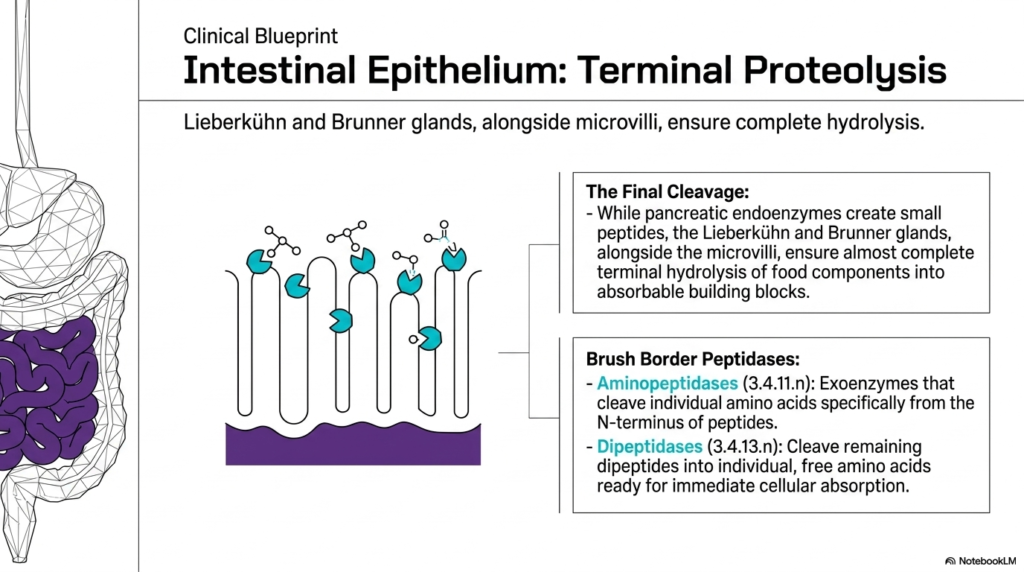
As digestion progresses deeper into the gastrointestinal tract, the biological focus shifts rapidly from massive macromolecular fracturing to highly precise, specific micro-level chemical cleavage. This detailed slide illuminates the profoundly critical final terminal stages of intricate protein breakdown, a biological process reliant on the specialized microscopic anatomy of the vast intestinal epithelium. The structurally deep Lieberkühn and Brunner glands, working intricately alongside the expansive brush border microvilli, powerfully ensure the complete structural hydrolysis of all incoming dietary components using terminal Digestive Enzymes.
Up to this anatomical point, circulating pancreatic endoenzymes have successfully reduced massive dietary proteins into thousands of completely small, freely floating chaotic peptides. However, the human body generally requires singular, completely isolated amino acids for functional systemic vascular absorption. The microscopic brush border of the sprawling intestinal wall is studded with extremely specialized, anchored Digestive Enzymes precisely designed to flawlessly execute this final microscopic cleavage. These specialized stationary catalytic proteins ensure that small free peptides are methodically broken down.
The primary reactive agents of this extremely precise terminal biological phase are the robust brush border peptidases. Specialized aminopeptidases function as highly aggressive exoenzymes, attacking small drifting peptides and completely cleaving isolated specific amino acids exactly from the N-terminus of highly complex chains. Working closely in seamless tandem, powerful dipeptidases target remaining dipeptides, fracturing them down the middle. These deeply tethered structural Digestive Enzymes strictly act as final biological gatekeepers, perfectly preparing the molecules for immediate cellular absorption.
Slide 12: Terminal Carbohydrate Processing by Brush Border Digestive Enzymes
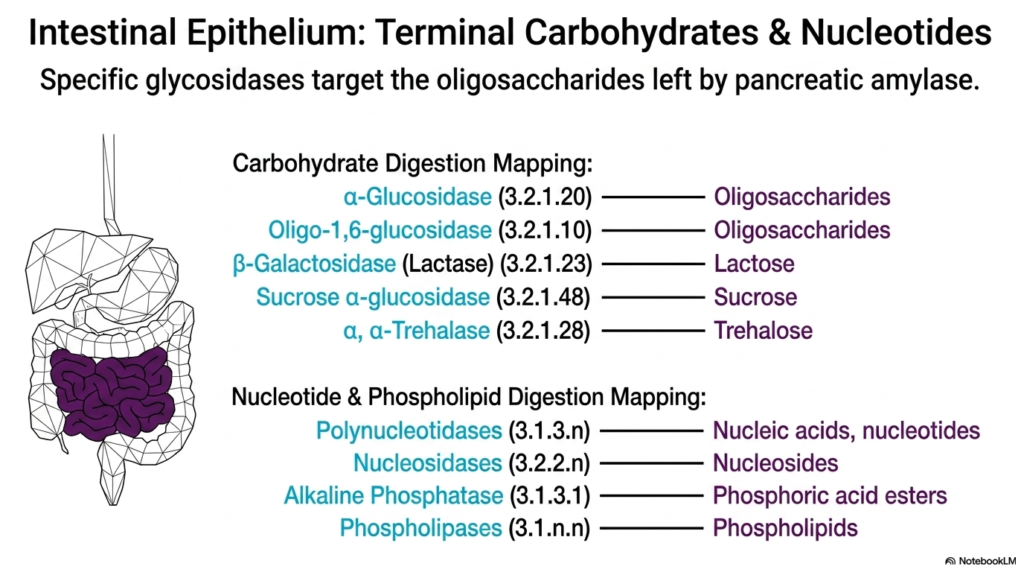
Just as complex protein digestion requires a highly precise terminal phase, the intricate processing of dense dietary sugars must also be finalized at the active intestinal wall. This highly detailed slide maps the extremely specific, firmly tethered specialized glycosidases that target the remaining intermediate circulating oligosaccharides left behind by the earlier intense action of circulating pancreatic amylase. The microscopic brush border is heavily populated with uniquely specialized tethered Digestive Enzymes solely dedicated to this crucial task, meticulously ensuring no massive sugars pass unabsorbed.
The complex carbohydrate digestion anatomical mapping clearly reveals a remarkable biological division of enzymatic labor fundamentally based on strict chemical structure. Specialized digestive enzymes, such as alpha-glucosidase and oligo-1,6-glucosidase, methodically and rapidly dismantle remaining intermediate complex oligosaccharides cleanly down right into fully single individual separate simple basic molecular structural units. This precisely targeted and spatially coordinated chemical action ensures that the intermediate carbohydrate polymers are systematically reduced to their most fundamental molecular components, preparing them for highly efficient systemic cellular uptake.
Meanwhile, specific dietary disaccharides require their own dedicated catalytic proteins for successful breakdown. Lactase targets the dairy sugar lactose, sucrase cleaves the common table sugar sucrose, and trehalase dismantles trehalose, highlighting an incredible level of evolutionary substrate specificity along the intestinal wall. Beyond basic carbohydrates, the remarkably adaptive intestinal epithelium is functionally fully equipped to handle vital genetic materials and structural lipids. The expansive brush border rapidly deploys specialized Digestive Enzymes like polynucleotidases and phospholipases to aggressively finish the entire massive breakdown process flawlessly.
Slide 13: Mechanistic Classification of Digestive Enzymes
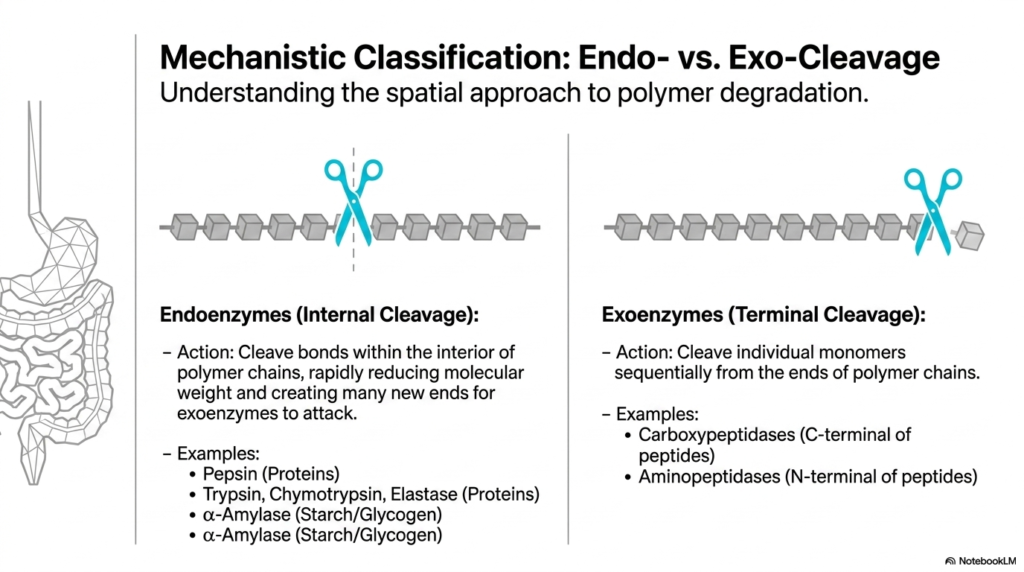
Understanding the spatial approach to polymer degradation is absolutely crucial for grasping the grand orchestration of human digestion. This conceptual slide explicitly breaks down the fundamental mechanistic classification distinguishing the two primary operational categories of Digestive Enzymes: endoenzymes and exoenzymes. The visual perfectly uses the intuitive metaphor of a precise molecular scissor to clearly illustrate how these specialized biological catalysts approach the massive task of structurally dismantling incredibly long, complex polymer chains. This classification helps medical students organize the overwhelming diversity of intestinal hydrolases.
Endoenzymes are defined by their remarkable ability to rapidly perform internal cleavage. Instead of methodically nibbling at the very edges of a molecule, these powerful Digestive Enzymes dive directly into the deep interior of massive polymer chains. By cleaving chemical bonds firmly within the interior structure, endoenzymes rapidly reduce the overall molecular weight of the complex substrate. Excellent physiological examples of this aggressive internal action include gastric pepsin and pancreatic alpha-amylase, which quickly shatter massive polymers into multiple smaller, intermediate chain fragments.
In stark contrast to the internal fracturing, exoenzymes firmly specialize entirely in highly methodical terminal cleavage. These specialized Digestive Enzymes strictly act by precisely cleaving individual monomers sequentially straight from the extreme ends of the polymer chains. The newly created molecular ends generated rapidly by the previous endoenzyme activity serve as ideal specific starting points for these exoenzymes. Physiological examples smoothly include the vital carboxypeptidases and anchored aminopeptidases, which systematically finish the entire massive job of chemical degradation by releasing isolated single building blocks.
Slide 14: The Journey of Proteins and Fats via Digestive Enzymes
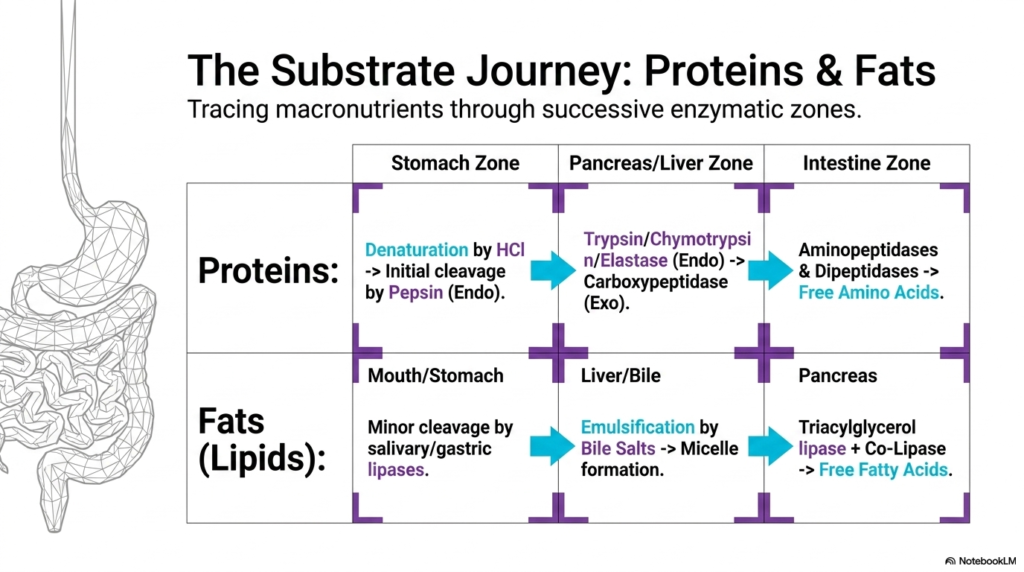
To truly understand human gastrointestinal physiology, one must successfully trace the complex linear progression of ingested macronutrients as they travel dynamically through successive enzymatic zones. This highly integrative slide elegantly maps out the complete substrate journey specifically for complex proteins and dense dietary fats. The organized matrix format beautifully illustrates exactly how different anatomical regions seamlessly collaborate. As a food bolus actively transitions from the stomach to the intestine, it is sequentially heavily processed by an entirely distinct set of localized Digestive Enzymes.
For structural proteins, the complex chemical journey officially begins directly in the extremely harsh, highly acidic environment of the stomach. Here, intense denaturation forcefully unfolds the protein structure, rapidly allowing gastric pepsin to perform the initial vital internal cleavage. As this partially digested protein matrix forcefully enters the delicate pancreas and liver zone, it heavily encounters a powerful barrage of pancreatic Digestive Enzymes like trypsin, chymotrypsin, and elastase. This rapidly transitions the process smoothly from massive internal fracturing to careful methodical external nibbling by specialized carboxypeptidases.
Finally, the highly fragmented protein reaches the active intestinal zone, where tethered brush border aminopeptidases smoothly finish the job, yielding completely free, absorbable amino acids. The intricate lipid journey is similarly mapped, explicitly highlighting the minor initial cleavage by salivary lipases before heavily reaching the crucial emulsification stage tightly mediated by liver bile salts. This vital mechanical step enables the powerful pancreatic Digestive Enzymes, specifically the potent triacylglycerol lipase, to finally yield completely free, highly absorbable single cellular fatty acids.
Slide 15: The Carbohydrate Journey and Digestive Enzymes
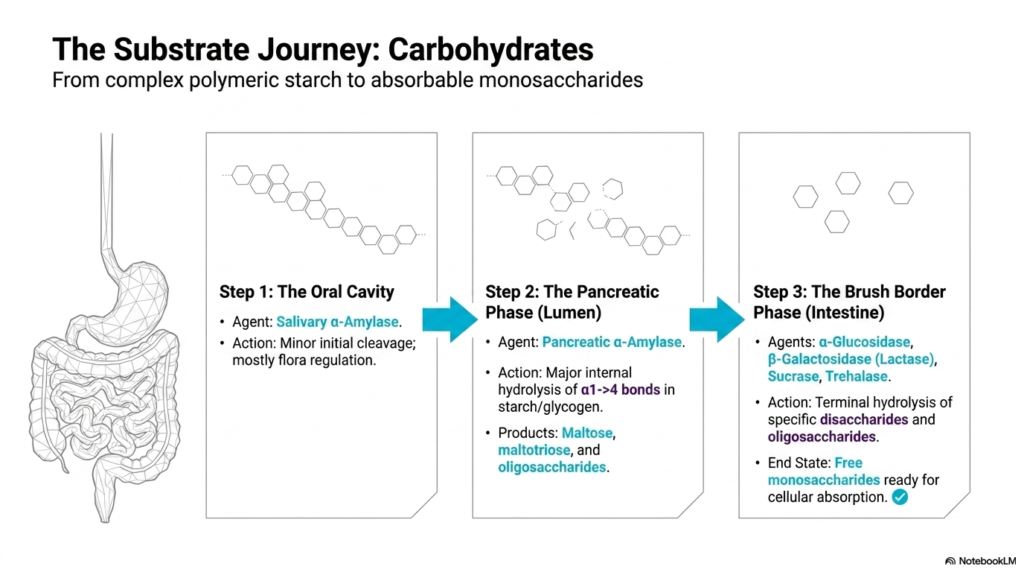
The final slide of this educational deck perfectly traces the intricate, step-by-step sequential breakdown of complex polymeric starch into completely absorbable free monosaccharides. This visually striking roadmap beautifully summarizes the entire, highly coordinated biological effort required to extract essential metabolic energy from dietary carbohydrates. The highly linear progression clearly demonstrates how entirely different anatomical compartments sequentially deploy distinct, highly specialized classes of Digestive Enzymes to systematically achieve complete structural hydrolysis across three specific physiological phases.
Step one officially begins quickly in the oral cavity, precisely where salivary alpha-amylase rapidly initiates minor preliminary cleavage. While this initial action primarily aids in regulating vital bacterial flora, it sets the metabolic stage. The massive chemical bulk of the complex carbohydrate processing occurs rapidly in step two within the duodenal lumen. Here, highly potent pancreatic Digestive Enzymes perform massive internal hydrolysis, rapidly transforming massive starch polymers directly into smaller maltose dimers, maltotriose trimers, and various other circulating intermediate oligosaccharides.
Step three beautifully illustrates the highly critical terminal brush border phase occurring directly at the active intestinal wall. This highly localized microscopic anatomical zone is where specifically tethered digestive enzymes perform the essential terminal hydrolysis of specific disaccharides and remaining oligosaccharides. Specialized agents like alpha-glucosidase, lactase, and sucrase ensure that the final metabolic end state yields fully free, individual monosaccharides. These isolated molecules are now biologically ready for immediate, highly efficient absorption into the systemic circulation.
Please read our Content Disclaimer Statement.
Check out our social media channels: