122. Ethanol Metabolism: From Biochemical Pathways to Liver Pathology
Drinking a glass of wine or a mug of beer is a common social activity, but how does the human body process alcohol at the molecular level? The journey of alcohol through human physiology reveals a complex series of chemical conversions and cellular challenges. This slide deck explores the fundamental biochemistry of alcohol degradation, detailing the enzymatic steps, systemic distribution, and metabolic shifts that occur in the liver. By analyzing these pathways, students gain a clear understanding of how cellular processing directly drives clinical conditions, from simple hangovers to severe organ damage.
Slide 1: Introduction to Ethanol Metabolism and Its Pathological Consequences
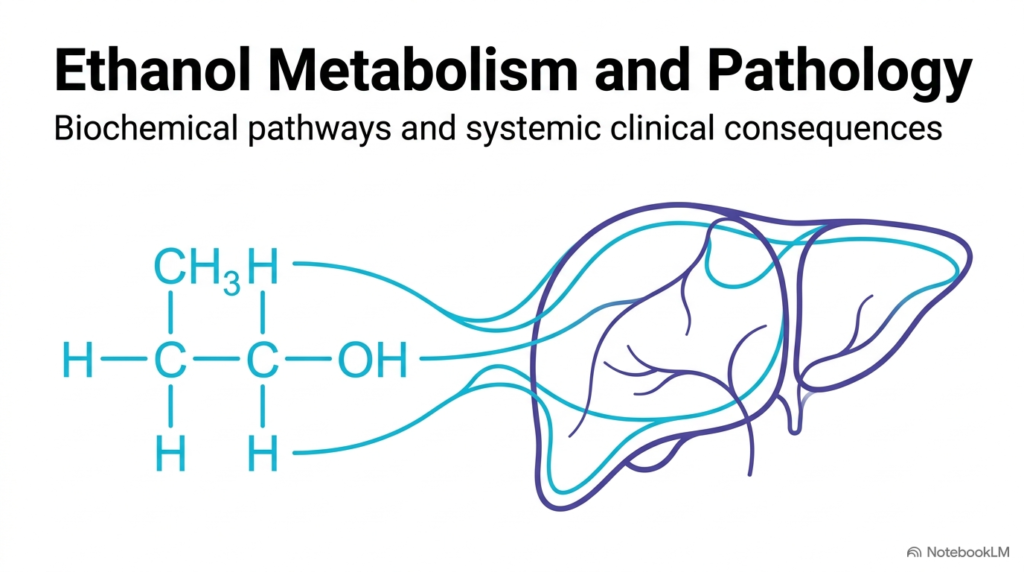
The introductory slide provides a foundational framework for understanding ethanol metabolism and its direct links to hepatic disease. Ethanol is a small, two-carbon alcohol with both hydrophilic and lipophilic properties that allow rapid diffusion across biological membranes. After oral ingestion, the body must process and eliminate this foreign compound through specialized enzymatic systems concentrated primarily in liver cells. Medical students must master the biochemical principles of ethanol metabolism because alcohol’s physical and chemical properties determine how effectively the liver clears the substrate from systemic circulation.
The liver is the primary metabolic organ that orchestrates the complex pathways of ethanol metabolism. Within hepatic tissue, specific metabolic pathways break down alcohol while simultaneously altering cellular energy balances and redox states. When the rate of alcohol intake exceeds normal clearance capacities, ethanol metabolism creates severe biochemical stresses, driving intracellular lipid accumulation and cellular injury. This visual model highlights the crucial link between molecular structures and systemic clinical outcomes, showing how simple enzymatic reactions shape overall organ health.
Furthermore, studying ethanol metabolism highlights the systemic implications of alcohol processing beyond the digestive tract. As ethanol circulates through blood vessels, unmitigated metabolic byproducts interact with surrounding tissues, triggering inflammatory signaling and cellular dysfunction. Understanding these initial metabolic events provides essential context for evaluating downstream organ damage and chronic metabolic disorders.
Slide 2: Pharmacokinetics and Resorption Factors in Ethanol Metabolism
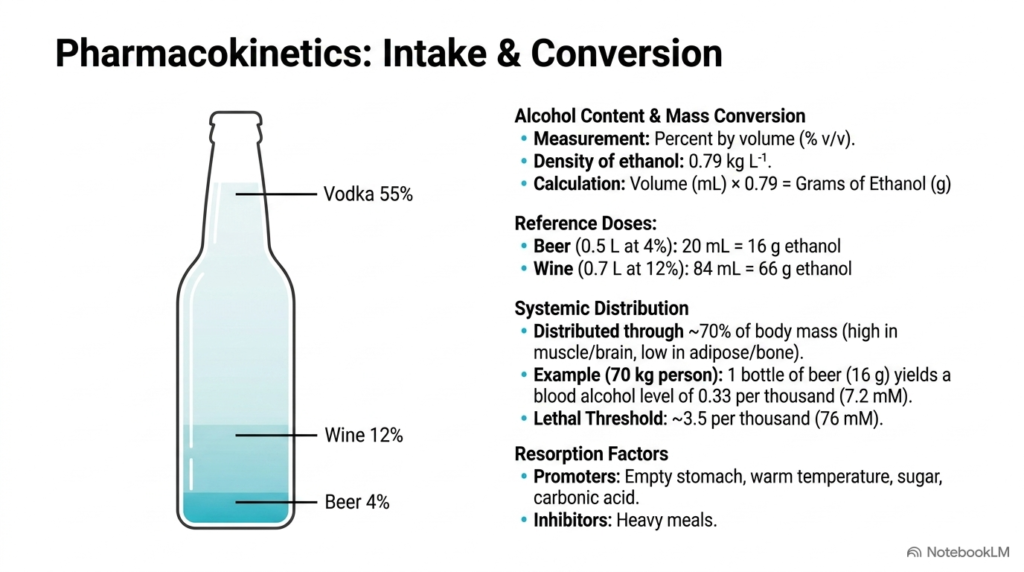
Pharmacokinetic principles dictate how the human body absorbs, distributes, and processes alcohol during ethanol metabolism. Ingested beverages vary widely in alcohol concentration, ranging from four percent in standard beer to twelve percent in wine and fifty-five percent in distilled spirits. Mass calculations show that ethanol has a physical density of 0.79 grams per milliliter, allowing precise conversion of liquid volume into exact chemical mass. Following gastrointestinal absorption, ethanol distributes broadly across total body water, readily penetrating water-dense tissues like skeletal muscle and brain tissue while avoiding lipid-dense adipose tissue.
Multiple physiological factors directly alter the absorption rate by modifying gastrointestinal motility. Consuming alcohol on an empty stomach or alongside warm, carbonated beverages accelerates stomach emptying, resulting in rapid spikes in blood alcohol levels. Conversely, heavy meals rich in protein and fat strongly inhibit absorption by delaying gastric emptying and slowing entry into portal circulation. In a standard seventy-kilogram individual, consuming a single bottle of beer yields a blood alcohol level of zero point three three per thousand, whereas the lethal threshold approaches three point five per thousand.
Recognizing these pharmacokinetic variables clarifies why identical alcoholic doses produce varying blood concentrations among different individuals. Understanding absorption rates during ethanol metabolism provides a baseline for analyzing enzyme-saturation limits and zero-order clearance curves in clinical settings.
Slide 3: Zero-Order Clearance Kinetics in Ethanol Metabolism
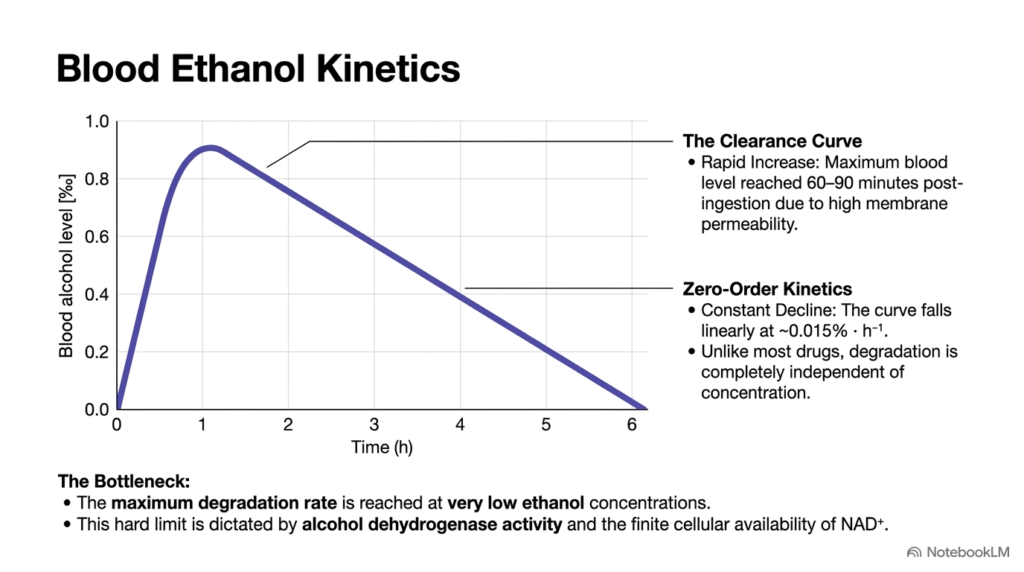
Blood clearance curves illustrate a unique pharmacological property of ethanol metabolism: zero-order elimination kinetics. After ingestion, blood alcohol concentrations rise rapidly to a peak within sixty to ninety minutes due to high cell membrane permeability across the gastrointestinal tract. Unlike most drugs that undergo first-order clearance proportional to blood levels, alcohol clears from the bloodstream at a constant linear rate of approximately zero point zero one five percent per hour. This linear drop demonstrates that clearance mechanisms operate at absolute maximum capacity regardless of total blood alcohol concentration.
The physiological bottleneck during ethanol metabolism arises from enzyme saturation within hepatocytes. Primary degradation enzymes reach full saturation at very low alcohol concentrations, imposing a strict limit on clearance velocity. Additionally, hepatic clearance relies on a finite intracellular pool of oxidized nicotinamide adenine dinucleotide cofactors. Because cofactor regeneration cannot match rapid alcohol intake, ethanol metabolism remains strictly time-dependent. Consequently, elapsed time is the only factor that can reduce blood alcohol concentrations after consumption.
This kinetic bottleneck carries significant clinical relevance for emergency medicine and toxicology. Because the rate of ethanol metabolism remains fixed, high doses lead to prolonged systemic exposure, increasing the risk of acute toxicity and central nervous system depression.
Slide 4: The Three-Step Hepatic Pathway of Ethanol Metabolism
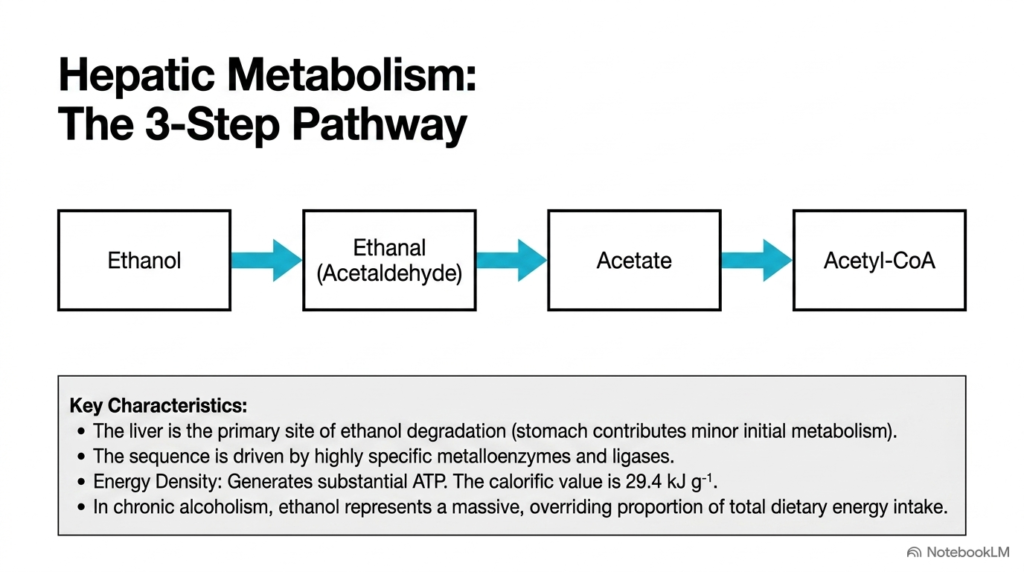
Hepatic tissue processes ingested alcohol through a structured sequential pathway that defines ethanol metabolism. This three-step enzymatic sequence converts parent ethanol to ethanal, oxidizes ethanal to acetate, and finally activates acetate to acetyl-coenzyme A for cellular use. Although the gastric mucosa performs minor initial metabolism, the liver carries out the vast majority of chemical degradation. Highly specific metalloenzymes and ligases drive each consecutive reaction, ensuring toxic intermediates are rapidly processed into manageable metabolic fuels.
The caloric yield associated with ethanol metabolism is substantial, generating approximately twenty-nine point four kilojoules of energy per gram of alcohol consumed. In individuals with chronic alcohol dependence, this metabolic pathway contributes an overriding proportion of total daily dietary energy intake. However, relying on alcohol as a primary energy source forces liver cells to handle massive surpluses of reduced cofactors and metabolic intermediates. This heavy reliance alters normal nutrient processing and shifts baseline hepatic energy production.
Analyzing this fundamental three-step pathway explains how routine ethanol metabolism impacts global cellular signaling. By tracking carbon flow through each intermediate stage, researchers can evaluate how alcohol breakdown disrupts normal carbohydrate, protein, and lipid pathways inside hepatic tissue. Understanding this metabolic framework gives medical students a strong foundation for studying liver pathology and metabolic regulation.
Slide 5: Enzymatic Oxidation to Ethanal in Ethanol Metabolism
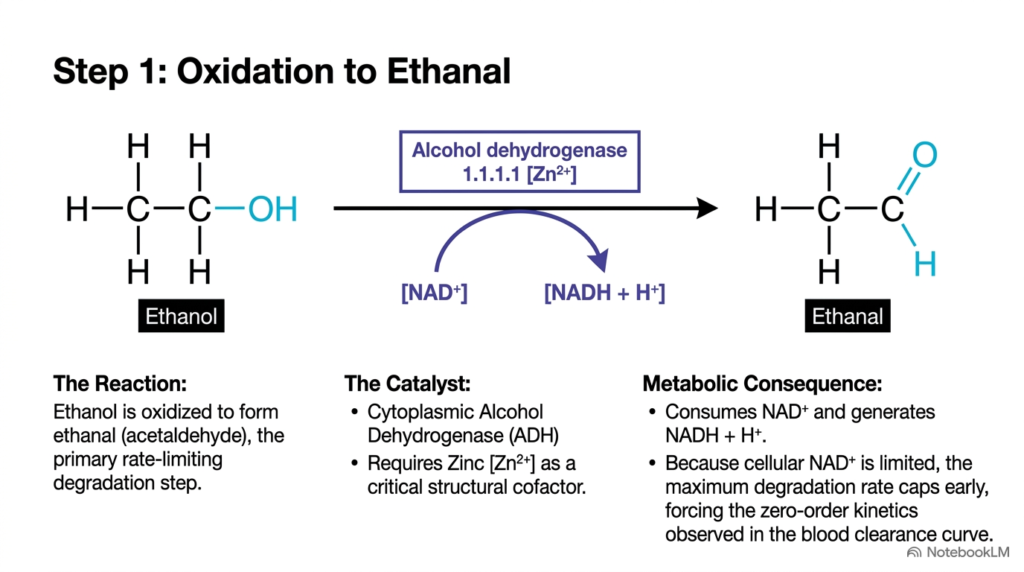
The first step of ethanol metabolism is the direct oxidation of ethanol to ethanal, commonly called acetaldehyde. This primary reaction occurs in the cell cytoplasm and is the main rate-limiting step governing overall alcohol degradation. Cytoplasmic alcohol dehydrogenase, a specialized metalloenzyme containing essential structural zinc ions, serves as the primary catalyst. Zinc stabilizes the active-site architecture, enabling the enzyme to efficiently transfer hydride ions from the alcohol directly to neighboring nicotinamide adenine dinucleotide cofactors.
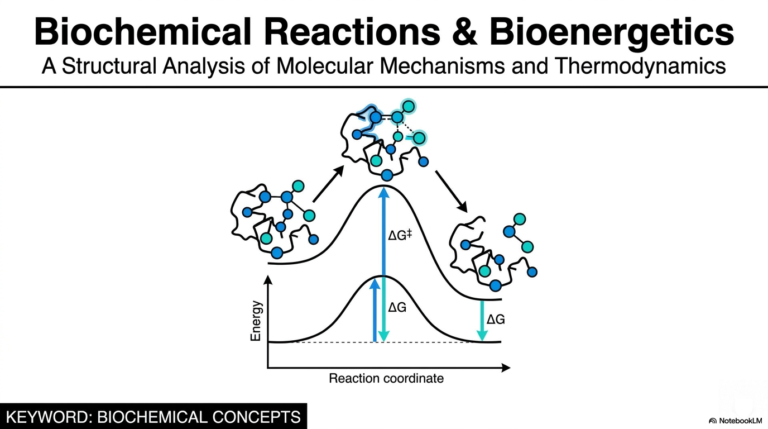
This oxidation step in ethanol metabolism converts oxidized cofactors into reduced nicotinamide adenine dinucleotide plus hydrogen ions. Because intracellular supplies of oxidized cofactors are strictly limited, this reaction creates an immediate metabolic bottleneck that caps degradation capacity early. This enzymatic limitation directly forces the zero-order kinetics observed in blood clearance measurements. By consuming vital oxidized cofactors, the first step of ethanol metabolism shifts the baseline redox state of hepatocytes.
Furthermore, ethanal production generates a highly reactive intermediate that can interact with nearby cellular components. Understanding this initial oxidation step during ethanol metabolism clarifies how early metabolic events trigger downstream oxidative stress and cellular toxicity. This primary step establishes the chemical foundation for subsequent enzymatic conversions in the liver.
Slide 6: The Microsomal MEOS Pathway in Ethanol Metabolism
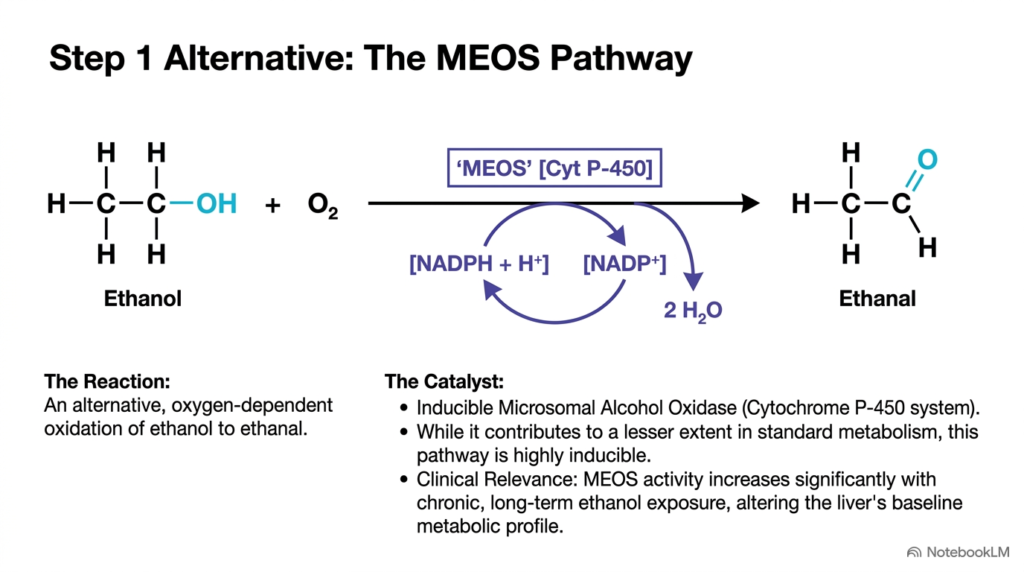
When blood alcohol levels rise significantly, an alternative clearance route known as the microsomal ethanol oxidizing system supports ethanol metabolism. Located within the smooth endoplasmic reticulum, this oxygen-dependent pathway utilizes cytochrome P-450 enzymes to convert ethanol into ethanal. Unlike the primary cytoplasmic pathway, this auxiliary mechanism consumes reduced nicotinamide adenine dinucleotide phosphate and molecular oxygen, generating oxidized cofactors and water as byproducts. Although it contributes less under normal low-dose conditions, this system expands total metabolic capacity significantly during heavy exposure.
The microsomal pathway plays a distinct clinical role in sustained ethanol metabolism because it is highly inducible. Chronic, heavy alcohol exposure stimulates endoplasmic reticulum enzyme expression, significantly increasing clearance capacity over time. However, this metabolic induction alters baseline liver physiology and increases cellular susceptibility to oxidative stress and toxic drug interactions. Evaluating this alternative pathway helps researchers understand adaptive physiological responses during chronic ethanol metabolism across different clinical patient populations.
In addition, cytochrome P-450 activity generates reactive oxygen species that can damage endoplasmic reticulum membranes and cellular proteins. Examining the microsomal system reveals how adaptive mechanisms during ethanol metabolism can inadvertently accelerate cell injury. Medical students must recognize this pathway when evaluating chronic alcohol exposure, altered drug clearance rates, and hepatic oxidative stress.
Slide 7: Ethanal Processing and Toxicity in Ethanol Metabolism
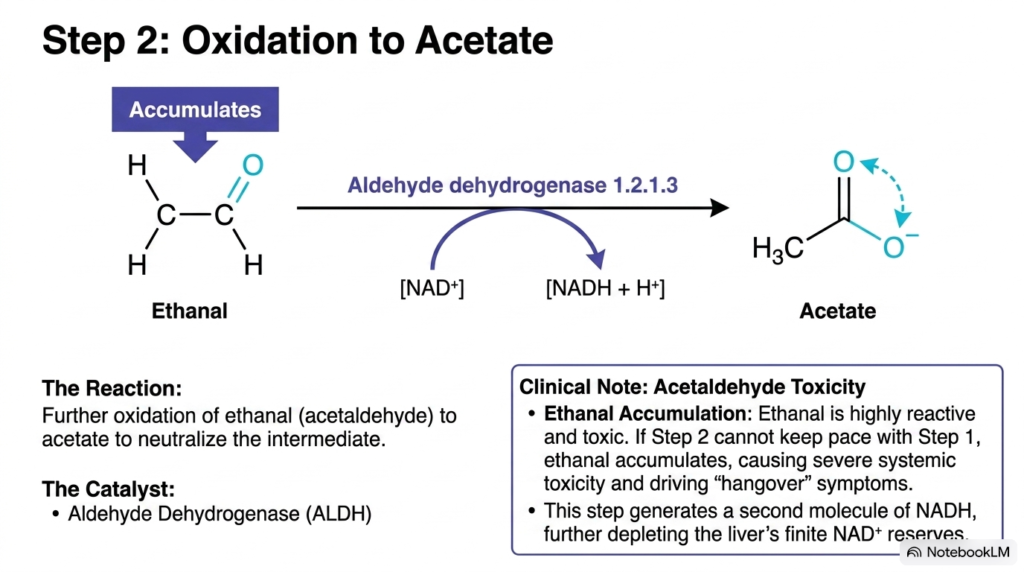
The second stage of ethanol metabolism converts reactive ethanal into benign acetate. Mitochondrial aldehyde dehydrogenase catalyzes this vital oxidation reaction, utilizing additional oxidized cofactors to neutralize the volatile intermediate metabolite. Ethanal is an exceptionally reactive compound that can bind proteins, disrupt cellular structures, and impair enzymatic activity throughout hepatic tissue. Therefore, rapid secondary oxidation is critical to prevent dangerous tissue accumulation and maintain cellular integrity during standard ethanol metabolism.
If secondary aldehyde processing fails to keep pace with primary alcohol oxidation, ethanal accumulates within tissues, driving severe systemic toxicity and unpleasant hangover symptoms. Furthermore, this reaction generates a second molecule of reduced nicotinamide adenine dinucleotide, further depleting the finite pool of oxidized cofactors required for healthy liver metabolism. Unbalanced intermediate accumulation during ethanol metabolism demonstrates how enzyme bottlenecks directly cause acute cellular pathology and systemic discomfort across multiple organ systems.
Chronic ethanal accumulation also promotes DNA adduct formation and structural damage within mitochondria. Investigating this secondary oxidation step in ethanol metabolism underscores the importance of maintaining balanced enzymatic flux to protect hepatocytes from chemical injury. Mastering this stage clarifies why aldehyde accumulation causes widespread cellular dysfunction, oxidative damage, and systemic inflammation. Consequently, therapeutic strategies often target aldehyde dehydrogenase activity to mitigate toxicity.
Slide 8: Activation to Acetyl-CoA in Ethanol Metabolism
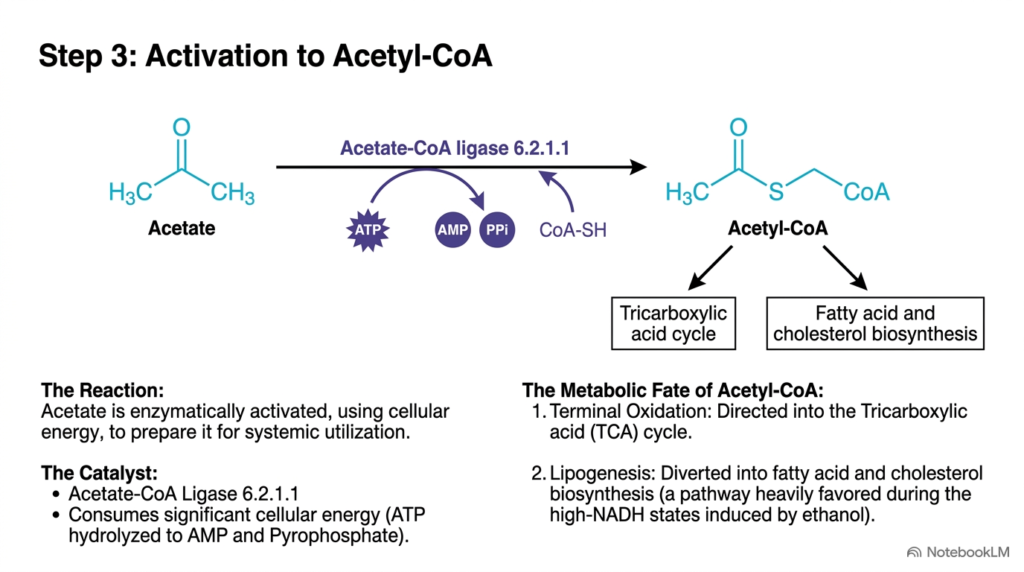
The final phase of ethanol metabolism transforms generated acetate into acetyl-coenzyme A, preparing the carbon skeleton for cellular energy utilization. Acetate-CoA ligase catalyzes this activation in hepatocytes, consuming significant chemical energy. The reaction hydrolyzes adenosine triphosphate into adenosine monophosphate and inorganic pyrophosphate, trapping acetate as a high-energy thioester ready for downstream metabolic integration throughout the cell.
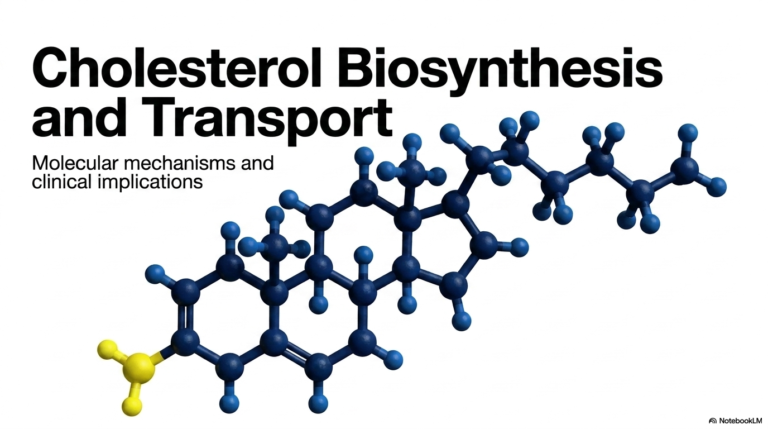
Once formed, acetyl-coenzyme A enters one of two major metabolic pathways following ethanol metabolism. In energy-demanding conditions, cells direct acetyl-coenzyme A into the tricarboxylic acid cycle for terminal oxidation and carbon dioxide production. However, during heavy alcohol processing, the prevailing high-NADH cellular state suppresses Krebs cycle activity. Consequently, hepatocytes divert surplus acetyl-coenzyme A toward fatty acid and cholesterol biosynthesis, demonstrating how ethanol metabolism shifts cellular priorities toward lipid creation and metabolic storage.
This energy-consuming activation step highlights the metabolic cost imposed on liver cells during alcohol degradation. Tracking acetyl-coenzyme A production during ethanol metabolism provides crucial insights into how cellular energy regulation shifts toward lipogenesis. This step directly links initial ethanol breakdown to altered lipid synthesis, establishing the metabolic link to fatty liver development. Consequently, excessive acetate activation drives hepatic triglyceride accumulation and metabolic dysfunction.
Slide 9: The NADH Burden and Metabolic Shifts in Ethanol Metabolism
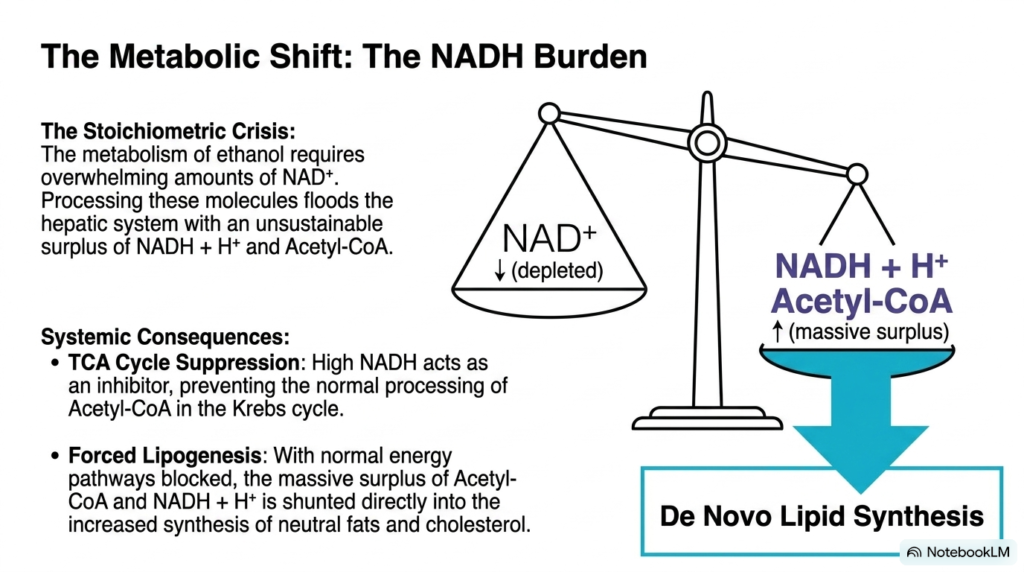
Processing large quantities of alcohol creates a severe stoichiometric crisis that fundamentally alters ethanol metabolism. The continuous oxidation of ethanol and ethanal generates a massive surplus of reduced cofactors while severely depleting oxidized cofactors. This extreme redox imbalance shifts the intracellular environment, flooding hepatocytes with reduced nicotinamide adenine dinucleotide and excess acetyl-coenzyme A that normal oxidative pathways cannot absorb or clear efficiently during heavy consumption.
This stoichiometric disruption causes profound systemic consequences that redefine liver biochemistry during ethanol metabolism. Abundant reduced cofactors act as powerful feedback inhibitors against key tricarboxylic acid cycle enzymes, halting normal energy production from carbohydrates and proteins. With standard oxidation blocked, liver cells are forced to channel excess acetyl-coenzyme A directly into de novo lipid synthesis. Thus, the heavy cofactor burden of ethanol metabolism directly drives abnormal fat production inside hepatic cells.
Furthermore, the elevated NADH ratio inhibits gluconeogenesis and beta-oxidation, predisposing patients to hypoglycemia and fatty acid accumulation. Studying this metabolic shift during ethanol metabolism reveals how cofactor imbalances alter global liver homeostasis. This shift represents the core molecular mechanism driving alcoholic fatty liver disease, metabolic dysfunction, systemic acid-base disturbances, and cellular stress in clinical gastroenterology and metabolic medicine. Understanding this redox failure is crucial for clinical diagnosis.
Slide 10: Central Nervous System Modulation in Ethanol Metabolism
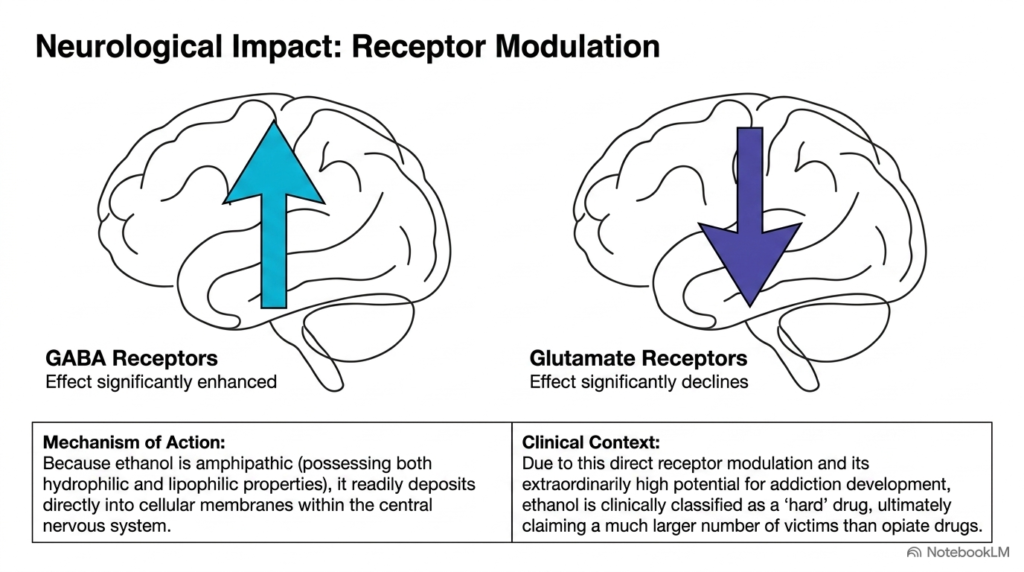
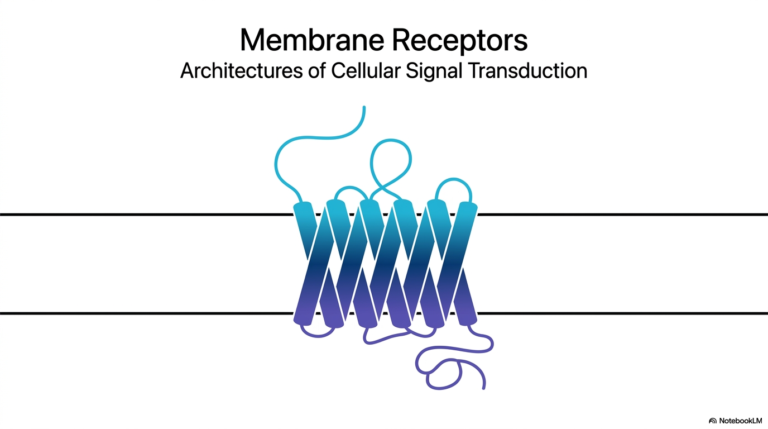
Beyond hepatic degradation, systemic circulation distributes alcohol to the central nervous system, where ethanol metabolism intersects with neurochemistry. Ethanol is amphipathic, with both hydrophilic and lipophilic characteristics that allow it to insert directly into neuronal cell membranes. This membrane deposition disrupts normal lipid bilayer fluidity and directly alters the function of membrane-bound neurotransmitter receptors throughout brain tissue during active ethanol metabolism across various neural pathways.
Electrophysiological studies demonstrate that alcohol exposure significantly enhances inhibitory gamma-aminobutyric acid receptor activity while simultaneously suppressing excitatory glutamate receptor signaling. This dual receptor modulation produces the classic sedative, anxiolytic, and motor-impairing effects associated with alcohol exposure. Because these central nervous system effects drive strong behavioral reinforcement and addiction potential, understanding ethanol metabolism provides crucial context for managing substance dependence, tolerance mechanisms, and acute intoxication.
The dual effect on neurotransmitter receptors creates a profound neurochemical imbalance during systemic ethanol metabolism. Analyzing these membrane interactions helps clinicians evaluate both acute neurological impairment and chronic tolerance mechanisms. Understanding these CNS effects connects systemic metabolism with clinical behavioral outcomes, long-term addiction pathology, and withdrawal hyperexcitability. Master neurochemists recognize this membrane interaction as a primary driver of neural depression, altered synaptic transmission, and addictive behavior in clinical neurology.
Slide 11: Hepatic Steatosis as a Consequence of Ethanol Metabolism
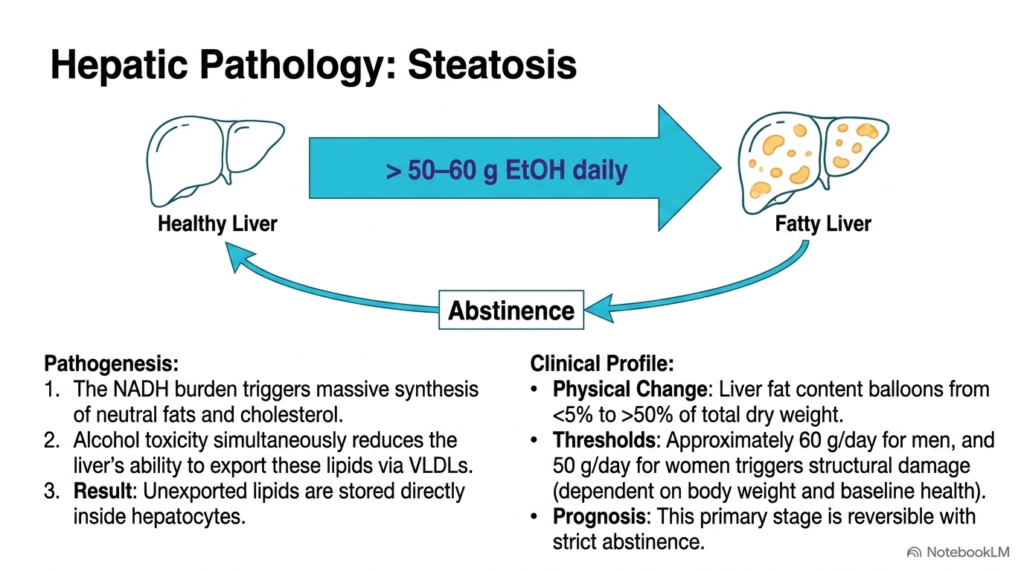
Sustained heavy alcohol ingestion triggers a reversible pathological condition known as hepatic steatosis, or fatty liver disease, directly caused by ethanol metabolism. Daily consumption exceeding fifty to sixty grams of alcohol produces an immense cofactor burden that accelerates neutral lipid and cholesterol synthesis within liver cells. Simultaneously, alcohol-induced cellular toxicity impairs the liver’s capacity to package and export these newly synthesized lipids as very-low-density lipoproteins into circulation during ethanol metabolism.
Unable to export excess fats, hepatocytes store neutral lipids internally, causing liver fat content to balloon from under five percent to over fifty percent of total dry weight. This dramatic morphological change creates structural stress within hepatic tissue, marking the primary stage of alcohol-induced liver pathology. Fortunately, strict abstinence fully reverses steatosis, allowing hepatocytes to clear accumulated fat stores once abnormal ethanol metabolism stops and normal redox balance returns.
Histological examination of steatotic liver tissue reveals large lipid droplets accumulating within hepatocytes, displacing cellular organelles and impairing normal function. Recognizing this early pathological stage during ethanol metabolism emphasizes the clinical importance of early intervention and lifestyle modifications. Steatosis illustrates the direct link between metabolic dysfunction, lipid accumulation, structural organ changes, and reversible organ pathology in clinical hepatology and metabolic care.
Slide 12: Progression to Liver Cirrhosis in Ethanol Metabolism
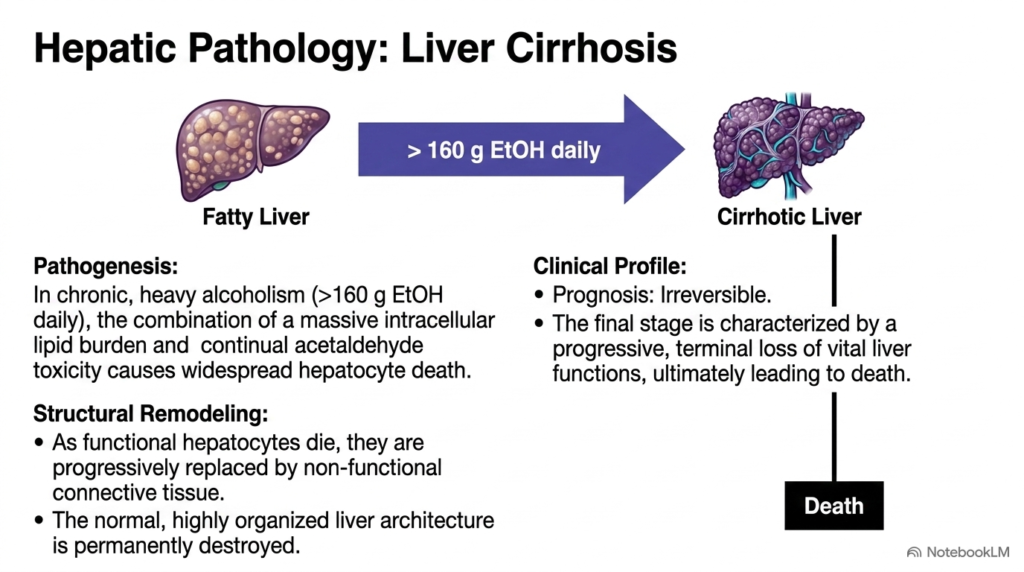
Chronic, severe alcohol intake exceeding one hundred sixty grams daily pushes liver tissue past reversible damage into irreversible cirrhosis during prolonged ethanol metabolism. At this advanced stage, the combination of massive intracellular lipid storage and sustained ethanal toxicity causes widespread death of functional hepatocytes. The relentless destruction of liver cells triggers persistent inflammatory cascades and abnormal tissue repair mechanisms throughout the organ structure during chronic ethanol metabolism across vulnerable patient cohorts.
As functional hepatocytes die, repair processes replace healthy tissue with nonfunctional collagenous connective tissue and scar tissue. This structural remodeling permanently destroys normal hepatic architecture, leading to progressive loss of vital metabolic, synthetic, and detoxifying functions. Ultimately, terminal liver cirrhosis resulting from unmitigated ethanol metabolism leads to hepatic failure and death, underscoring the severe clinical risks of chronic alcohol exposure across patient populations.
The transition from reversible fat accumulation to permanent fibrotic scarring represents a critical turning point in pathology. Understanding this progressive liver damage illustrates why managing ethanol metabolism is vital for preventing end-stage liver organ failure. Medical students must recognize cirrhosis as the terminal structural stage of chronic metabolic overload, highlighting the clinical necessity of early therapeutic management, lifestyle intervention, and organ monitoring in end-stage hepatology and clinical gastroenterology.
Slide 13: Summary of Biochemical Cascades in Ethanol Metabolism
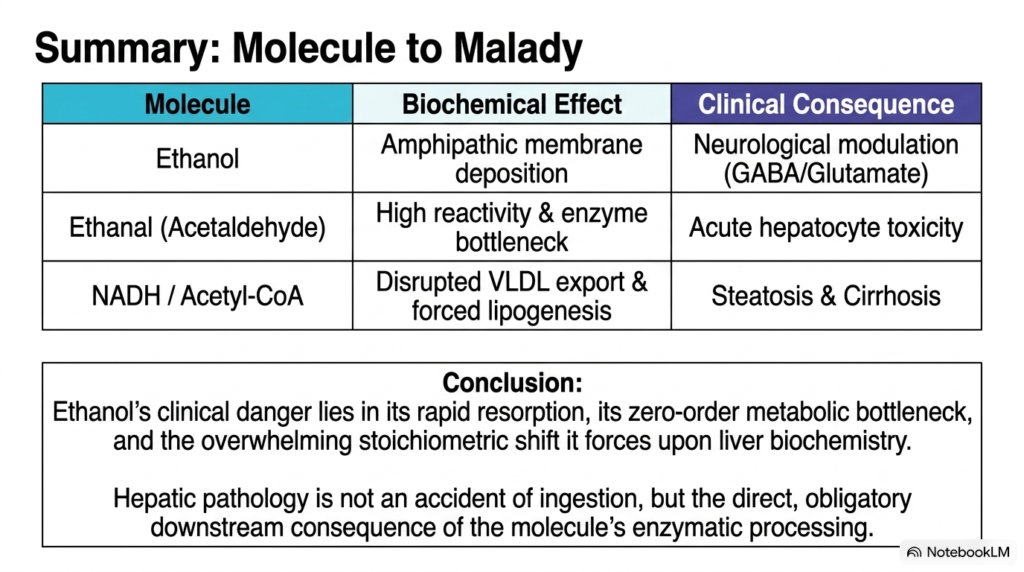
A comprehensive review of the molecular progression illustrates how distinct chemical compounds dictate clinical outcomes during ethanol metabolism. Parent ethanol causes neurological modulation through neuronal membrane deposition and altered neurotransmitter receptor signaling. Its primary metabolite, ethanal, creates an acute enzymatic bottleneck and severe hepatocyte toxicity. Finally, elevated reduced cofactors and acetyl-coenzyme A disrupt lipid export pathways, directly driving steatosis and progressive liver cirrhosis during ethanol metabolism.
The overarching clinical danger of alcohol consumption stems directly from its unique chemical properties and strict physiological constraints during ethanol metabolism. Rapid gut absorption paired with zero-order clearance creates a persistent metabolic bottleneck, while heavy cofactor reduction forces severe hepatic redox shifts. Ultimately, liver disease represents an obligatory downstream consequence of standard enzymatic processing, demonstrating why mastering ethanol metabolism remains essential for clinical medicine and healthcare practice.
By integrating pharmacokinetics, enzymatic mechanisms, and cellular pathology, students gain a complete perspective on alcohol biochemistry. This final summary reinforces how every stage of ethanol metabolism directly connects molecular reactions to systemic organ health. Understanding these integrated pathways allows future healthcare professionals to diagnose, treat, and manage alcohol-related clinical conditions effectively across diverse healthcare settings, clinical environments, and patient care scenarios. Mastering this biochemistry equips clinicians to improve patient outcomes.
Please read our Content Disclaimer Statement.
Check out our social media channels: